Dominion Parts Dominion Parts

7 Tips Why Is My Engine Making Weird Noises?

Time:2026-10-10 Author:Sophia
0%

Why is my engine making weird noises? That question often begins with a faint click, a sharp squeal, or a deep knock under the hood. The sound may appear during a cold start, while accelerating, or when the engine idles at a traffic light. Each pattern provides useful evidence. A brief tick can involve low oil, valve-train wear, or a leaking exhaust manifold. A grinding sound may point toward a failing pulley or bearing. A heavy knock deserves immediate attention.

Consumer Reports’ chief mechanic, John Ibbotson, offers a practical warning: “Don’t ignore a new noise; it can be an early warning.” That advice is easy to remember. It is also easy to neglect. Drivers sometimes turn up the radio and hope the sound disappears. Usually, that only delays a proper diagnosis.

This guide explains seven realistic reasons engines make unusual noises. It also shows what you can safely check before visiting a repair shop. Note when the noise starts. Record whether the engine is cold or warm. Check the oil level on level ground, and look for fresh leaks beneath the vehicle. Do not place your hands near belts or fans while the engine runs. Stop driving if the oil-pressure light, temperature warning, or severe knocking appears. A mechanic may still need testing equipment. Sound alone can mislead even experienced technicians. The first guess is often wrong. A careful inspection protects the engine, your budget, and your safety.
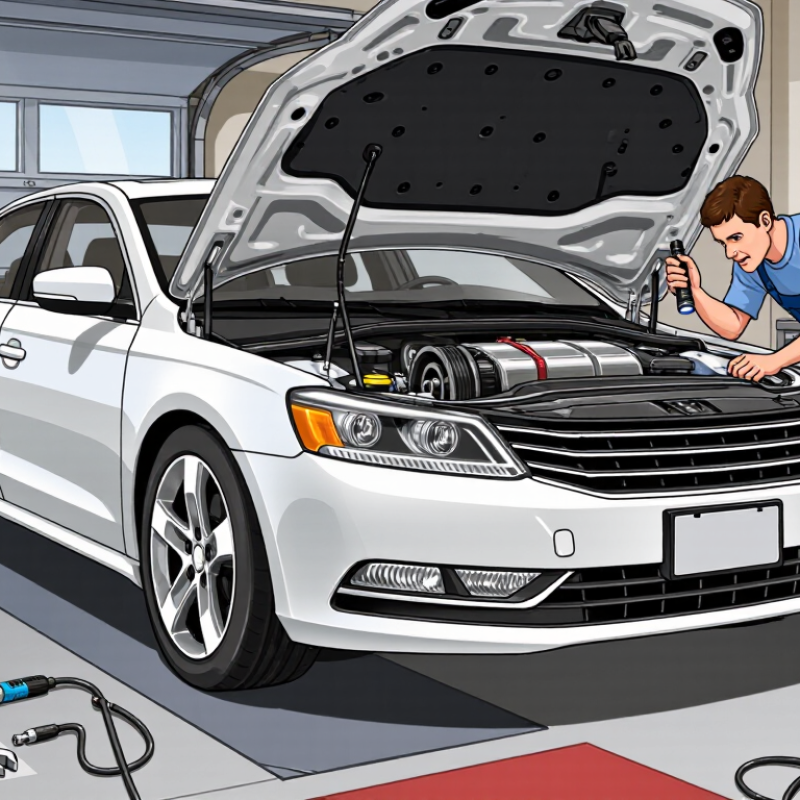
7 Tips Why Is My Engine Making Weird Noises?

Classify the Noise by RPM, Load, and Temperature Using NVH Practice

7 Tips Why Is My Engine Making Weird Noises?

Tip 1: Record the sound at idle, 1,500 rpm, and 2,500 rpm. Note whether its pitch rises with engine speed. Tip 2: Test engine load gently. A deep knock during acceleration differs from a light tick at idle. Never provoke a severe noise. Tip 3: Compare the sound cold and fully warm. Metal clearances, oil flow, and belt tension can change with temperature. I have misjudged a cold rattle before.

Tip 4: Use an NVH approach: noise, vibration, and harshness. Place a mechanic’s stethoscope near the valve cover, timing area, and accessory housing. Keep loose clothing away from rotating parts. Tip 5: Check whether the noise follows rpm or vehicle speed. If it follows road speed, the engine may not be responsible. That distinction saves time. Tip 6: Observe vibrations through the steering wheel, seat, or floor. A pulsing vibration under load may suggest combustion, mounting, or driveline concerns.

Tip 7: Write down temperature, rpm, throttle position, and noise location. Short recordings help a qualified technician reproduce the fault. Do not rely on memory alone. A metallic knock, rising oil warning, or sudden power loss deserves immediate shutdown. Sometimes the “engine noise” is only a loose shield. Sometimes it is not. Avoid replacing parts from sound alone; confirm the pattern with inspection and measured tests.

Check Oil Level and Pressure Against OEM Limits; SAE J300 Sets Viscosity Grades

When an engine makes a strange ticking or rattling sound, check the oil before guessing at expensive faults. Park on level ground, switch off the engine, and wait several minutes. Remove the dipstick, wipe it clean, and measure again. The level should remain between the marked limits. Too little oil can expose moving parts to poor lubrication. Too much oil can also create problems. That detail is often missed.

Oil pressure needs a gauge, not a guess. A qualified technician can connect one at the specified test point and record pressure during cold start, warm idle, and a controlled engine speed. Compare every reading with the vehicle manufacturer’s service limits. Pressure changes with temperature, engine wear, oil temperature, and filter condition. A warning lamp is not a precision gauge. Treat it seriously.

SAE J300 defines viscosity grades, such as 5W-30 or 10W-40; it does not set oil-pressure limits. The first number describes cold-flow performance, while the second describes viscosity at operating temperature. Use the grade required by the service information, not a thicker oil to hide noise. That can delay diagnosis. A brief cold-start tick may differ from a deep knock that follows engine speed. Stop testing if the noise becomes loud, the warning lamp stays on, or metal particles appear in drained oil. I have seen rushed checks produce misleading conclusions, especially when the engine was tested before reaching normal temperature. Recheck the conditions.

7 Tips: Why Is My Engine Making Weird Noises?

Unusual ticking, knocking, tapping, or rattling can be related to low oil level, incorrect viscosity, restricted oil flow, or mechanical wear. Check the oil level and measure oil pressure against the limits specified by the vehicle manufacturer.

How to read the chart: SAE J300 defines high-temperature kinematic-viscosity ranges at 100°C for the listed grades. These viscosity bands are not engine oil-pressure limits. Use the vehicle service manual for the correct oil grade and the minimum and maximum oil-pressure specifications.

Seven Quick Checks

  • Check the oil level on level ground after allowing the engine to sit briefly.
  • Inspect for leaks around the drain plug, filter, sump, and valve cover.
  • Confirm that the oil viscosity matches the required SAE grade.
  • Listen for changes in the noise during cold start, idle, and acceleration.
  • Measure oil pressure with a calibrated mechanical gauge when permitted by the service procedure.
  • Compare the measured pressure with the engine manufacturer’s OEM limits, not a universal number.
  • If the oil-pressure warning light stays on or the engine knocks, stop the engine and arrange a professional inspection.

Read OBD-II Codes: SAE J2012 P0300 Means Random/Multiple Misfire

When an engine makes popping sounds, shakes at idle, or loses power, check the OBD-II system before guessing. SAE J2012 code P0300 means Random/Multiple Cylinder Misfire. The code identifies a combustion problem, not one failed part. A flashing malfunction light needs urgent attention. Pull over safely, because continued misfiring can damage the exhaust system.

Record the freeze-frame data with a scan tool. Note engine speed, temperature, load, and fuel status when P0300 appeared. Then inspect spark plugs, ignition coils, wiring, intake hoses, and visible vacuum leaks. A loose connector can mimic a serious failure. Check fuel pressure and injector operation if ignition tests seem normal. Low compression may point toward internal engine wear. Do not replace every coil blindly.

Listen carefully. A soft stumble differs from a sharp metallic knock. That detail matters. In workshop diagnosis, starting with parts replacement often wastes time and hides the real cause. I once blamed ignition components too quickly; a cracked intake hose was the actual fault. The lesson is imperfect but useful: confirm each test result. Clear the code only after repairs, then perform a road test under similar conditions. If P0300 returns, compare live misfire counts across cylinders and recheck the basics.

Inspect Belts, Pulleys, and Shields at Idle and 1,500 RPM

7 Tips Why Is My Engine Making Weird Noises?

Inspect belts, pulleys, and shields with the engine cold first. Look for cracked ribs, shiny edges, loose threads, or black dust. That dust often points to belt misalignment. A pulley that wobbles is not normal. Do not touch rotating parts. Keep sleeves, hair, and tools away.

Start the engine and listen at idle. A sharp squeal may indicate belt slip. A rough chirp can suggest pulley bearing wear. A metallic rattle may come from a loose heat shield. The U.S. Department of Energy’s Fuel Economy Guide estimates that idling can consume 0.25 to 0.5 gallons of fuel per hour. Keep this test brief. It reduces unnecessary fuel use and heat buildup.

Next, raise engine speed gently to about 1,500 RPM. Have another person operate the controls, if possible. Watch the belt’s tracking and listen for changes. A noise that appears only at 1,500 RPM may involve resonance, tension, or a shield vibration. NIOSH guidance identifies unguarded rotating machinery as an entanglement hazard, so never remove a shield during testing. A mechanic’s stethoscope can help locate a bearing, but a long screwdriver is an imperfect substitute. I have seen sound travel across brackets and mislead an initial diagnosis. Record the noise with a phone, then inspect mounts and fasteners after shutdown. A loose bolt can imitate serious engine damage.

Run Compression and Leak-Down Tests; Compare Cylinders Within 10–15%

7 Tips Why Is My Engine Making Weird Noises?

A ticking, knocking, or uneven rumble can come from several engine problems. Do not guess from sound alone. Record the noise during cold starts, warm idle, and light acceleration. Note its location, rhythm, and temperature changes. That evidence helps a qualified technician choose the correct test.

Tip 1

Run a compression test with the engine warm and the throttle open. Disable fuel and ignition safely according to the service procedure. Record every cylinder, not only the noisy one. Healthy readings should remain relatively close. A difference greater than 10–15% between cylinders deserves further investigation. One cylinder may suggest a valve, piston ring, or head-gasket concern.

Tip 2

Follow with a leak-down test when compression results look uneven. This test shows where pressure escapes. Air at the intake may indicate an intake valve problem. Sound from the exhaust points toward an exhaust valve. Bubbles in the cooling system can suggest a sealing fault. Air heard near the crankcase may indicate worn rings. Listen carefully; the workshop noise can mislead you.

Tip 3

Compare results under the same conditions. Battery speed, oil temperature, gauge accuracy, and testing technique affect readings. I have seen rushed tests create false confidence. Repeat questionable measurements before replacing parts. A compression difference under 10–15% does not prove the engine is perfect, but a larger gap provides a useful diagnostic direction.

FAQS

How can I record an engine noise accurately?

Record it at idle, 1,500 rpm, and 2,500 rpm. Note whether the pitch rises with engine speed. Keep each recording short.

Why should I compare cold and warm engine sounds?

Metal clearances, oil flow, and belt tension can change with temperature. A cold rattle may disappear when fully warm. I once misjudged one.

What does engine load reveal about a noise?

A deep knock during gentle acceleration differs from a light idle tick. Never provoke a severe noise. Stop testing if it worsens.

How can I locate the noise safely?

Listen near the valve cover, timing area, and accessory housing. A mechanic’s stethoscope may help. Keep hair, sleeves, and tools away from rotating parts.

What if the noise follows vehicle speed instead of engine speed?

The engine may not be responsible. Check whether the sound changes with road speed. This distinction can prevent unnecessary engine repairs.

What belt and pulley problems should I inspect?

With the engine cold, check cracked ribs, shiny edges, loose threads, and black dust. A wobbling pulley is abnormal. Do not touch moving parts.

What can a noise at idle or 1,500 rpm indicate?

A sharp squeal may suggest belt slip. A rough chirp can suggest bearing wear. A metallic rattle may come from a loose shield.

When should I stop driving immediately?

Shut down for a metallic knock, rising oil warning, or sudden power loss. Do not rely on sound alone. Confirm the pattern with inspection and measured tests.

Conclusion

Why is my engine making weird noises? Start by classifying the sound according to engine speed, load, and temperature, following basic NVH (noise, vibration, and harshness) practice. Note whether the noise appears during a cold start, acceleration, cruising, or idle. Then check the oil level and, if necessary, measure oil pressure against the vehicle manufacturer’s limits. Confirm that the oil viscosity matches the appropriate SAE J300 grade.

Next, scan for OBD-II fault codes; SAE J2012 code P0300 indicates random or multiple cylinder misfires. With the engine idling and again around 1,500 RPM, inspect belts, pulleys, covers, and heat shields for looseness or contact. If the cause remains unclear, perform compression and leak-down tests. Compare readings between cylinders, looking for differences greater than approximately 10–15%. These steps can help separate lubrication, ignition, mechanical, and accessory-related noises before further diagnosis.

Sophia

Sophia

Sophia is a dedicated marketing professional with an exceptional depth of knowledge about her company's products and services. With a keen understanding of market trends and customer needs, she crafts insightful blog posts that not only inform but also engage readers, enriching the company’s online......