Dominion Parts
When it comes to optimizing engine performance, the choice of rocker arm is crucial. Renowned automotive engineer David Smith once stated, "The right rocker arm can dramatically enhance power and efficiency." This rings true for both performance engines and everyday vehicles. Rocker arms play a key role in transferring motion from the camshaft to the valves, affecting how an engine breathes.
Selecting the best rocker arm type can seem overwhelming. There are steel, aluminum, and even composite options available, each offering unique benefits. Steel rocker arms are durable but can add extra weight. Aluminum rocker arms are lighter but may lack strength under extreme conditions. No one-size-fits-all solution exists, and one must consider specific needs.
Sometimes, we focus too much on peak performance and neglect the balance between longevity and power. It’s essential to reflect on whether the chosen rocker arm supports overall engine health. The right component shouldn't just boost numbers; it should enhance reliability, too. Ultimately, understanding rocker arms leads to better performance decisions.
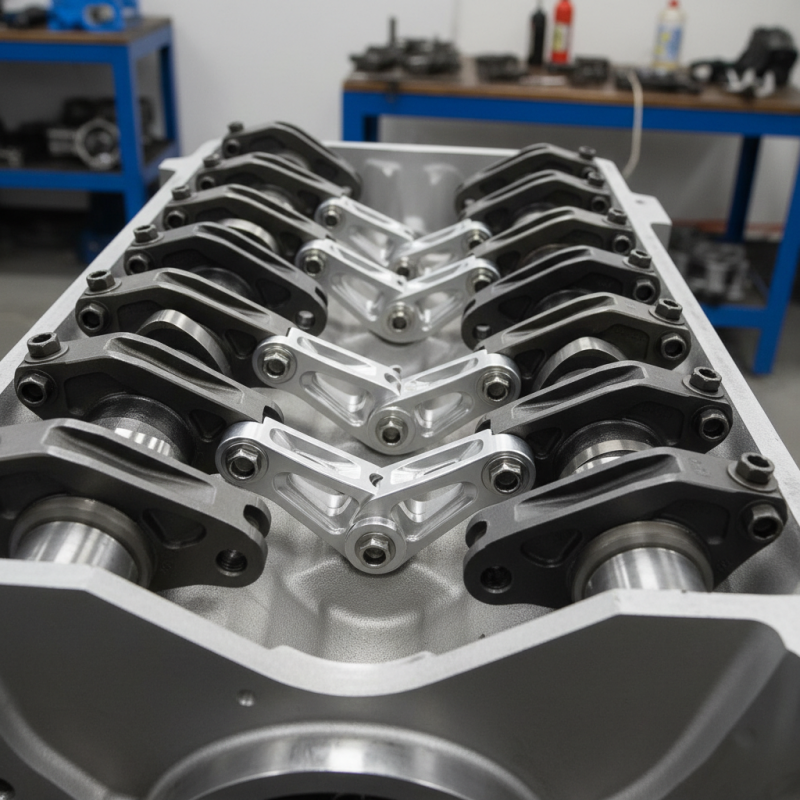
Rocker arms play a crucial role in any engine's performance. They are pivotal in controlling valve operations. The right type can significantly enhance efficiency. Typically, there are two main types: roller rocker arms and stamped rocker arms. Roller rocker arms are designed to reduce friction. This leads to smoother and quieter engine operations.
The stamped type is less expensive, but it might not offer the same efficiency. Reports indicate that roller rocker arms can improve power output by up to 5%. In contrast, stamped rocker arms may contribute to higher wear over time. Many vehicle enthusiasts face a dilemma: prioritize cost or performance. The choice often depends on how the vehicle is used.
Installation matters too. A poorly installed rocker arm can lead to engine misalignment. This can cause undue stress on valves. Some mechanics report that a 10% misalignment can lead to significant engine stress. Engine performance largely depends on the small components like rocker arms. Failing to consider them could lead to suboptimal results.
Choosing the right rocker arm design can greatly enhance engine performance. Different types of rocker arms have unique advantages that cater to various engine setups. Roller rocker arms, for instance, reduce friction, improving efficiency. They can help increase horsepower and torque. Mechanical rocker arms, on the other hand, offer precise valve timing. This design can enhance responsiveness, ideal for performance-driven engines.
Another interesting option is the adjustable rocker arm. These allow for fine-tuning of valve lift and duration. This feature can be especially beneficial for custom engines. However, they require proper adjustments, which might be challenging for some. Additionally, there are concerns about durability in extreme conditions. Choosing the wrong rocker arm might hinder overall performance.
Ultimately, the choice of rocker arm affects the entire engine dynamics. It's vital to reflect on your engine goals. Not all designs are perfect for every situation. Overlooking these aspects could lead to subpar performance. Understanding each design's strengths and limitations is essential for optimal engine function.
| Rocker Arm Type | Advantages | Best Use Case | Performance Impact |
|---|---|---|---|
| Standard Rocker Arms | Cost-effective, reliable performance | Daily driving applications | Moderate |
| Roller Rocker Arms | Reduces friction, improves efficiency | Performance and racing applications | High |
| Adjustable Rocker Arms | Customizable lift ratios | Custom builds and tuning | Very High |
| High-Ratio Rocker Arms | Increases valve lift for more power | High-performance builds | Very High |
| Titanium Rocker Arms | Lightweight, strong, and durable | Racing and high-rev applications | Maximal |
The rocker arm ratio plays a crucial role in engine performance. It determines how much valve lift you have at the cylinder head. A higher rocker arm ratio can lead to increased valve lift, allowing more air and fuel into the engine. This can enhance overall horsepower. However, it’s essential to find the right balance. Too much lift might cause valve float at high RPM, leading to engine damage.
Different engines thrive at different ratios. For racing engines, higher ratios often yield better performance. But street engines typically benefit from more moderate ratios. Sometimes, enthusiasts overlook the downsides. Increased wear and tear on valve components can occur with higher ratios. Engine tuning may also require adjustments to accommodate these changes.
Choosing the appropriate rocker arm type is vital. Fixed geometry rocker arms offer stability. Adjustable ones provide flexibility for tuning. Yet, they can introduce complexity. Not all setups benefit from high ratios. Testing and data collection are essential. Each engine has unique characteristics that necessitate thoughtful consideration. Thus, getting it right may require trial and error.
When selecting rocker arms, several factors come into play for optimal engine performance.
Engine type is crucial. Different engines require various rocker arm configurations for maximum efficiency.
Heavy-duty engines may benefit from higher lift ratios, while smaller engines might perform better with lower ratios.
Material selection also matters. Rocker arms can be made from aluminum, steel, or composite materials. Each has its pros and cons. For example,
lightweight aluminum arms enhance performance but may wear out faster. Steel is durable but adds weight. It's essential to balance weight and strength for the specific application.
Tips: Consider the engine's RPM range. High RPM engines benefit from roller rocker arms, which reduce friction.
Test your current setup and be open to adjustments. Sometimes, a small change can significantly impact performance.
Don’t overlook the importance of a proper installation. Misalignment can lead to premature wear and engine inefficiencies.
Reflect on your choices carefully; performance is often in the details.
Rocker arms play a crucial role in high-performance engines. They transfer motion from the camshaft to the engine valves. Proper maintenance ensures they function optimally. A study by the Society of Automotive Engineers reveals that misadjusted rocker arms can reduce engine efficiency by 10%. Keeping them precise is essential.
Regular inspection is vital. Look for wear and signs of fatigue. Inspect the pivot points closely. Lubrication is key. High-performance engines run hot, increasing wear. Use high-quality oil to minimize friction. The right oil can extend rocker arm life by up to 30%, according to industry experts.
Over-tightening can cause problems too. It may creak and wear down faster. Balancing is important, yet it’s often overlooked. Achieving the ideal clearance is tricky but necessary for optimal performance. Regular checks will help avoid costly repairs down the road. Aim to have a maintenance routine that includes rocker arm evaluation. Ignoring this can lead to serious performance issues.
: Roller rocker arms reduce friction, which improves engine efficiency and can increase horsepower and torque.
They offer precise valve timing, enhancing responsiveness. This is ideal for performance-driven engines.
They allow for fine-tuning of valve lift and duration, beneficial for custom engines. Adjustments can be complex.
The rocker arm ratio influences valve lift at the cylinder head, directly affecting engine air and fuel input.
Too much lift can cause valve float at high RPM, potentially damaging the engine.
Regular inspections for wear and lubrication with high-quality oil are crucial to ensure optimal function.
Over-tightening may lead to quicker wear and potential performance issues; balance is critical.
Misadjusted rocker arms can reduce engine efficiency by up to 10%. Precision is key for optimal functioning.
Increased wear and tear on engine components can occur. Each engine requires careful consideration of its characteristics.
Regular evaluations for wear and adjustments, along with lubrication, can prevent costly repairs in the future.
The article "Best Rocker Arm Types for Optimal Engine Performance" explores various aspects of rocker arms crucial for enhancing engine efficiency. It begins with an overview of different rocker arm types and their functionality, highlighting how each design serves distinct purposes within the engine. The advantages of various rocker arm designs are then discussed, showcasing how they can improve performance, reliability, and responsiveness.
Additionally, the article delves into the impact of rocker arm ratio on overall engine performance, emphasizing that the right ratio can lead to significant gains in power and torque. Criteria for selecting the optimal rocker arm type are outlined, guiding readers in making informed choices based on their engine requirements. Finally, maintenance tips are provided specifically for rocker arms in high-performance engines, ensuring longevity and consistent performance. Overall, the article serves as a comprehensive resource for anyone looking to understand and optimize rocker arm functionality in their engines.
