Dominion Parts
Engine health is a critical aspect of vehicle maintenance that often gets overlooked. Regular checks can prevent costly repairs down the line. According to Dr. John Smith, an automotive engineer with over 20 years of experience, "Monitoring your engine's health is the key to longevity." This principle drives many car enthusiasts and professionals alike to explore the best ways to check engine health regularly.
Understanding how to check engine health regularly not only saves money but also enhances safety. Routine checks can include oil levels, coolant status, and any signs of leaks or unusual noises. These small actions can reveal significant issues before they become serious problems. Many drivers still neglect these tasks; however, they are essential for maintaining a reliable vehicle.
The tools and techniques for checking engine health are widely available. Yet, many people are unaware of their significance. Drivers need to take an active role. Those who do often find their cars running more smoothly and efficiently. A little attention can lead to substantial benefits in vehicle performance and life expectancy.
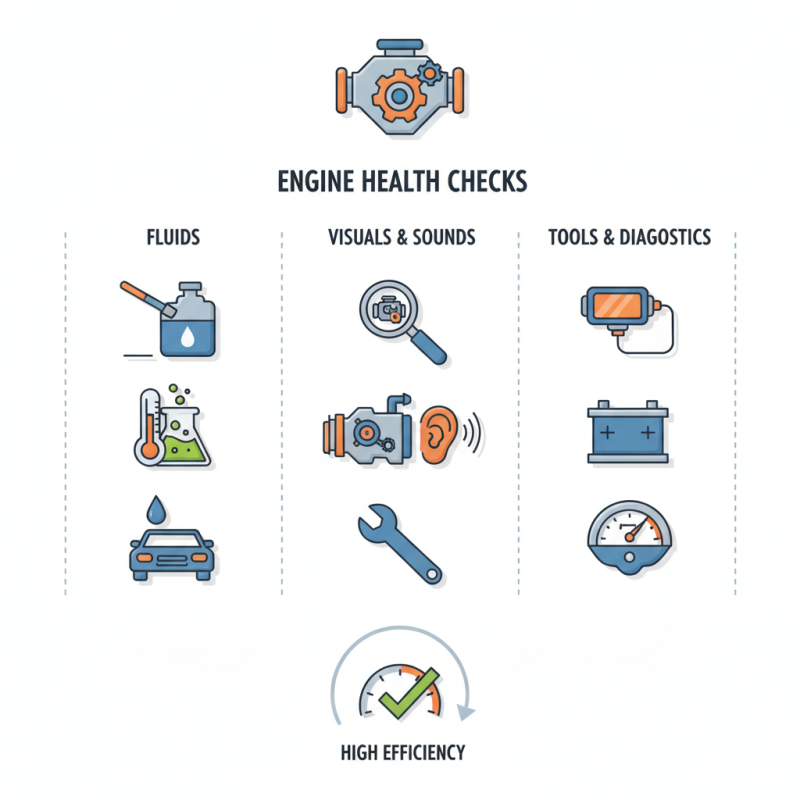
Monitoring engine health is vital for vehicle longevity. Several key indicators provide insights into how well your engine is performing. Start with oil levels; low oil can indicate leaks or excessive consumption. Regularly check the oil color and texture. Dark, gritty oil means it’s time for a change.
Another important aspect is coolant levels. Insufficient coolant can lead to overheating. Check for leaks around hoses or the radiator. Listen for unusual noises, too.
Knocking or ticking sounds may signal serious issues. Vibrations felt during operation could also hint at underlying problems.
Lastly, pay attention to engine warning lights. They serve as an early warning system. Ignoring them can lead to costly repairs. Regularly monitoring these indicators helps maintain your engine's health.
Take notes each time you check; patterns can reveal more about your vehicle's condition. This proactive approach may save you time and money down the road.
Regular visual inspections are crucial for maintaining engine health. Start by checking the engine oil level and its color. Clean oil should be amber. Dark, gritty oil indicates a need for change. Look for any leaks around gaskets and seals. Puddles under the vehicle often signal underlying issues. Address leaks promptly to avoid further damage.
Next, inspect belts and hoses. Cracks or fraying in belts can lead to failure. Hoses showing wear may not withstand pressure. Gently squeeze hoses; they should feel firm, not soft or brittle. Monitor the engine for any unusual noises, such as knocking or grinding. These sounds can indicate mechanical issues that require immediate attention.
Look at the battery terminals, too. Corrosion can hinder performance and should be cleaned. Check air filters regularly. A dirty air filter restricts airflow, affecting efficiency. Pay attention to warning lights on the dashboard. They provide critical information about your engine's health. Regular inspections can prevent bigger problems down the road, making them a valuable routine for any vehicle owner.
| Inspection Item | Description | Recommended Frequency | Signs of Concern |
|---|---|---|---|
| Oil Level | Check the engine oil level using the dipstick. | Monthly | Low oil level, dark color, or unusual smell. |
| Coolant Level | Inspect the coolant reservoir for proper levels. | Monthly | Low coolant level or discoloration. |
| Belts and Hoses | Look for cracks, fraying, or signs of wear. | Every 3 months | Visible damage, leaks, or unusual noises. |
| Battery Condition | Check for corrosion and secure connections. | Monthly | Corrosion, loose cables, or dim lights. |
| Tire Pressure | Ensure tires are inflated to the manufacturer’s specifications. | Bi-weekly | Uneven wear, low pressure warning light. |
Regularly checking your engine health is essential for optimal vehicle performance. One effective way to achieve this is through the use of OBD-II scanners. These diagnostic tools interface with your vehicle's onboard computer to retrieve valuable data. Research indicates that nearly 95% of modern vehicles are OBD-II compliant, making these scanners a convenient choice for most drivers.
When using an OBD-II scanner, it's crucial to understand the feedback provided. Codes represent specific issues, but not all codes point to serious problems. For example, a P0420 code may indicate a catalytic converter issue, but it could also stem from a sensor error. Regularly interpreting these codes can help you identify potential issues early, preventing costly repairs down the line.
**Tips:**
Check the scanner's manual to understand code meanings accurately.
Run diagnostics during service intervals for consistent engine monitoring.
Consider investing time to learn about engine health metrics. Understanding your vehicle can be empowering, though it does require patience and effort. Not all findings may lead to immediate fixes, and learning how to address issues is essential.
Oil quality is fundamental to engine health. Fresh oil lubricates moving parts and reduces friction, enhancing performance. According to the American Petroleum Institute, nearly 75% of engine wear occurs during the first few minutes of operation. Regular oil changes can mitigate this risk. The rule of thumb is every 5,000 to 7,500 miles, yet some engines, especially modern ones, may extend this range. Always check oil levels monthly and look for discoloration, which hints at contamination.
Monitoring oil viscosity is equally crucial. Proper viscosity ensures optimal engine operation. Improper viscosity can lead to inefficient fuel usage and potential overheating. The Society of Automotive Engineers suggests using a multi-viscosity oil, which offers better performance in variable temperatures. However, understanding your local climate and driving conditions is vital. Engines can suffer if oil is too thick or too thin for specific conditions.
Engine oil analysis is an emerging trend. It provides insights into oil condition and engine wear. A study by the Institute of Electrical and Electronics Engineers found that regular analysis can detect issues before they escalate. However, many car owners overlook this step. It can be an extra cost, leading to underutilization. Reflecting on these factors helps car owners make informed choices about their engine's health.
Regular professional inspections are essential for maintaining engine health. These evaluations can identify potential issues before they escalate. A trained mechanic checks fluid levels, belts, and filters during these assessments. They know what to look for, ensuring no detail is overlooked.
Setting a schedule for these inspections is key. Depending on usage, this could be annually or every 12,000 miles. Certain signals, like oil changes or warning lights, might prompt earlier check-ups. However, busy lives often push these appointments aside. Ignoring them can lead to costly repairs down the road.
Engine health is not just about responding to problems. It's about proactive care. Consider the age and condition of your vehicle when planning these inspections. Engaging with trusted professionals builds confidence. Yet, finding the right balance between attention and routine becomes crucial. You don’t want to overlook the signs of wear and tear. Regular inspections ensure you stay connected to your engine's needs.
Regular engine health checks are crucial for maintaining vehicle performance. This chart shows the recommended frequency of various inspection methods to ensure optimal engine functionality.
: Check oil levels monthly to ensure optimal performance and detect contamination early.
Clean oil appears amber; dark or gritty oil signals a need for change.
Look for puddles under the vehicle and inspect gaskets and seals for signs of leaking.
Cracks or fraying can cause failures, while soft hoses may not withstand pressure well.
It interfaces with the vehicle's computer to provide valuable data on engine health.
Research the code meaning; not all codes indicate serious issues.
Change oil every 5,000 to 7,500 miles, depending on your vehicle and usage.
Local climate and driving conditions determine the right viscosity for your engine.
It assesses oil condition and wear but may be overlooked due to costs.
Learning about engine metrics requires patience and effort but can empower you as a driver.
Regularly checking your engine health is essential for maintaining vehicle performance and longevity. To effectively assess engine health, start by understanding key indicators such as warning lights, performance issues, and unusual noises. Regular visual inspections play a crucial role; pay attention to fluid levels, leaks, and signs of wear. Additionally, utilizing diagnostic tools like OBD-II scanners can provide valuable insights into engine status by reading error codes and performance data.
Oil quality and maintenance are vital components of engine health, as clean oil ensures proper lubrication and reduces wear. It's important to regularly check oil levels and change it according to your maintenance schedule. Lastly, don’t underestimate the importance of scheduled professional inspections. These should be conducted at least once a year to catch potential issues early. By following these methods, you’ll learn how to check engine health regularly and ensure your vehicle remains in optimal condition.
