Dominion Parts Dominion Parts

Why Do You Need a Block Heater for Your Vehicle?

Time:2026-03-30 Author:Mason
0%

As winter approaches, vehicle owners must consider the impact of cold temperatures on their engines. A Block Heater is a crucial tool for improving your vehicle's performance during these chilly months. It warms the engine coolant and oil before you start your vehicle, making it easier to ignite and operate.

Moreover, starting a cold engine can lead to wear and tear. A Block Heater reduces this risk, prolonging your engine's life. It also enhances fuel efficiency, decreasing the amount of fuel consumed during startup.

Investing in a Block Heater makes sense for those living in harsh winter climates. It provides peace of mind and reliability when you need it most. Ignoring this simple device could lead to unnecessary repairs and frustrations. Consider the advantages a Block Heater brings; it is an essential tool for winter driving.
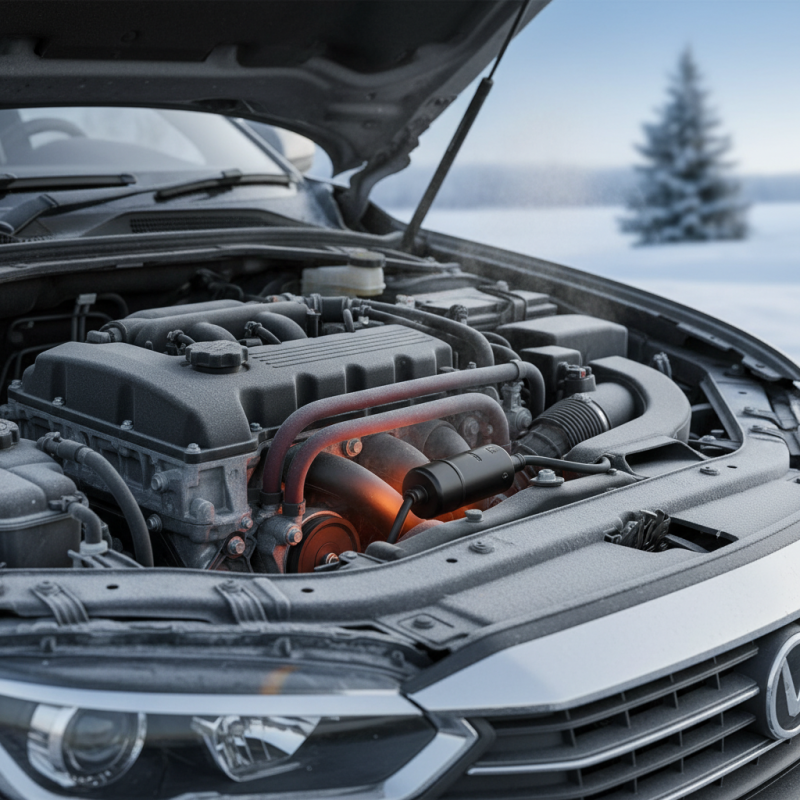
Why Do You Need a Block Heater for Your Vehicle?

Importance of Block Heaters in Cold Weather Conditions

As temperatures plummet, the importance of block heaters cannot be overstated. They play a vital role in maintaining your vehicle’s engine health. During extreme cold, engine oil thickens, making it difficult for your vehicle to start. According to a report from the Canadian Automotive Association, without a block heater, the start difficulty can increase by 30%. This can lead to engine wear and increased fuel consumption.

Installing a block heater provides a consistent warmth. It helps to keep the engine oil viscous and the coolant flowing. The best practice is to plug in your block heater at least two hours before you plan to drive. This simple step can raise the engine temperature significantly. Remarkably, vehicles equipped with block heaters have been shown to reduce engine wear by up to 60% in frigid temperatures.

Tips: Always check the power supply before winter. Ensure your block heater is functioning correctly. It’s also essential to clean the connectors regularly. Keep an eye out for wear and tear on the electrical cord. Regular maintenance helps prevent costly repairs and keeps your engine operating efficiently.

How Block Heaters Function and Their Mechanism

Block heaters are essential for vehicles in cold climates. They work by warming the engine components before starting. This reduces engine wear, improving reliability.

A block heater typically uses electricity, heating the engine coolant. This, in turn, keeps oil from thickening in low temperatures. As a result, the engine starts more easily. Starting a cold engine can strain components, leading to potential damage.

Installing a block heater can save time and money in the long run. It may seem like an extra step, but it's crucial for longevity. Ignoring this need could lead to breakdowns. Regular maintenance and proper usage of block heaters ensure optimal vehicle performance.

Why Do You Need a Block Heater for Your Vehicle? - How Block Heaters Function and Their Mechanism

Feature Description Benefits
Heating Element An electric heater that warms the engine block. Prevents engine oil from thickening and ensures smoother starts.
Installation Typically installed in the engine block, requires professional installation. Ensures proper function and avoids damage to the vehicle's electrical system.
Power Consumption Uses about 400-1000 watts depending on the model. Cost-effective compared to engine repairs due to starting issues.
Temperature Range Effective in extreme cold weather conditions, usually below -10°F (-23°C). Reduces the risk of engine damage in frigid temperatures.
Timer Feature Allows the heater to be set on a timer for automatic heating. Convenient and ensures optimal engine temperature before starting.

Benefits of Using a Block Heater for Vehicle Performance

Block heaters play a crucial role in enhancing vehicle performance, especially in cold climates. Research indicates that engines can lose up to 50% of their efficiency in freezing temperatures. A block heater warms the engine coolant, ensuring that the oil remains fluid and the engine can start easily. This is vital during frigid winter months when temperatures drop below freezing.

Using a block heater can significantly improve fuel economy. According to industry studies, vehicles left unheated in cold weather can consume 20% more fuel. A warmed engine runs efficiently, reducing fuel consumption and emissions. Moreover, starting a warmed engine reduces wear on engine components, prolonging overall life.

There are also safety benefits. Cold engines are less responsive, and maintaining optimal functionality can prevent breakdowns. However, one must consider proper installation and timing; improper use may lead to electrical issues or inefficient heating. Investing in a block heater can yield cost savings in the long run, but it requires thoughtful consideration of vehicle needs and local climate.

Choosing the Right Block Heater for Your Vehicle

When selecting a block heater for your vehicle, consider several key factors. The heater’s wattage is crucial. Higher wattage generally means faster heating. However, a more powerful heater may draw more electricity. Ensure your vehicle’s electrical system can handle the load.


Tip: Check your vehicle’s manual for the recommended block heater specifications. Using a heater that fits your engine and climate is crucial for optimal function.


The heater must fit your vehicle’s engine block design. Different engines require specific shapes and connections. Improper installation can lead to inefficiencies. This may not only affect performance but could also damage internal components over time.


Tip: If unsure, consult a professional to avoid costly mistakes. They can help ensure you pick a compatible heater that meets all your needs.


Lastly, consider the climate where you live. In extremely cold areas, a block heater is essential for reliable starts. Research local weather patterns to inform your choice. A minimal investment now can save you headaches later.

Installation and Maintenance Tips for Block Heaters

Installing a block heater can significantly improve your vehicle's performance in cold weather. According to a study by the U.S. Department of Energy, a block heater can reduce engine wear and increase fuel efficiency by up to 10%. Proper installation is crucial for maximizing benefits. Ensure that the heater is correctly positioned within the engine block to achieve effective heating.

Routine maintenance is also essential. Check the power cord regularly for fraying or damage. Ensure the heater is functioning by testing it with a multimeter. Regular inspections can prevent larger issues and maintain your vehicle's efficiency. Avoid using the heater longer than necessary, as excessive use may decrease its lifespan.

Here are some helpful tips: Always park your vehicle in a garage or sheltered area when using a block heater. This protects it from extreme external temperatures. Additionally, consider using a timer to control heating duration. Overheating can lead to issues. Listening to your vehicle's performance and monitoring fuel consumption can serve as indicators for potential problems.

Why Do You Need a Block Heater for Your Vehicle?

Block heaters are essential for maintaining your vehicle's performance in cold weather. The following chart illustrates the average decrease in engine start-up times and fuel efficiency with varying outdoor temperatures.

FAQS

: What is the purpose of a block heater?

: A block heater maintains engine health in cold weather by keeping oil viscous. It prevents starting difficulties.

How does cold weather affect engine performance?

In extreme cold, engine oil thickens. This can decrease engine efficiency by up to 50%, affecting start-up.

When is the best time to use a block heater?

Plug in the block heater at least two hours before driving. This warms the engine significantly.

How can a block heater save fuel?

A warmed engine uses less fuel. Unheated vehicles can consume 20% more fuel in cold conditions.

What maintenance is required for block heaters?

Regularly check the power supply and clean connectors. Look for wear on the electrical cord to avoid issues.

Are there safety benefits to using a block heater?

Yes, they prevent breakdowns. Cold engines are less responsive; a warmed engine functions better and is safer.

Can improper use of a block heater cause problems?

Yes, incorrect installation might lead to electrical issues. Efficient heating requires proper use and timing.

How much can block heaters reduce engine wear?

They can reduce engine wear by up to 60% in freezing temperatures, extending engine life significantly.

Is it important to consider local climate when using block heaters?

Absolutely, local climate affects vehicle needs. Understanding this helps decide whether a block heater is worth it.

What happens if you ignore block heater maintenance?

Neglecting maintenance can lead to costly repairs. A malfunctioning block heater reduces efficiency and longevity of the engine.

Conclusion

A Block Heater is an essential tool for vehicle owners living in cold weather conditions. These heaters work by warming the engine, ensuring that the oil remains fluid and the components are lubricated, which enhances the overall performance and reliability of the vehicle in frigid temperatures. The benefits of using a Block Heater extend beyond simple starting; they can improve fuel efficiency, reduce engine wear, and provide a more comfortable driving experience.

Choosing the right Block Heater involves considering the make and model of your vehicle, as well as the climate in which you live. Proper installation and regular maintenance are also crucial for optimal performance; ensuring that the Block Heater operates effectively can prevent unnecessary strain on the engine during harsh winter months. By investing in a quality Block Heater, vehicle owners can significantly improve their vehicle's performance and longevity during cold weather.

Mason

Mason

Mason is a seasoned marketing professional with a deep expertise in the company's offerings and a passion for driving brand awareness. With a strong background in digital marketing strategies, he has an innate ability to connect with diverse audiences and effectively communicate product benefits.......