 Dominion Parts
Dominion Parts
Dominion Parts
Engine parts play a crucial role in vehicle performance and longevity. However, many drivers and mechanics often ask, "Why do engine parts break early?" Understanding the underlying causes is essential for preventing premature failures and costly repairs. Factors such as poor manufacturing quality, inadequate maintenance, and improper installation can contribute to the early breakdown of engine components.
Inexperienced technicians may overlook vital details during assembly or repairs. This negligence can lead to significant issues down the line. Furthermore, environmental conditions and driving habits also affect engine longevity. For example, frequent short trips can prevent engines from reaching optimal operating temperatures, increasing wear and tear.
Addressing these concerns requires a proactive approach. Regular maintenance checks and quality parts are critical. Learning about the specific vulnerabilities of engine parts can empower vehicle owners. By improving awareness of these issues, drivers can enhance the lifespan of their engines, reducing future frustrations.
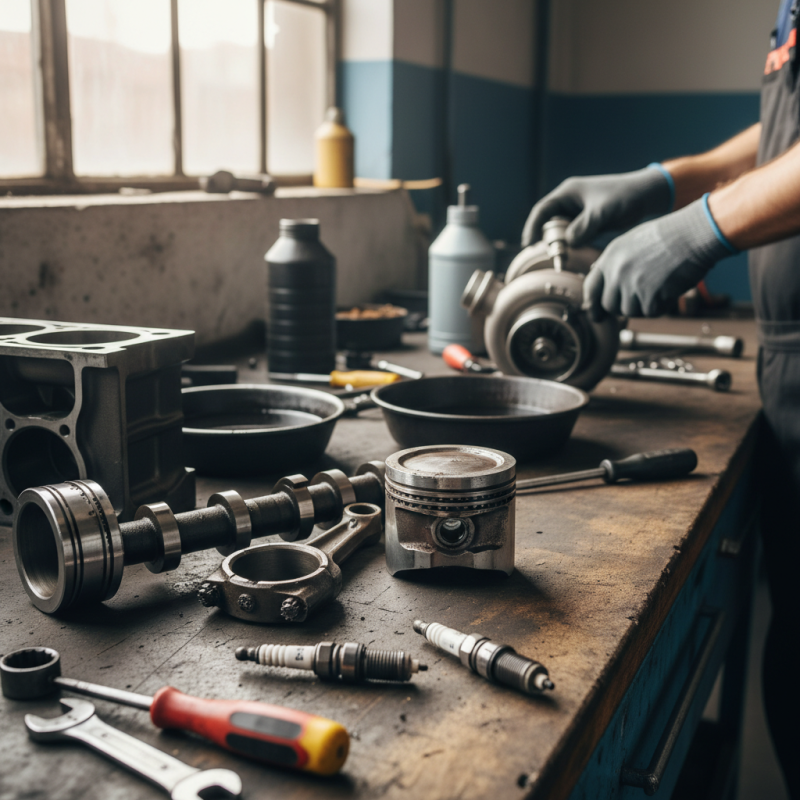
Engine parts can fail prematurely for several reasons. One common cause is inadequate lubrication. Oil shortages can lead to friction. This friction causes excessive heat, damaging parts like pistons and bearings. Poor maintenance routines can exacerbate this issue. Neglecting regular oil changes can shorten the life of critical components.
Another factor is material failure. Some engine parts may be made from low-quality materials. These materials can be susceptible to cracking or warping. Overheating often results from these issues. It stresses the engine beyond its limits. Furthermore, improper assembly during the manufacturing process can lead to alignment issues. Such misalignments can cause increased wear on various components. It's crucial for technicians to ensure that parts fit together correctly.
Additionally, operating conditions play a significant role. Driving habits can contribute to engine wear. Frequent short trips may not allow the engine to reach optimal temperatures. Continuous stop-and-go driving can also strain the engine. These factors are often overlooked but are important to consider. Engaging in responsible driving practices can extend the life of engine parts. Reflecting on these elements can help prevent premature failures.
| Cause | Description | Potential Solutions |
|---|---|---|
| Poor Lubrication | Inadequate oil supply can lead to excessive wear and tear on engine parts. | Regularly check oil levels, change oil as recommended, and use quality oil filters. |
| Overheating | High engine temperatures can cause parts to warp and fail prematurely. | Ensure proper coolant levels, service the cooling system, and monitor temperature gauges. |
| Manufacturing Defects | Flaws in engine parts may lead to premature failure under normal operating conditions. | Use reputable manufacturers and review warranty options. |
| Improper Installation | Incorrectly installed parts can lead to misalignment and early failure. | Follow manufacturer installation guidelines and consider professional installation. |
| Contaminated Fuel | Impurities in fuel can cause deposits and clogging in engine components. | Use high-quality fuel and install fuel filters to trap contaminants. |
: Early failure can occur due to inadequate lubrication. Oil shortages increase friction. This leads to excessive heat and damage.
Low-quality materials can crack or warp. This can cause overheating and stress on the engine.
Improper assembly leads to alignment issues. Misalignments can increase wear on components over time.
Frequent short trips don't allow the engine to warm up. Stop-and-go driving adds unnecessary strain on the engine.
Heat, moisture, and chemicals cause wear. Overheating leads to warped components. Moisture results in rust and corrosion.
Cold weather thickens oil, complicating starts. Heat causes parts to expand and contract, risking cracks.
Regularly inspect for corrosion. Keep the engine clean and dry. Consider using protective coatings for added security.
Engage in responsible driving. Regular oil changes are essential. Reflecting on habits can help prevent failures.
Early failure of engine parts can be attributed to several factors, raising the question, "Why do engine parts break early?" One primary reason is the impact of poor maintenance, which can significantly shorten the lifespan of engine components. Regular inspections and timely repairs are crucial in preventing issues that arise from neglect.
Additionally, material fatigue plays a critical role in the deterioration of engine parts. Over time, components may experience stress and strain that lead to failure, exacerbated by environmental factors such as extreme temperatures, moisture, and contaminants. To combat these issues, adopting preventive measures—including proper lubrication, regular servicing, and environmental protections—can greatly extend the life of engine parts and enhance overall engine performance.
