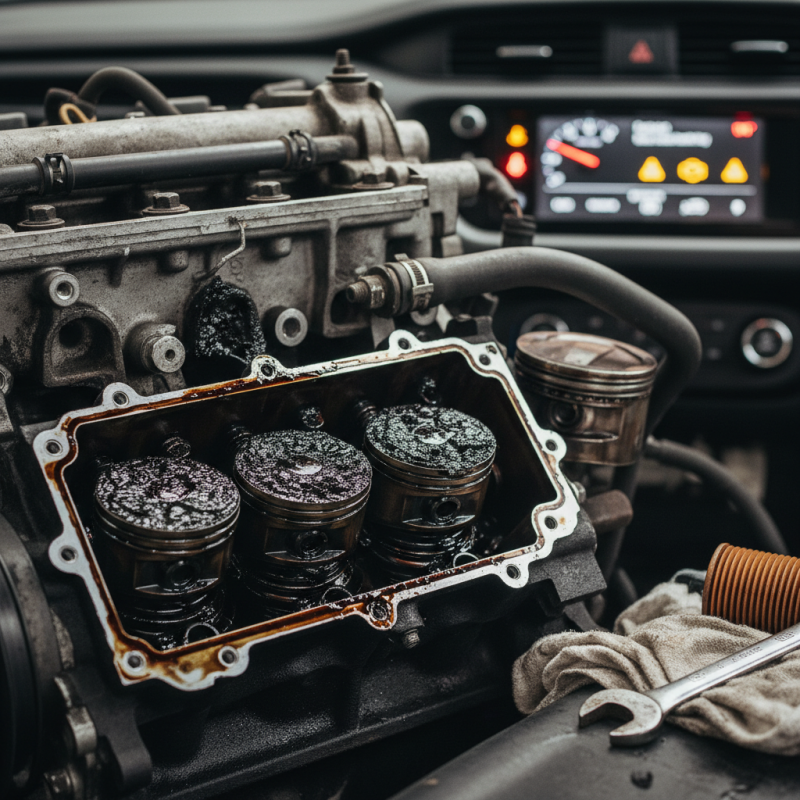
Engine problems in vehicles can arise from various factors. Understanding what causes engine problems in vehicles is crucial for maintenance. Many owners overlook the signs.
Poor maintenance is a common culprit. Skipping oil changes can lead to sludge buildup. Over time, this can harm engine performance. Using low-quality fuel might also cause issues. It can create carbon deposits that affect efficiency.
Temperature fluctuations can hurt engines too. Engines work best within a certain range. Too hot or too cold can stress components. Many drivers ignore warning lights on dashboards. This negligence can lead to severe damage. It’s important to pay attention to these signs to avoid bigger problems down the road.
Common Causes of Engine Problems in Vehicles
Engine problems in vehicles can stem from various common issues. One frequent cause is inadequate lubrication. When oil levels drop, engine parts don’t receive proper protection. This can lead to increased friction and eventual wear. Regular oil checks can prevent severe damage.
Another common issue involves
overheating. If the cooling system fails, the engine temperature rises dangerously. This can warp engine components or even cause a complete breakdown. Drivers should monitor temperature gauges closely.
Ignoring warning lights can lead to costly repairs.
Fuel system problems can also affect engine performance. Clogged fuel filters or failing fuel pumps can disrupt the fuel supply. This results in sluggish acceleration or difficulty starting. Regular maintenance helps, but sometimes these issues sneak up unexpectedly.
Awareness is key to preventing major engine troubles.
Symptoms of Engine Issues and How to Identify Them
Engine issues in vehicles can manifest in various ways. Drivers should stay aware of
unusual sounds,
vibrations, or
warning lights. According to the
Automotive Repair Association, over 30%
of vehicle owners ignore early warning signs. These signs can lead to significant damage. For example,
a check engine light can indicate anything from a
loose gas cap to severe engine failure. Ignoring this can cost thousands in repairs.
Common symptoms include
poor acceleration and
stalling. Cars may also experience
overheating or excessive exhaust smoke. A study
by the Engine Builders Association found that 10% of engines
suffer from overheating issues. This can often be traced back to cooling system failures or
low coolant levels. Delaying action exacerbates the problem, which can lead to
total engine failure.
Paying attention to engine noises is crucial. Knocking sounds often suggest internal damage.
Additionally, difficulty starting may hint at battery or fuel system problems. Data indicates
that routine maintenance can prevent engine failures 75%
of the time. Yet, many drivers neglect this. Ignoring these signs doesn’t just risk
breakdowns; it can also compromise safety on the road.
Impact of Regular Maintenance on Engine Health
Regular maintenance is crucial for engine health. Studies show that routine oil changes can help prolong engine life. Research indicates that vehicles with frequent oil changes can have up to a 20% longer lifespan. Ignoring oil changes leads to sludge buildup. This can cause serious engine problems. Drivers often overlook this vital service.
Additionally, regular checks for fluid levels can prevent overheating. Engines that run hot can suffer from severe damage. A report indicated that 30% of engine failures are linked to cooling system issues. Paying attention to coolant levels is essential. It’s a simple task that can save significant repair costs. Neglecting it can lead to costly consequences.
Furthermore, checking the air filter is often ignored. A clogged filter can reduce efficiency significantly. Experts suggest changing it every 12,000 miles. This small act can greatly enhance engine performance. Yet, many drivers underestimate its impact. Engine problems often stem from these overlooked maintenance tasks. Regular checks can catch problems early and save money in the long run.
Environmental Factors that Affect Engine Performance
Environmental factors significantly impact engine performance. Extreme temperatures, both hot and cold, can lead to engine stress. Cold weather can thicken oil, making it harder for the engine to operate smoothly. In contrast, high temperatures can cause overheating and potential damage.
Air quality also plays a role. Dust, pollution, and other particles can clog air filters. This restricts airflow, leading to poor combustion. Reduced fuel efficiency and increased wear can occur when an engine struggles to breathe.
Tip: Regularly check air filters and replace them if dirty. It can improve engine performance and fuel efficiency.
Consider the conditions you drive in regularly. If you frequently travel on dirt roads, maintain your vehicle more often. Dust and debris can build up quickly in such environments.
Another important factor is humidity. High humidity can impact fuel combustion efficiency. This may affect acceleration and power. Monitoring weather conditions can help in adjusting driving styles.
Tip: Adjust driving habits based on the weather. Slow down during heavy rain or fog to reduce stress on the engine.
Understanding these environmental factors is crucial for keeping your engine healthy. Recognizing their effects can help you make better maintenance decisions.
Understanding Engine Components and Their Role in Functionality
Engine problems can be frustrating for any vehicle owner. Understanding engine components is essential to diagnose issues effectively. The engine relies on several parts that work together. Each component plays a crucial role in functionality. For example, spark plugs ignite fuel, while the fuel injectors deliver the required amount of fuel.
Regular maintenance is vital to keep these components functioning well. Here are some tips:
- Check your oil regularly. Low oil levels can lead to serious damage.
- Ensure your air filter is clean. A clogged filter can decrease efficiency.
Overheating is a common issue caused by a malfunctioning cooling system. The radiator is key here, as it regulates temperature. If the coolant is low, your engine can overheat. Be aware of
strange noises; they can signal problems. Ignoring them could lead to costly repairs. Keeping a close watch on these elements helps prolong your vehicle's life.
Conclusion
Engine problems in vehicles can arise from a variety of factors that significantly impact performance and longevity. Common causes include issues such as oil leaks, overheating, and fuel problems, which can lead to more serious complications if not addressed promptly. Symptoms of these engine issues can manifest as unusual noises, reduced power, or warning lights on the dashboard, making it essential for vehicle owners to identify them early.
Regular maintenance plays a crucial role in preventing engine problems and ensuring optimal functionality, as timely oil changes and filter replacements can mitigate wear and tear. Additionally, environmental factors like extreme temperatures and poor air quality can also affect engine performance. Understanding the various components of an engine and their roles helps in pinpointing potential issues and underscores the importance of proactive care. Ultimately, recognizing "what causes engine problems in vehicles" enables better management and extends the lifespan of the engine.
 Dominion Parts