Dominion Parts
Choosing clean oil for your engine is crucial. Clean oil plays a vital role in enhancing engine performance. According to the American Petroleum Institute, nearly 75% of engine wear happens during startup. This highlights why clean oil is good for the engine. Contaminants in dirty oil can damage critical engine components.
Engine oil serves multiple purposes, including lubrication, cooling, and cleaning. When oil is contaminated, it loses these essential functions. A study from the National Renewable Energy Laboratory revealed that using clean oil can improve fuel efficiency by 2% to 5%. This may seem small, but it adds up over time, especially for high-mileage vehicles.
Engine health is an investment. Using the right oil minimizes risks. Neglecting oil quality can lead to costly repairs. Regular oil changes and monitoring oil cleanliness are not merely recommendations; they are necessary. The benefits of clean oil are clear. A little reflection on your oil maintenance habits can go a long way for your engine's longevity.
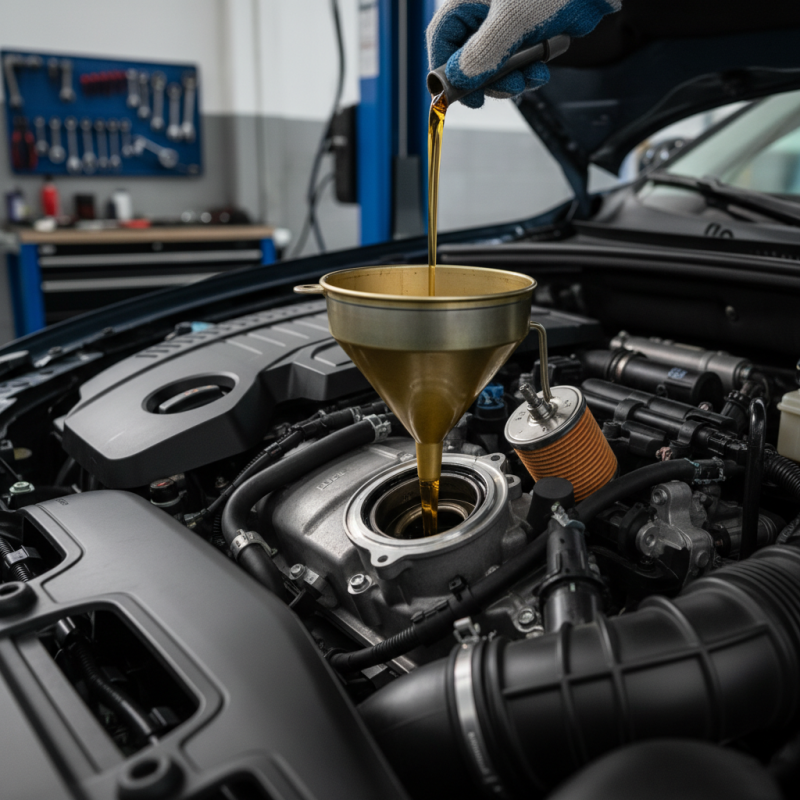
Choosing the right engine oil can be tricky. Engine oils come in various types, each serving unique functions. Understanding these types is essential for maintaining engine health. There are conventional, synthetic, and blended oils available. Each type has distinct characteristics affecting performance.
Oil specifications are equally important. They define oil viscosity, performance requirements, and suitability for different engines. Viscosity indicates how easily oil flows. Lower viscosity oils perform better in colder temperatures. Meanwhile, high-viscosity oils protect at higher temperatures. Always check manufacturer recommendations. This approach ensures that the engine remains efficient.
Many people overlook the significance of oil change intervals. Using the wrong oil type or waiting too long can lead to engine wear. Monitoring oil levels and condition regularly is crucial. It’s common for some drivers to underestimate this aspect. Remember, a well-chosen oil can extend engine life significantly. The differences can impact efficiency. Choosing wisely pays off over time.
Clean oil is vital for optimal engine performance. Contaminated oil can lead to increased friction, resulting in engine wear and tear. According to a study conducted by the Society of Automotive Engineers, about 80% of engine failures are linked to improper lubrication and dirty oil. When engine parts aren't properly lubricated, they can overheat or even seize up.
Using clean oil helps improve fuel efficiency. A clear relationship exists between oil cleanliness and fuel economy. Research shows that clean oil can enhance fuel efficiency by as much as 5% to 10%. This percentage might seem small, but in the long run, it translates to significant savings. Moreover, clean oil ensures proper engine cooling. With adequate lubrication, the engine maintains optimal operating temperatures, which is critical for performance.
Neglecting oil changes can result in sludge build-up. Sludge can obstruct oil passages, leading to reduced oil flow. In many cases, drivers overlook the condition of their oil, assuming that it is fine until problems arise. This neglect highlights the need for regular oil inspections. Checking oil levels and quality every three months can prevent costly repairs down the line. A small action can have a big impact on engine health.
| Oil Type | Viscosity | Additives | Benefits |
|---|---|---|---|
| Synthetic Oil | 0W-20 | Detergents, Antioxidants | Higher protection, better performance at extreme temperatures |
| Conventional Oil | 5W-30 | Basic Additives | Cost-effective, suitable for lower mileage vehicles |
| High Mileage Oil | 10W-30 | Seal Conditioners, Extra Additives | Reduces oil consumption, prolongs engine life in older vehicles |
| Racing Oil | 10W-40 | High Performance Additives | Enhanced performance, superior protection under high stress |
Choosing the right engine oil significantly impacts your vehicle's performance. Several key factors determine the best fit for your engine. Viscosity is paramount. It describes how easily oil flows under various temperatures. An SAE rating guides this choice. For extreme conditions, a multi-viscosity oil is beneficial. Industry data suggests that using the wrong viscosity can lead to engine wear and potential failure.
Another critical factor is the oil type. Synthetic oils often provide better performance in extreme temperatures compared to conventional oils. They can offer higher lubricity and better cleanliness in engines. According to a study by the American Petroleum Institute, synthetic oils can last 25% longer than traditional options. This longevity can save money in the long run.
Tip: Always follow the manufacturer's recommendations for oil specifications. Regularly check oil levels and quality, especially under heavy usage. This simple step can enhance engine life and performance. Remember, not all oils are created equal. Selecting the right engine oil can be a challenge but yields significant benefits.
Choosing high-quality clean oil for your engine has significant benefits. Clean oil enhances engine performance and longevity. It helps reduce friction, leading to smoother operations. Additionally, it protects against wear and tear. High-quality oil also fights oxidation and sludge buildup, promoting better engine health.
When selecting oil, check the specifications. Look for the viscosity grade and API certification. These ensure compatibility with your engine. A well-informed choice can improve fuel efficiency. Remember, using the right oil reduces the risk of costly repairs.
Consider changing your engine oil regularly. Neglecting this can lead to contamination. Monitor your oil level and quality frequently. Regular checks can prevent engine issues. Relying on clean oil is a proactive way to maintain your vehicle. Aim for professional advice if uncertain about your options.
Engine maintenance is crucial for long-term health. Regular oil changes can significantly enhance performance. The American Automobile Association recommends changing engine oil every 3,000 to 5,000 miles or as per the vehicle's owner's manual. Clean oil helps lubricate engine parts, reducing friction and heat. It also traps dirt and impurities, preventing engine wear.
Monitoring oil quality is essential. A study by the Society of Automotive Engineers indicates that 70% of engine wear occurs during the first 20 minutes of operation. Choosing the right oil can mitigate this risk. Look for oils that meet API (American Petroleum Institute) standards for reduced sludge and oxidation. Regularly checking oil levels and condition can indicate if you need a change sooner than recommended.
Some drivers overlook the importance of scheduled maintenance. Neglecting oil changes can lead to poor engine performance and costly repairs. While it may be tempting to skip, staying proactive will ensure a healthier engine. Investing time in maintenance saves money in the long run. Regular attention to your engine’s oil can extend its lifespan and enhance efficiency.
: Clean oil ensures optimal performance and reduces engine wear caused by increased friction.
Clean oil can improve fuel efficiency by 5% to 10%, leading to significant savings over time.
Neglecting oil changes can result in sludge build-up, obstructing oil flow and causing engine problems.
Inspect oil levels and quality every three months to prevent issues and ensure good engine health.
Change engine oil every 3,000 to 5,000 miles, or follow the vehicle’s owner's manual guidelines.
Yes, using oil that doesn’t meet industry standards can increase wear and lead to engine damage.
Many underestimate the importance of scheduled maintenance, risking poor performance and costly repairs.
Regularly check oil quality and level—doing so can indicate when it’s time for a change.
Regular maintenance extends engine lifespan and enhances efficiency, ultimately saving you money.
Many assume their oil is fine without checking, which can lead to severe engine issues.
Choosing the right engine oil is critical for ensuring optimal performance and longevity of your vehicle. Understanding the various types and specifications of engine oil is essential, as clean oil plays a vital role in engine efficiency. Why is clean oil good for the engine? Clean oil effectively lubricates moving parts, reduces friction, and helps maintain a clean engine by preventing sludge buildup.
When selecting engine oil, consider key factors such as viscosity, performance ratings, and compatibility with your engine type. Using high-quality clean oil not only enhances engine performance but also contributes to better fuel economy and reduces harmful emissions. Regular maintenance, including timely oil changes, is crucial for preserving engine health and ensuring your vehicle operates smoothly over time.
