Dominion Parts
Cold starts are a common issue faced by many vehicle owners. But why is cold start bad for engine performance? During a cold start, the engine operates at lower temperatures, which can lead to inefficient combustion. This inefficiency can result in increased fuel consumption and higher emissions.
Moreover, oil viscosity is higher when the engine is cold. This means that oil takes longer to circulate, leaving vital components unprotected. Consequently, this can lead to increased wear and tear. Drivers often overlook these factors, thinking their engine will warm itself quickly. However, prolonged cold starts can exacerbate underlying problems.
Inexperienced drivers may dismiss the significance of proper warm-up times. They might not realize that a cold start can be damaging in the long run. Understanding the adverse effects can encourage better habits. Taking the time to allow the engine to warm up can make a significant difference in its longevity and performance.
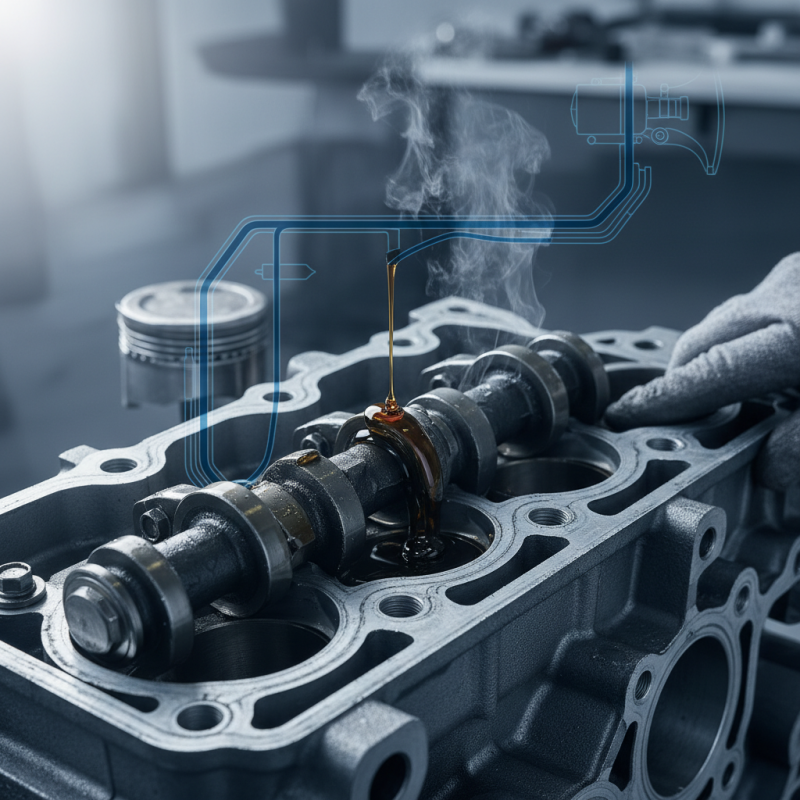
Cold start phenomena significantly impact engine performance. This occurs when engines are started from a low-temperature state, typically after long downtime. Engine oil thickens, leading to increased friction and wear during the crucial initial minutes of operation. According to research from the Society of Automotive Engineers, cold starts can result in up to 90% more wear than when the engine is at optimal temperature.
During a cold start, fuel combustion efficiency declines. Unburned fuel contributes to harmful emissions and reduced power output. A study by the Environmental Protection Agency highlights that cold starts can account for 30% of total cold-weather vehicle emissions. Maintaining optimal operating conditions is essential to minimize these negative effects on performance and longevity.
Consider also how different engine types respond to cold starts. Diesel engines, for instance, are more sensitive to cold temperatures than gasoline engines. This sensitivity can lead to longer warm-up times. Regular maintenance is key. Engine parts, such as spark plugs and fuel injectors, may need attention to ensure optimal performance during cold starts. Addressing these issues can mitigate some of the challenges associated with cold starts, highlighting the importance of preventive care.
Cold starts are a common issue affecting engine performance. They notably impact fuel efficiency and emissions levels. According to a report by the International Energy Agency, engines can consume up to 30% more fuel during a cold start. This increase is because the engine works harder to reach optimal operating temperature. Until that happens, combustion is less efficient. As a result, fuel waste increases significantly at lower temperatures.
Emissions levels also rise during cold starts. The Environmental Protection Agency (EPA) notes that unburned hydrocarbons and nitrogen oxides spike significantly when an engine is cold. In fact, nearly 25% of total emissions can occur during the first few minutes of operation. These emissions contribute to local air quality issues and pose a challenge for meeting regulatory standards. Strikingly, cold starts may produce higher particulate matter, exacerbating health issues.
Awareness of these impacts is essential. Many vehicle owners ignore the cold start effect. However, taking simple measures can help mitigate it. Letting the engine warm up briefly can improve efficiency. While some may question this habit, it’s backed by data. Understanding cold starts helps drivers make informed decisions and reduce their environmental footprint.
Cold starts can severely impact engine performance by affecting various key components. One of the most affected parts is the engine oil. When temperatures drop, oil thickens. This means that it struggles to circulate properly. Thick oil can leave critical parts unprotected during start-up. This can lead to increased wear and tear over time.
Another vital component impacted by cold starts is the battery. Cold temperatures can reduce battery efficiency. This makes it difficult for the engine to crank properly. A weak battery can lead to hard starts. In some cases, it may even fail to start at all. Also, the fuel system suffers. Cold conditions can cause fuel to condense and form deposits. These deposits can clog fuel injectors, impacting performance.
Ignition components are not immune either. Spark plugs may struggle to ignite the air-fuel mixture effectively. This may lead to misfires and a rough idle. Such issues can affect overall engine efficiency. Drivers may experience decreased acceleration and responsiveness. The damage from cold starts is often subtle but accumulative. Regular maintenance and attention to these components are essential. Being proactive can mitigate some adverse effects.
Cold starts can be disastrous for engine performance. A study by the Society of Automotive Engineers reveals that engines experience increased wear during these starts. In fact, short trips with frequent cold starts can lead to up to 60% more engine wear. This is particularly alarming for those who often take short drives.
Engines are designed to operate at high temperatures. Cold starts prevent oil from circulating efficiently, which leads to inadequate lubrication. A report from the American Automobile Association highlights that cold starts can increase friction by 10 to 20 times. This accelerated wear affects vital components like piston rings and cylinder walls.
Statistical data shows that vehicles undergoing frequent cold starts may face premature mechanical failures. Research indicates that 30% of engine failures are linked to cold start issues. This trend emphasizes the need for drivers to adopt better habits. For example, allowing the engine to warm up more can greatly enhance overall performance and longevity. It's clear that the impact of cold starts should not be overlooked.
Cold starts can significantly impair engine performance. When you start your vehicle in cold conditions, the oil is thicker. This means it takes longer for the oil to circulate and lubricate the engine. As a result, engine components face increased wear and tear. Moreover, fuel combustion is less efficient. This can lead to higher emissions and lower fuel economy.
To mitigate cold start issues, consider a few effective techniques. Regular oil changes are essential. Use synthetic oil, which flows better in lower temperatures. Warming up your engine for a minute before driving can help. Additionally, park in a garage or use an engine block heater. Both options keep the engine warm and improve start-up performance.
It's crucial to understand that cold start problems can lead to long-term damage. Ignoring these issues may result in costly repairs. Regular maintenance and attention can help maintain optimal performance. Adaptation to colder climates can enhance the life of your engine. Simple changes in habits can yield significant benefits.
: It's when engines start from a low temperature after being inactive for a while.
They can cause up to 90% more wear compared to normal operating temperatures.
Engine oil thickens, increasing friction and potential wear.
Cold starts reduce combustion efficiency, leading to unburned fuel and increased emissions.
Yes, diesel engines typically experience longer warm-up times in cold conditions.
Regular checks on spark plugs and fuel injectors are essential.
Frequent cold starts during short trips can lead to 60% more engine wear.
They prevent efficient oil circulation, resulting in inadequate lubrication.
They can contribute to premature mechanical failures in engines.
Allowing the engine to warm up can enhance performance and longevity.
The phenomenon of cold start refers to the initial phase when an engine is started after being turned off for an extended period, particularly in low temperatures. This stage can significantly affect engine performance, leading to reduced fuel efficiency and increased emissions. The question "Why is cold start bad for engine" can be answered by examining how cold start conditions place additional stress on key engine components, such as oil viscosity and fuel atomization, which can result in poor combustion and higher wear rates.
Statistical data highlights that frequent cold starts can lead to notable engine wear over time, as components struggle to operate optimally in colder conditions. To mitigate these adverse effects, various techniques can be employed, including ensuring proper engine warm-up and using synthetic oils that perform better in low temperatures. By understanding and addressing the cold start phenomenon, vehicle owners can enhance their engine's longevity and performance.
