 Dominion Parts
Dominion Parts
Dominion Parts
Diagnosing issues with your vehicle's Oil Pressure Sensor can be challenging. According to automotive expert John Maxwell, “An oil pressure sensor is crucial for engine health.” This highlights the importance of understanding how to troubleshoot this key component.
Oil pressure sensors monitor the engine's oil pressure and alert the driver of potential problems. If you notice warning lights or fluctuating pressure readings, it's time to investigate. Regular checks can prevent significant engine damage.
Many drivers overlook the oil pressure sensor until a failure occurs. Ignoring these warning signs can lead to costly repairs. Awareness of symptoms and proper maintenance can save time and money. Take the time to learn about this vital sensor. Don’t wait until it’s too late.
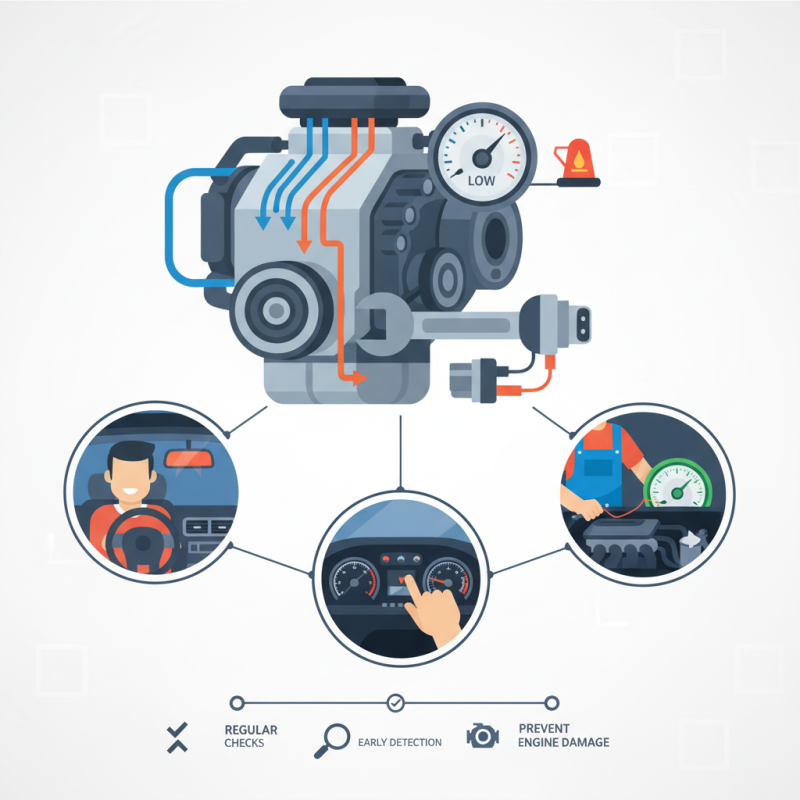
The oil pressure sensor is crucial for maintaining vehicle performance. It monitors the oil pressure in the engine. When oil pressure drops too low, it can lead to serious engine damage. The sensor sends data to the engine control unit, which displays the information on the dashboard. A malfunctioning sensor can result in false readings. This may cause unnecessary worry for drivers.
Understanding its function can help in diagnosing issues. If the sensor fails, it may trigger warning lights. However, it’s essential to confirm the issue isn't related to the oil level or quality. Checking the oil regularly is straightforward. Replacing the oil filter can also improve performance. Different factors, like temperature, can affect oil pressure. Sometimes the sensor is the actual culprit, while other times it can be a larger issue.
When troubleshooting, consider looking for oil leaks or blockages. Listen for unusual noises from the engine. If you experience fluctuating readings, it’s worth investigating further. Testing the sensor with a multimeter can provide clarity. Reflect on preventative maintenance to avoid future problems. Not all issues are evident, so vigilance is important.
| Issue Description | Symptoms | Potential Causes | Diagnosis Steps | Recommended Actions |
|---|---|---|---|---|
| Low oil pressure reading | Warning light on dashboard, engine noise | Faulty sensor, oil flow issues | Check oil level and condition, inspect wiring | Replace oil and filter, check sensor operation |
| Fluctuating oil pressure gauge | Gauge moving erratically | Bad connection, internal sensor failure | Examine sensor connections, test sensor output | Repair connections. Replace if necessary |
| Oil pressure warning light stays on | Light illuminated on dashboard | Sensor stuck in 'on' position, electrical fault | Test sensor operation, check for short circuits | Replace faulty sensor or repair wiring |
| Sensor error codes | Check engine light on | Malfunctioning sensor, loose connectors | Use diagnostic tool to read error codes | Clear codes and re-test, replace if necessary |
: Symptoms include fluctuations in the oil pressure gauge and an illuminated oil pressure warning light.
Yes, inaccurate readings can lead to inadequate lubrication and increased friction, resulting in engine wear.
Drivers may hear strange noises or smell burning oil. Dark oil spots under the vehicle can also occur.
Start by locating the sensor. Ensure the engine is off and cool before examining it for damage.
Look for cracks, leaks, and check electrical connections. Loose or corroded wires can affect the sensor's performance.
Use a multimeter to measure the sensor's resistance. If readings are out of range, the sensor may be faulty.
Top up the oil if necessary. However, avoid overfilling, as this can create other issues.
Yes, this prevents any electrical surprises while you work on the sensor.
If problems persist after a reset or test drive, further investigation is necessary. Trust your instincts.
Yes, knock sensors can mimic similar symptoms, making accurate diagnostics crucial to avoid unnecessary repairs.
The oil pressure sensor plays a critical role in monitoring the oil pressure levels within a vehicle's engine, ensuring optimal performance and preventing damage. Understanding its function is essential for diagnosing potential issues. Common symptoms of a faulty oil pressure sensor include warning lights on the dashboard, fluctuating oil pressure readings, and unusual engine noises.
To effectively diagnose oil pressure sensor problems, a step-by-step inspection guide is recommended, which includes visual checks and connection assessments. Testing techniques, such as using a multimeter, can confirm sensor functionality. If issues are identified, replacing the defective oil pressure sensor is necessary to restore proper engine operation and maintain vehicle health.
