In 2026, excessive oil consumption in engines remains a pressing concern for many vehicle owners. Industry statistics reveal that nearly 20% of vehicles experience this issue at some point in their lifespan. This raises an important question: "Why does my engine use too much oil?" Insights from experts shed light on potential causes. For instance, John McAllister, a renowned automotive engineer, states, "Oil consumption can stem from various factors, including engine wear and design flaws."
As engines age, wear and tear become inevitable. Components like piston rings and valve seals degrade, allowing oil to seep into combustion chambers. All vehicles suffer from some level of oil loss, but excessive consumption takes a toll. A worn engine can lead not only to poor performance but also to costly repairs down the line. Understanding these symptoms early is crucial for maintenance.
Various studies also point to specific design elements influencing oil usage. For example, turbocharged engines often consume more oil than their naturally aspirated counterparts. Some manufacturers have acknowledged this trend, encouraging more frequent oil changes and monitoring. This evokes a sense of urgency for car owners to stay informed and address the question, "Why does my engine use too much oil?" Remember, being proactive can make a substantial difference.
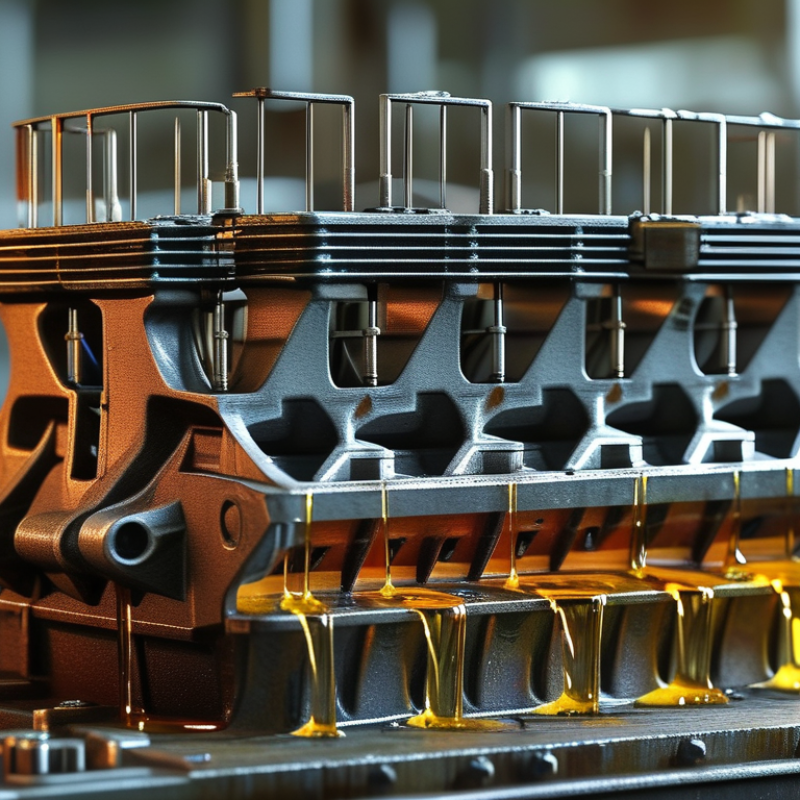
Causes of Excessive Oil Consumption in Modern Engines
Excessive oil consumption in modern engines can stem from several issues. One common cause is worn piston rings. When these rings fail, oil can seep into the combustion chamber. This leads to burning oil and visible blue smoke from the exhaust. Drivers often notice frequent oil top-offs.
Another issue is valve seal wear. Over time, seals can degrade. This allows oil to leak into the engine cylinders. A noticeable sign is oil fouling on spark plugs. If you experience rough idling, it might signal this issue.
Engine design also plays a role. Some modern engines run hotter, which can break down oil more quickly. In such cases, using higher-quality oil can help. But even the best oil can't fix mechanical failures. Regular maintenance is essential. Not addressing these problems can lead to more significant engine damage.
Signs Indicating Your Engine is Consuming Too Much Oil
Excessive oil consumption in engines can signal serious issues. Understanding the signs can save you from costly repairs.
One key indicator is oil spots under your vehicle. If you notice oil stains on your driveway, it's time for investigation. Engines typically consume about a quart every 3,000 to 5,000 miles. Consuming more than this suggests a leak or internal problem. Smoke from the exhaust is another warning sign. Blue smoke indicates oil burning in the combustion chamber. This can result from worn valve seals or piston rings.
Regularly checking the oil level is crucial. If your oil levels drop quickly between changes, that’s concerning. A study shows that older engines, particularly those over 100,000 miles, often experience increased oil consumption. In such cases, an assessment by a qualified technician can help identify the root cause. Ignoring these symptoms can lead to reduced performance and engine damage. Therefore, keeping an eye on these signs ensures your vehicle runs smoothly and efficiently.
Why Does My Engine Consume Excessive Oil in 2026? - Signs Indicating Your Engine is Consuming Too Much Oil
| Sign |
Possible Causes |
Recommended Action |
Severity Level |
| Smoke from Exhaust |
Worn piston rings or valve seals |
Inspect and replace piston rings or seals |
High |
| Oil Light Illuminated |
Low oil levels or pressure issues |
Check oil levels and pressure |
Critical |
| Oil Leaks |
Worn gaskets or seals |
Replace worn gaskets or seals |
Moderate |
| Frequent Oil Changes Needed |
High oil consumption |
Monitor usage and consider engine rebuild |
Moderate |
| Engine Noise |
Insufficient lubrication |
Check oil levels and fill as needed |
High |
Impact of Engine Design on Oil Consumption Rates
Engine design plays a critical role in oil consumption rates. In 2026, many vehicles experience excessive oil consumption due to specific design elements. For instance, tight tolerances in piston rings can lead to greater oil leakage. This factor increases oil consumption significantly. Also, engine materials influence how much oil is burned. Lightweight materials may enhance performance but could lead to higher oil usage.
Furthermore, turbocharging is prevalent in modern engines. While it boosts power and efficiency, it also raises oil temperatures. Higher temperatures can cause oil to thin, increasing consumption. Some engines may use variable valve timing, which improves efficiency but can lead to oil seeping into the combustion chamber. Users should reflect on these aspects when tracking oil usage.
No engine design is flawless. Manufacturers often compromise between performance and durability. This trade-off can lead to higher oil consumption. Ongoing advancements in technology may address these inefficiencies. However, understanding the nuances of engine design is essential for car owners. It helps in managing expectations and maintenance needs effectively.
Preventative Maintenance Tips to Reduce Oil Consumption
Excessive oil consumption can be a troubling issue for vehicle owners. To mitigate this problem, regular maintenance is key. Start with routine oil checks. This simple task can save you from larger, more costly repairs later. Look for signs of leaks under your vehicle. Even small drips can signal bigger issues.
Another effective preventative measure is to change your oil regularly. Fresh oil enhances engine performance and reduces friction. Consider using high-mileage oil if your car has seen better days. This type often contains additives that help with oil retention. Pay attention to your engine's performance during oil changes; any unusual noises could indicate deeper issues.
Lastly, monitor your driving habits. Aggressive acceleration and high speeds can increase oil consumption. A gentler driving style not only benefits your engine but your fuel efficiency too. Reflecting on these habits occasionally can lead to better decisions for both your vehicle and wallet.
When to Seek Professional Help for Oil Issues in Engines
Excessive oil consumption can be alarming. It often signifies deeper issues within your engine. Knowing when to seek professional help is crucial. Small leaks or faulty seals can lead to significant problems if ignored. Regularly check your oil levels to catch discrepancies early.
If your engine emits bluish smoke, this could indicate oil burning. Don’t delay in consulting a mechanic. Strange noises or decreased performance may also signal underlying issues. Remember, every vehicle has its limits. Over time, oil degradation happens due to temperature and friction. Ignoring these signs can lead to costly repairs later.
How often do you check your oil? Many overlook this basic maintenance task. A simple oil change could save you money in the long run. If you notice inconsistent oil levels or a burning smell, it’s time for a professional evaluation. Trust your instincts. Your engine’s health is worth the attention.
Oil Consumption Analysis for 2026 Models
FAQS
: Common causes include worn piston rings and degraded valve seals. These issues can lead to oil leaks and burning.
Look for oil spots under your vehicle and check for blue smoke from the exhaust. These are warning signs.
Typically, engines consume about one quart every 3,000 to 5,000 miles. More than this indicates potential internal problems.
Oil stains may signal a leak. It’s time to investigate the issue to prevent further damage to the engine.
Regular oil checks and changes help maintain engine performance. They can prevent more significant and costly repairs down the line.
High-mileage oil is often recommended for older engines. It contains additives to improve oil retention and reduce consumption.
Aggressive driving can increase oil consumption. Gentle acceleration and consistent speeds help maintain efficiency and reduce wear.
Unusual noises during oil changes or frequent oil top-offs could signal underlying problems. Pay attention to these details.
Regular checks are essential, especially if your oil levels drop quickly between changes. This helps catch problems early.
Ignoring these issues can lead to reduced engine performance and potential damage. Regular monitoring is crucial for vehicle health.
Conclusion
Excessive oil consumption in modern engines can stem from various factors, including internal leaks, worn piston rings, valve guide issues, and even engine design characteristics. Drivers should be vigilant for signs such as frequent oil top-ups, visible smoke from the exhaust, or unusual engine noises, which indicate that they might be asking themselves, "Why does my engine use too much oil?"
To combat excessive oil consumption, implementing preventative maintenance measures is crucial, such as regular oil changes and ensuring that the correct oil type is used. If oil consumption remains a concern despite these efforts, it's important to seek professional help to diagnose and address the underlying issues effectively. Understanding these aspects can help vehicle owners take proactive steps in managing their engine's oil consumption.
 Dominion Parts
