Dominion Parts
Engine maintenance plays a pivotal role in ensuring vehicle longevity. It goes beyond routine checks; it involves proactive care for one of the most vital components of a vehicle. A report from the Automotive Maintenance and Repair Association highlights that proper maintenance can enhance engine life by 50%. In fact, many vehicles experience costly repairs due to neglect. Why is engine maintenance so important? It prevents minor issues from escalating into major problems, which can lead to breakdowns.
Consider this: a well-maintained engine runs more efficiently and consumes less fuel. According to the U.S. Department of Energy, proper engine maintenance can improve fuel economy by up to 15%. Such improvements save drivers money over time. Yet, many owners overlook basic tasks like oil changes or filter replacements. It’s easy to become complacent, but neglecting these tasks can lead to significant repair costs.
Regular inspections not only extend engine life but also enhance safety on the road. Cars with poorly maintained engines are more prone to failures. This raises questions about responsibility and ownership. Are drivers aware of the risks they take when ignoring maintenance? As the statistics reveal, the benefits of diligent engine care cannot be overstated, proving it to be an essential practice for every vehicle owner.
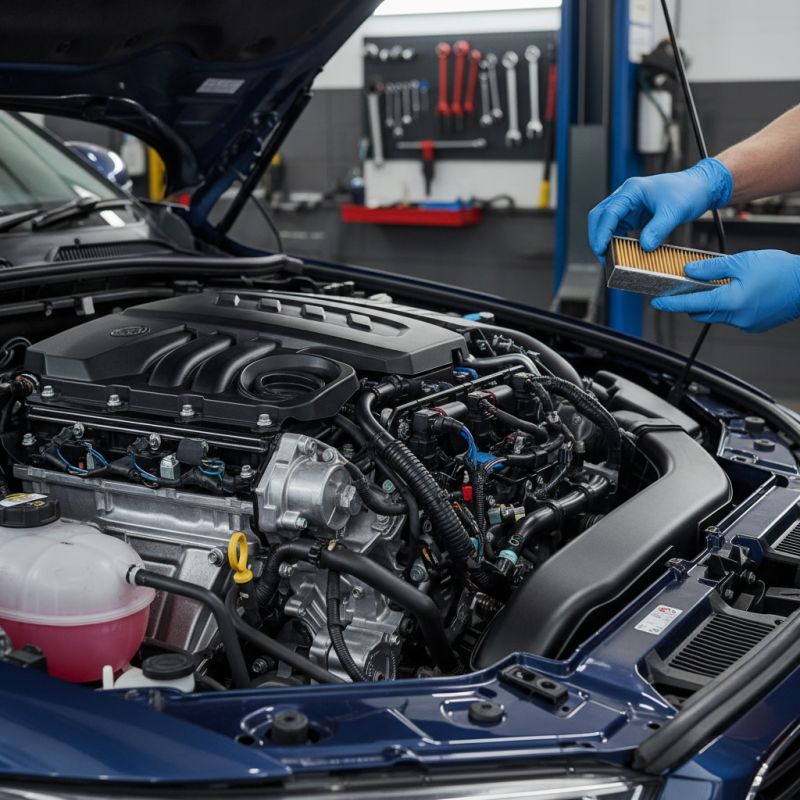
Engine maintenance is often overlooked, yet it plays a significant role in ensuring vehicle longevity. According to industry reports, nearly 30% of all vehicle issues stem from poor engine maintenance. A well-maintained engine can enhance fuel efficiency by up to 15%. This translates into considerable savings at the gas station over time. Regular oil changes, for example, can extend engine life significantly. Statistics show that vehicles following a strict maintenance schedule often last over 200,000 miles.
Neglecting engine care can lead to significant problems. A dirty air filter can reduce engine power by up to 10%. If ignored, this simple issue can escalate into costly repairs. Many drivers are unaware of how vital coolant levels are. Low coolant can lead to overheating, which damages the engine. Routine checks should not be optional; they are necessary. Professionals recommend checking engine components every 5,000 miles. Ignoring this advice often leads to unexpected breakdowns and repair bills.
Owning a vehicle comes with responsibilities. Regular engine maintenance ensures reliability and performance. However, many drivers delay necessary services due to time or cost. This procrastination can be detrimental. Realizing that engine neglect could lead to extensive repairs is important. Addressing these issues proactively can save money and prolong vehicle life. Making engine maintenance a priority is crucial for every vehicle owner.
Maintaining an engine is vital for extending a vehicle's life. Several key components play important roles in this process. One crucial part is the oil filter. It removes contaminants from engine oil, ensuring smooth lubrication. Dirty oil can lead to significant wear. Regular changes can help avoid serious damage.
Another critical component is the air filter. This filter controls the air flow to the engine. A clean air filter enhances performance and fuel efficiency. When it's clogged, the engine struggles, leading to decreased power. Inspecting it regularly can save headaches down the road.
The spark plugs also deserve attention. They ignite the air-fuel mixture, enabling combustion. Worn spark plugs can cause misfires and reduced efficiency. Replacing them on time is essential for optimal engine function. Many overlook these simple tasks, but they are fundamental for a healthy engine. Regular maintenance can prevent costly repairs later.
Engine maintenance is often overlooked, leading to severe issues. A study by the American Automobile Association (AAA) found that 1 in 5 cars need immediate attention due to neglect. Small problems can escalate quickly. For example, ignoring low oil levels can result in engine seizing. Engine components require regular checks. Failure to replace filters can cause dirt buildup.
Overheating is another common issue tied to poor maintenance. According to a report from the Car Care Council, nearly 90% of vehicles suffer from cooling system neglect. This often leads to blown gaskets and costly repairs. Regular coolant checks could prevent these failures.
Also, worn-out spark plugs can affect fuel efficiency. A study found that replacing them can boost mileage by up to 30%.
Drivers frequently underestimate these risks. A quick oil change or filter replacement is easy to delay. However, delaying maintenance can cost thousands in repairs. Data shows that proactive maintenance not only increases longevity but minimizes unexpected breakdowns. Ignoring these tasks often leads to reflective moments on vehicle reliability.
Regular engine maintenance is vital for ensuring vehicle longevity. According to a report by the Automotive Maintenance and Repair Association, proper maintenance can extend a vehicle's lifespan by up to 30%. This statistic highlights the importance of adhering to maintenance schedules.
Many owners overlook regular oil changes. Neglecting this can lead to engine wear. Using quality oil is essential too. It keeps the engine clean and lubricated.
Another important practice is checking the air filter regularly. A clean air filter improves fuel efficiency by 10%. Dirty filters restrict airflow, leading to poor performance. Engine coolant levels should also be monitored. Overheating can cause irreversible damage. A simple coolant check can prevent serious issues.
Surprisingly, many drivers underestimate the value of these practices. They often wait for visible problems before seeking maintenance. Waiting can lead to costly repairs. Preventative maintenance is always more economical. For a small investment in routine checks, the benefits are clear. Keeping detailed records of maintenance can also help drivers recognize patterns and reflect on their habits.
Proper engine maintenance can significantly extend the life of your vehicle. According to the Engine Manufacturers Association, timely oil changes can boost engine life by up to 40%. Regularly checking oil levels and filters ensures essential lubrication. This proactive approach minimizes wear and tear on critical components. Some drivers overlook small leaks or strange noises. Ignoring these signs can lead to costly repairs later.
Routine maintenance can also improve fuel efficiency. The U.S. Department of Energy states that maintaining your engine can enhance fuel economy by about 4%. This translates into substantial savings over years of ownership. Keeping the air filter clean is just one aspect. A clogged filter can decrease performance and increase emissions. Monitoring ignition systems is equally vital; a faulty ignition can lead to misfires, wasting fuel and damaging the engine.
Many vehicle owners wait for problems to manifest before seeking maintenance. This reactive strategy can result in significant mechanical failures. Regular inspections help identify potential issues early. A recent report highlighted that vehicles receiving regular check-ups retained up to 80% of their original value after five years. Emphasizing preventive care not only ensures reliability but also promotes a more sustainable driving experience.
| Maintenance Task | Frequency | Benefits | Impact on Longevity |
|---|---|---|---|
| Oil Change | Every 5,000 - 7,500 miles | Reduces engine wear and tear | Prolongs engine life by up to 50% |
| Air Filter Replacement | Every 12,000 - 15,000 miles | Improves engine efficiency | Increases longevity by maintaining optimal performance |
| Coolant Flush | Every 30,000 miles | Prevents overheating | Extends engine life by preventing damage |
| Spark Plug Replacement | Every 30,000 - 100,000 miles | Ensures efficient combustion | Reduces wear and improves fuel economy |
| Timing Belt Replacement | Every 60,000 - 100,000 miles | Prevents engine failure | Avoids costly repairs and extends engine durability |
: The article aims to inform about recent trends and insights in the industry.
Regularly read news articles, subscribe to newsletters, and follow experts on social media.
Companies struggle with rapid technological changes and shifting consumer preferences.
Yes, sustainability and digital transformation are gaining momentum across various sectors.
Consumer feedback is crucial. It helps businesses adapt and improve their offerings.
Technology drives efficiency. It also influences how consumers interact with brands.
Encourage a culture of creativity and collaboration. Allow employees to share ideas without fear.
Rushing into new trends without research can lead to mistakes. Reflect on past decisions.
Use personalized communication. Show that you value their opinions and experiences.
Adaptability is essential. Companies must be willing to change and learn continuously.
Engine maintenance is crucial for vehicle longevity for several reasons. It involves understanding the importance of regular checks and upkeep to prevent common issues that may arise from neglect. Key components of engine maintenance, such as oil changes, filter replacements, and coolant checks, play significant roles in ensuring optimal engine function. Failing to maintain these can lead to severe engine problems, including overheating and reduced performance.
Best practices for regular engine maintenance not only help mitigate these risks but also promote long-term benefits such as improved fuel efficiency and extended vehicle lifespan. By prioritizing engine care, vehicle owners can ultimately save on repair costs and ensure their vehicles remain reliable for years to come. Therefore, the question "Why is engine maintenance so important?" is answered through the understanding of how consistent care leads to a healthier, longer-lasting engine.
