Dominion Parts
Understanding why your engine overheats so easily can save you from costly repairs. Renowned automotive expert Dr. Henry Lawson has stated, "A well-maintained engine is the key to preventing overheating." This emphasizes the importance of regular checks for signs of trouble.
Many factors contribute to engine overheating. For instance, low coolant levels can cause your engine temperature to rise rapidly. Additionally, a malfunctioning thermostat might prevent coolant from circulating effectively. These are common yet often overlooked issues that can lead to frustration on the road.
If you're left wondering, “Why does my engine overheat so easily?” it’s essential to consider your vehicle’s overall condition. Ignoring minor problems can lead to significant damage over time. Regular maintenance and timely inspections can mitigate risks. Don't wait for an overheating incident to happen; being proactive is crucial.
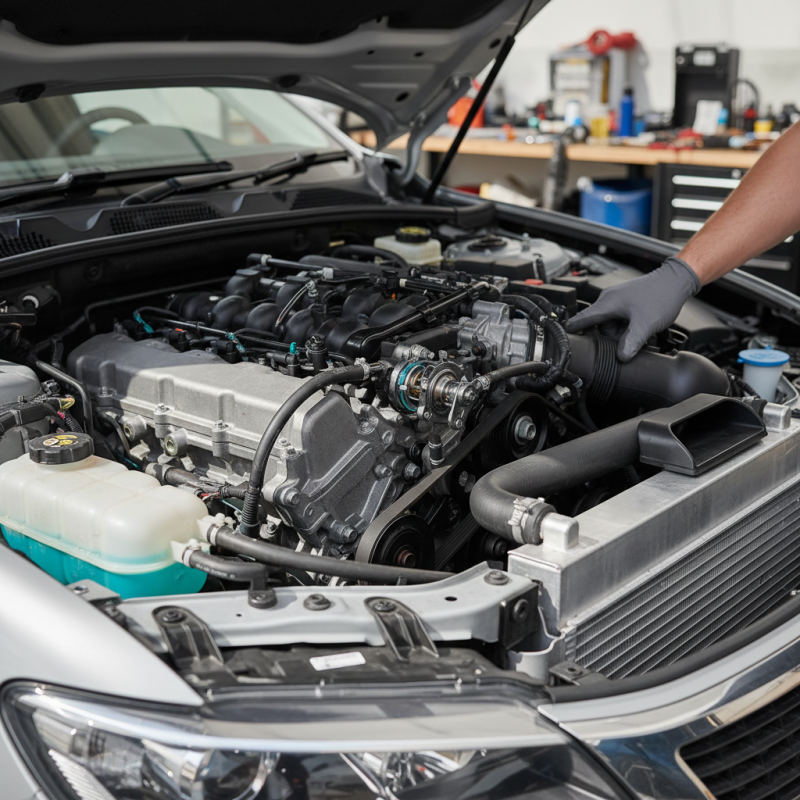
Engine overheating is a significant issue for many vehicle owners. Understanding the common causes can help prevent serious damage. A study by the Engine Manufacturers Association indicates that nearly 40% of engine failures are related to cooling system malfunctions. A common culprit is low coolant levels. This can happen due to leaks in hoses or the radiator. Regular fluid checks are crucial.
Another contributing factor is a malfunctioning thermostat. It controls the flow of coolant. If it fails in a closed position, the engine will overheat rapidly. According to the American Automobile Association, driving with an overheating engine can lead to severe engine wear. Engine temperatures can exceed safe limits in minutes.
Furthermore, a faulty water pump can impact coolant circulation. Research shows that nearly one in five vehicles experiences water pump failure by 100,000 miles. This can lead to engine damage if not addressed. It's essential to inspect these components regularly. Addressing signs like steam from the hood or fluctuating temperature gauges can save significant repair costs. Ignoring these symptoms can lead to costly repairs later.
The thermostat plays a crucial role in regulating your engine's temperature. It acts like a gatekeeper, controlling the flow of coolant. When the engine is cold, the thermostat stays closed. This allows the engine to warm up quickly. Once it reaches a certain temperature, the thermostat opens. This lets the coolant circulate and cools the engine. However, if the thermostat is stuck in the closed position, overheating can happen swiftly.
Symptoms of a faulty thermostat include fluctuating temperature readings and steam or smoke. You might also notice coolant leaking. These signs suggest the thermostat is not functioning properly. Paying attention to these indicators is crucial. A malfunctioning thermostat can lead to serious engine damage. Changing a thermostat is not overly complicated but can be overlooked. Always double-check your cooling system when diagnosing overheating issues. Ignoring this part can lead to costly repairs in the long run. Regular maintenance is essential.
One major reason for an overheating engine is coolant system problems. These can stem from leaks, blocks, and inefficiencies that directly impact engine temperature. According to industry data, nearly 60% of engine overheating issues are linked to coolant system failures. A small leak can slowly drain coolant levels, resulting in inadequate cooling. Regular maintenance checks are crucial. Ignoring tiny leaks can lead to bigger issues.
Blockages within the coolant passages can significantly reduce flow efficiency. As a result, engine heat cannot escape effectively. This can be due to rust, debris, or mineral buildup from hard water. Research indicates that up to 25% of older vehicles experience such blockages. Drivers often overlook symptoms like fluctuating temperature gauges or steam from under the hood. Recognizing these signs early is vital.
Additionally, the coolant mixture may not be adequate. A poor balance of antifreeze and water can cause boil-over situations. Many drivers assume a simple refill is enough, but this could mask deeper problems. Always consider having the system flushed. Even a slight oversight here can lead to engine failure, which might be costly to repair. Regular inspections and understanding your vehicle's cooling needs are essential for prevention.
The radiator plays a crucial role in engine cooling. When the engine runs, it produces heat. The radiator dissipates this heat, preventing overheating. A faulty radiator can lead to serious issues. If it’s clogged or leaking, the engine overheats easily. This often goes unnoticed until it’s too late. Regular checks are essential to catch such problems early.
Cooling fluid circulates through the radiator. It absorbs heat and releases it when passing through the radiator coils. If the fluid level is low, it hampers this process. This could happen due to leaks or evaporation. A damaged radiator cap can also contribute to cooling failure. Observing signs like steam or unusual engine sounds can be helpful.
Overlooking radiator maintenance is a common mistake. Neglecting to flush outdated coolant can lead to corrosion. It’s important to replace coolant regularly. Even minor issues should not be ignored. Paying attention to these details can extend the life of the engine. Stay proactive, as prevention is much easier than fixing problems later.
Overheating engines can lead to severe damage. Regular maintenance can prevent this issue. Check your coolant levels consistently. Low coolant can cause your engine to heat up quickly. Even if your gauge looks fine, periodic checks are essential. Replacing coolant every couple of years is wise.
Inspect your radiator for any blockages. Dirt or debris can obstruct airflow. A clean radiator allows effective heat dissipation. Additionally, examine hoses for wear and tear. Cracks or leaks can compromise your cooling system. Regularly tighten clamps to ensure they are secure.
Don’t overlook your thermostat. If it fails, your engine might overheat without warning. Consider inspecting it during routine service. Lastly, watch for unusual temperature spikes. Addressing these early can save you from costly repairs later. Taking care of your vehicle requires diligence. Even small actions matter in long-term maintenance.
This chart represents the various causes of engine overheating and their associated percentages. Regular maintenance and attention to these areas can help prevent overheating issues.
: It has multiple functionalities. The design is user-friendly and efficient. Versatility is a strong point.
Follow the instructions provided. Practice makes perfect. Adjust settings according to your needs.
Many users report good durability. However, heavy use may lead to wear. Regular maintenance helps.
Yes, but it requires proper care. Some tough stains may take extra effort. Regular cleaning is essential.
Check the troubleshooting guide first. Contact support if problems persist. Providing feedback can help improve quality.
Yes, performance may vary with conditions. Environmental factors might affect efficiency. Always consider your usage context.
Review the return policy. Conditions apply for returns. Keeping the original packaging may be necessary.
Assess your personal needs. Read reviews from diverse users. Consider possible adjustments in your routine.
Engine overheating is a common issue that many vehicle owners face, leading to the question, "Why does my engine overheat so easily?" Understanding the root causes is crucial for effective troubleshooting and prevention. Common culprits include thermostat malfunctions, which regulate engine temperature; coolant system issues like leaks or blockages that disrupt the flow of coolant; and radiator functionality, which plays a vital role in dissipating heat.
To prevent overheating, regular maintenance is essential. This includes checking the coolant level, inspecting hoses for leaks, and ensuring the radiator is functioning correctly. By addressing these areas, vehicle owners can mitigate the risk of overheating and maintain optimal engine performance.