Dominion Parts
Understanding how to tell if my engine needs repair is crucial for any vehicle owner. Engine problems can arise unexpectedly. Unusual sounds, like knocking or grinding, may indicate an issue. If your engine struggles to start, that is another warning sign. Watch for warning lights on your dashboard as well.
Vibrations during driving can also suggest engine trouble. Excessive smoke from the exhaust is alarming and should not be ignored. Pay attention to changes in fuel efficiency as well. If you notice a sudden drop, it might be time for a check-up.
Regular maintenance is vital, but even the best care can't prevent all issues. Sometimes, problems emerge without clear warning. Trust your instincts if something feels off. Addressing engine issues early can save you money and prevent further damage. Always stay informed about your vehicle's health.
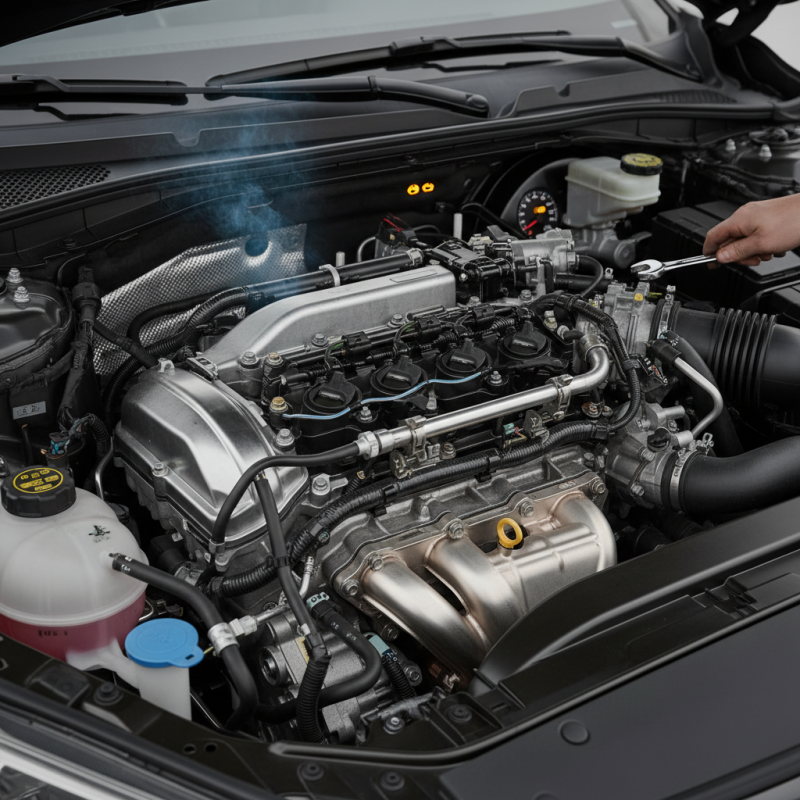
Unusual noises from the engine can signal trouble. Pay attention if you hear a knocking, grinding, or hissing sound. These noises often indicate serious issues requiring immediate inspection. A knocking noise might be linked to problems with the pistons or crankshaft. It can be alarming, and you might question if your engine is still safe to drive.
A grinding sound could arise from worn-out gears or a failing starter. This can lead to further damage if ignored. The hissing noise might point to a coolant leak or exhaust issue. If you notice any unusual sounds, it’s crucial to take action. Ignoring these signs can escalate repairs and costs.
Driving your vehicle with these symptoms can be risky. Many overlook minor noises at first. But this is an area that deserves attention. Observing and identifying these sounds early on can save you stress later. Don't hesitate to seek help if you are unsure about what you're hearing. Educating yourself can empower you to make better decisions regarding engine care.
When monitoring your engine's performance, subtle changes can indicate deeper issues. Watch for unusual sounds. A knocking or rattling noise could mean something's wrong. If your engine hesitates during acceleration, take note. This could signal fuel delivery problems or a failing throttle. Pay attention to decreased power; your vehicle should respond promptly when you press the gas.
Here are some tips for keeping your engine in check. Regularly check the oil level and quality. Low or dirty oil can lead to severe problems. Also, observe any warning lights on your dashboard. Ignoring them could worsen issues. Don't delay if you feel vibrations while driving; this might indicate misalignment or internal issues.
Be aware of changing fuel efficiency. A sudden drop in miles per gallon can be crucial. It's not just about saving money; it signifies potential engine trouble. Remember, any sudden change in performance deserves attention. Listening to your engine's signals can save you from costly repairs down the line.
When monitoring your vehicle, one of the most critical indicators of potential engine issues is the dashboard warning lights. According to a report by the National Highway Traffic Safety Administration (NHTSA), nearly 60% of drivers overlook these signals. Ignoring these lights can lead to severe engine damage and costly repairs.
Different lights serve various functions. For instance, the check engine light could indicate anything from a loose gas cap to serious engine failure. In fact, a survey revealed that 90% of drivers do not fully understand what each light means. This confusion can delay crucial repairs and worsen vehicle performance.
Additionally, some signs are subtle. A strange smell, unusual sounds, or vibrations may accompany warning lights. These subtle cues are easily missed but can suggest deeper problems. In a study, over 40% of drivers reported neglecting non-light-related symptoms. This mindset can result in a costly oversight for vehicle health. Paying attention to all these factors ensures better maintenance and longevity for your engine.
| Warning Light | Description | Possible Issue |
|---|---|---|
| Check Engine Light | Indicates a problem with the engine or emissions system. | Engine misfire, faulty oxygen sensor, or exhaust leak. |
| Oil Pressure Light | Warns that the oil pressure is low. | Low oil level, oil pump failure, or a leak. |
| Battery Warning Light | Signals a problem with the vehicle’s electrical system. | Faulty alternator, battery issues, or connection problems. |
| Coolant Temperature Light | Indicates the engine is overheating. | Low coolant, thermostat failure, or water pump issues. |
| Brake Warning Light | Indicates potential brake system problems. | Low brake fluid, worn brake pads, or ABS issues. |
When inspecting your vehicle, checking for fluid leaks is crucial. These leaks can indicate underlying engine issues. The most common fluids to look for include oil, coolant, transmission fluid, and brake fluid. A report from the Automotive Aftermarket Industry Association (AAIA) suggests that approximately 30% of vehicles on the road experience some fluid leakage.
Start by parking your vehicle on a clean, dry surface. After a few hours, look for any colored puddles underneath the engine. Oil typically creates a dark brown or black puddle, while coolant might appear green, orange, or pink. Brake fluid is usually clear to brown, and it leaves a slick residue. If you notice any of these leaks, it's time to take action.
Ignoring these signs can lead to severe engine damage. According to the National Highway Traffic Safety Administration (NHTSA), leaking fluids can contribute to over 5% of vehicle breakdowns. Continually operating a vehicle with leaks can exacerbate the problem and eventually lead to costly repairs. It may feel daunting to diagnose the issue on your own. However, early detection could save you time and money in the long run. Always consult a professional if you're uncertain about the extent of the damage.
Excessive exhaust smoke is a critical sign that your engine might need repair. If you notice thick, dark smoke, it often indicates fuel combustion issues. According to the Environmental Protection Agency (EPA), vehicles emitting black smoke can significantly exceed federal emissions standards. This not only harms the environment but also suggests underlying engine problems.
Another concern is the smell of exhaust. If you detect a strong odor of gasoline, it may suggest a fuel leak or poor combustion. The American Automobile Association (AAA) reports that fuel leaks can lead to decreased fuel efficiency. Ignoring this warning can escalate into costly repairs.
Listening to your engine is also vital. Unusual noises or vibrations, combined with exhaust issues, warrant immediate attention. A study from the Society of Automotive Engineers highlights that 80% of engine failures could have been prevented with timely repairs. It’s essential to trust your instincts and get a professional opinion if you suspect trouble. Regular maintenance checks can help identify these symptoms early on.
: Regular exercise improves physical health. It boosts mood and enhances energy levels. It also promotes better sleep quality.
Set realistic goals. Find activities you enjoy. Consider exercising with friends or joining a group.
Choose light snacks like bananas or yogurt. Hydrate well but avoid heavy meals. Timing matters; eat 30 minutes prior.
Aim for at least 8 ounces every 20 minutes. Listen to your body. Thirst is a good indicator.
Light activity can be beneficial. But excessive fatigue might require rest. Balance is key to avoiding burnout.
Use proper techniques. Warm up before and cool down after. Pay attention to your body's signals; rest if needed.
When pondering "how to tell if my engine needs repair," there are several key signs to watch for. Firstly, be attentive to any unusual noises emanating from the engine, such as knocking or grinding sounds, which can indicate underlying issues. Additionally, monitoring changes in engine performance and power can reveal potential problems; a noticeable decrease in acceleration or stalling may suggest a need for repairs.
Another crucial aspect is checking for warning lights on the dashboard. These indicator lights are designed to alert drivers of malfunctions within the vehicle. Furthermore, inspecting for fluid leaks under the vehicle can provide insight into engine health, as leaks often point to damaged components. Lastly, pay attention to excessive exhaust smoke or unusual smells, which can signify serious engine troubles. By staying vigilant to these signs, you can better assess whether your engine requires repair.
