Dominion Parts Dominion Parts

Why Does My Engine Need Repair Signs to Watch For?

Time:2026-11-25 Author:Amelia
0%

An engine rarely fails without warning, although early clues can seem minor. A cold-start rattle, a new vibration at idle, or a sweet smell near the hood may point to trouble. Some symptoms come from simple causes, such as a loose belt or low fluid. Others signal internal wear that needs prompt inspection. The hard part is knowing which is which. A dashboard light alone cannot tell the whole story, and a quick glance under the hood may miss important clues. Small details matter.

This guide explains How to tell if my engine needs repair by connecting common symptoms with practical next steps. It covers unusual noises, smoke, overheating, warning lights, fluid loss, and changes in power or fuel use. Note when symptoms begin, whether they worsen as the engine warms, and if they appear during acceleration. These details can help a qualified technician narrow down the cause. Do not keep driving if the engine overheats, loses oil pressure, or makes a loud knocking sound. Stop somewhere safe and arrange professional help. A flashing check-engine light also deserves prompt attention, especially if the car shakes or loses power. There is no perfect checklist. Similar symptoms can have different causes, and guessing may waste time. Keep a simple record, check the owner’s manual, and take persistent changes seriously. Early diagnosis may limit damage and make repairs more predictable. Sometimes, the first warning is subtle. It is still worth checking.
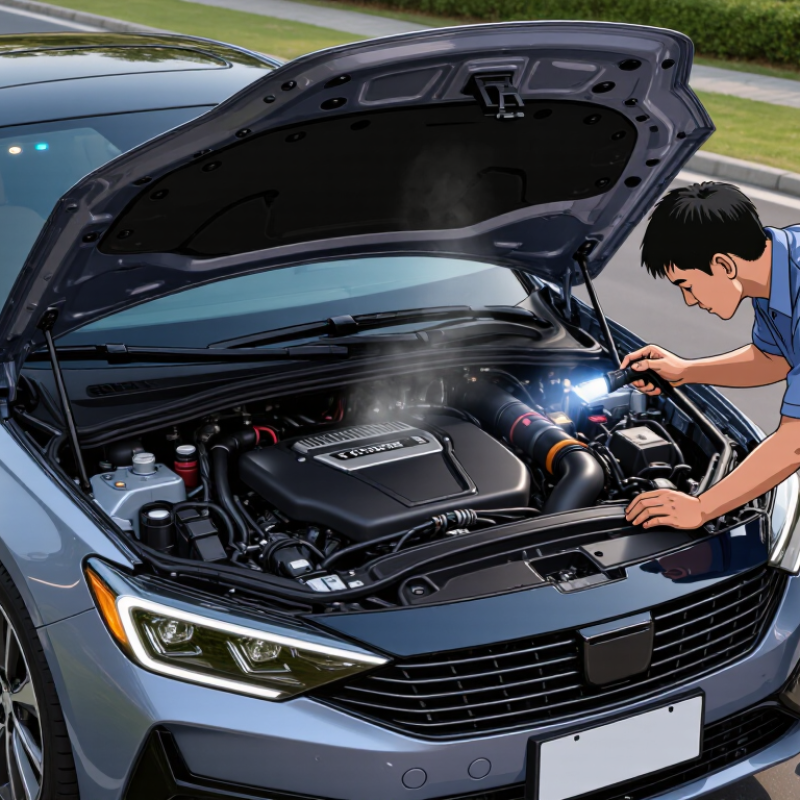
Why Does My Engine Need Repair Signs to Watch For?

How an Engine Works and Why It Needs Repair

An engine turns fuel energy into motion through a repeating cycle of air intake, compression, combustion, and exhaust. Pistons move inside cylinders, while valves control the flow of gases. Oil reduces friction between moving parts, and the cooling system carries away excess heat. These systems depend on one another. A small problem can place extra strain on the whole engine.

Repair signs often begin as changes in sound, smell, temperature, or performance. Knocking, rough idling, hard starting, or unusual exhaust smoke deserves attention, especially if it persists. A rising temperature gauge or a sudden loss of power can also signal trouble. These symptoms do not identify one exact fault; several problems can feel alike. It is tempting to keep driving when the engine still runs, but delay can turn a minor issue into costly damage. That judgment is not always easy.

Tips Check the oil level and coolant only when it is safe and the engine has cooled. Note when a sound occurs, whether the engine is cold or warm, and any warning lights. Listen closely. Avoid guessing from one symptom alone. A qualified mechanic can inspect the engine and explain whether repair is needed. Even a detail that seems small can help. My own first guess may be wrong.

Early Warning Signs of Engine Trouble

Early engine trouble often starts quietly. A rough idle may make the steering wheel tremble at a stop, while a new ticking sound can grow louder as the engine speeds up. Watch for warning lights, rising temperature, sluggish acceleration, unusual exhaust smoke, or a sudden drop in fuel economy. A steady check-engine light needs prompt diagnosis; a flashing light or an oil-pressure warning calls for stopping safely and seeking help. Don’t keep driving an overheating engine. That can turn a small fault into serious damage.

Notice when symptoms happen: during a cold start, uphill drive, or after the engine warms. Note any smells, such as sweet-smelling coolant or burning oil, and check the ground for fresh puddles. The U.S. Environmental Protection Agency explains that onboard diagnostic systems monitor engine and emissions components and illuminate the malfunction indicator when certain faults are detected. A warning light is a clue, not a diagnosis. AAA’s 2024 Your Driving Costs report estimated annual maintenance, repair, and tire costs at $1,186 for a new vehicle; that figure is a useful reminder that upkeep adds up, not a promise that early repairs always save money. Even careful drivers can miss a gradual change. A simple written note can help a technician find the pattern.

A rising temperature gauge, steam, or a coolant warning light can signal overheating. Pull over somewhere safe and switch off the engine if it overheats; never remove a hot radiator cap. Temperature ranges vary by vehicle, so check your owner’s manual.

Common Causes of Engine Damage

Common Causes of Engine Damage

Low or dirty engine oil is a frequent source of internal wear. Oil forms a protective film between moving parts; when the level drops, metal surfaces can rub together. A ticking sound, an oil-pressure warning, or a burning smell deserves prompt attention. Pull over safely if the warning light stays on. Continuing to drive can turn a small leak into major damage.

Overheating can warp cylinder-head components and weaken seals. A rising temperature gauge, steam, or coolant puddles under the vehicle are warning signs. Heat changes everything. Never remove a hot radiator cap; let the engine cool and arrange an inspection. A small coolant leak may seem harmless, but the gauge can climb quickly in traffic.

Dust entering through a damaged air filter can accelerate wear, while contaminated fuel may cause rough running or misfires. Skipped oil changes and ignored coolant leaks also raise the risk. Short trips and repeated hard acceleration before the engine warms up can add strain. That matters. Maintenance intervals vary by vehicle and driving conditions, so check the owner’s manual rather than guessing. I have seen drivers blame a sudden noise on “old age,” though a recent service lapse or low fluid level may be a more useful place to start. When symptoms persist, a qualified technician can test the cause before parts are replaced.

How Mechanics Diagnose Engine Problems

Why Does My Engine Need Repair? Signs to Watch For

How Mechanics Diagnose Engine Problems

A mechanic’s diagnosis begins with your account: when the noise started, whether the engine was cold, and what changed before the warning light appeared. A brief rattle at startup points to different checks than a steady misfire under acceleration. Details matter. A technician may scan the onboard computer, then compare stored codes and freeze-frame data with the symptoms. A code is a clue, not a verdict.

Next come hands-on checks. The mechanic may inspect oil level, wiring, hoses, and spark plugs, then test fuel pressure or cylinder compression. A road test can help reproduce a hesitation that never appears in the workshop. Not every fault is obvious. Intermittent problems may take time, and an initial guess can be wrong; careful technicians verify findings before recommending repairs.

The cost of checking matters, too. AAA’s 2024 Your Driving Costs study estimated maintenance, repair, and tire expenses at 10.13 cents per mile for an average new vehicle. That figure is not an engine-diagnosis price, but it shows why accurate testing can prevent unnecessary parts replacement. Ask what test confirmed the fault and whether the shop can show the readings. A second test may be warranted when results conflict.

When to Stop Driving and Seek Engine Repair

When the oil-pressure warning stays on, the temperature gauge climbs into the red, or the engine suddenly loses power, stop driving as soon as you can do so safely. A flashing check-engine light can signal a fault that may quickly damage the engine. Find a safe place away from traffic, switch off the engine, and call for roadside assistance. That is urgent. Continuing to drive “just a few more miles” can turn a repairable problem into a much larger one.

Pay attention to sounds and smells, too. Deep knocking, heavy rattling, steam from under the hood, or a strong smell of burning oil deserves prompt attention. If you see smoke or steam, do not open a hot radiator cap; pressurized coolant can cause serious burns. Do not restart it. A puddle beneath the car may be coolant or oil, but color alone cannot confirm the source.

Some warning signs are less dramatic: rough idling, repeated stalling, or gradual power loss. Avoid long trips and arrange an inspection soon, especially if these symptoms worsen. If the car shakes severely, overheats, or leaks heavily, have it towed instead of driving to a repair shop. It is tempting to wait and see, and sometimes the symptom does fade. That does not prove the engine is fine; note when it happens and tell the technician what you observed.

FAQS

What information should I give a mechanic?

Describe when the problem began, whether the engine was cold, and what changed before a warning light appeared. Mention specific sounds, such as a brief startup rattle or hesitation during acceleration. Details matter.

How do mechanics diagnose engine problems?

They may scan the onboard computer and compare stored codes with your symptoms. Then they can inspect oil, wiring, hoses, and spark plugs, or test fuel pressure and cylinder compression. A code is a clue, not proof.

Why might a mechanic take the car on a road test?

Some problems appear only while driving. A road test may reproduce hesitation or power loss that does not happen in the workshop. Intermittent faults can take time.

Should I ask how a repair diagnosis was confirmed?

Yes. Ask which test identified the fault and whether the shop can show you the readings. If test results conflict, another check may help. An early guess can be wrong.

When should I stop driving immediately?

Stop in a safe place if the oil-pressure warning stays on, the temperature gauge enters the red, or the engine suddenly loses power. A flashing check-engine light also needs urgent attention. Do not keep driving.

What should I do if I see steam or smoke?

Switch off the engine and seek help. Do not open a hot radiator cap; pressurized coolant can cause serious burns. Do not restart the car.

Are rough idling or gradual power loss urgent?

Arrange an inspection soon, especially if the symptoms worsen. Avoid long trips. If the car shakes severely, overheats, or leaks heavily, have it towed.

Does a symptom disappearing mean the engine is fine?

Not necessarily. Note when it happens, such as during a cold start or uphill drive, and tell the technician. I might be tempted to wait, but a fading symptom proves little.

Conclusion

An engine turns fuel and air into the power that moves a vehicle, and its many components must work together under heat and pressure. Over time, worn parts, low or dirty fluids, overheating, or neglected maintenance can cause damage. Knowing How to tell if my engine needs repair starts with noticing changes such as unusual knocking, persistent smoke, fluid leaks, loss of power, rough idling, difficulty starting, or a warning light. These signs may point to anything from a minor issue to a serious mechanical problem, so they should not be ignored.

A mechanic can investigate by checking the engine’s appearance and fluid levels, scanning for diagnostic codes, and testing components to identify the source of trouble. If the engine overheats, makes severe noises, loses power suddenly, or displays a serious warning, stop driving as soon as it is safe and arrange an inspection. Continuing to drive with a major fault can worsen the damage and increase repair costs.

Amelia

Amelia

Amelia is a seasoned marketing professional with a wealth of expertise in our company’s core offerings. With an unwavering passion for driving growth and innovation, she plays a pivotal role in shaping our marketing strategies and enhancing brand visibility. A key aspect of her responsibilities......