Dominion Parts
Servicing your engine is crucial for maintaining optimal performance. Many car owners often wonder, "How often should an engine be serviced?" Tim Miller, an automotive engineer with over 20 years of experience, states, "Regular service enhances engine longevity and efficiency." His insight highlights the importance of sticking to service intervals.
Various factors determine the frequency of engine servicing. Engine type, driving conditions, and mileage all play significant roles. For instance, if you often drive in heavy traffic or extreme weather, more frequent servicing may be necessary. The severity of usage can alter the recommended intervals set by manufacturers.
It's easy to overlook servicing your engine, leading to potential issues down the road. Some drivers may ignore warning signs, thinking everything is fine. However, neglecting maintenance can result in costly repairs. Understanding "How often should an engine be serviced" is critical for every vehicle owner. Ignoring expert recommendations can lead to diminished performance and reliability.
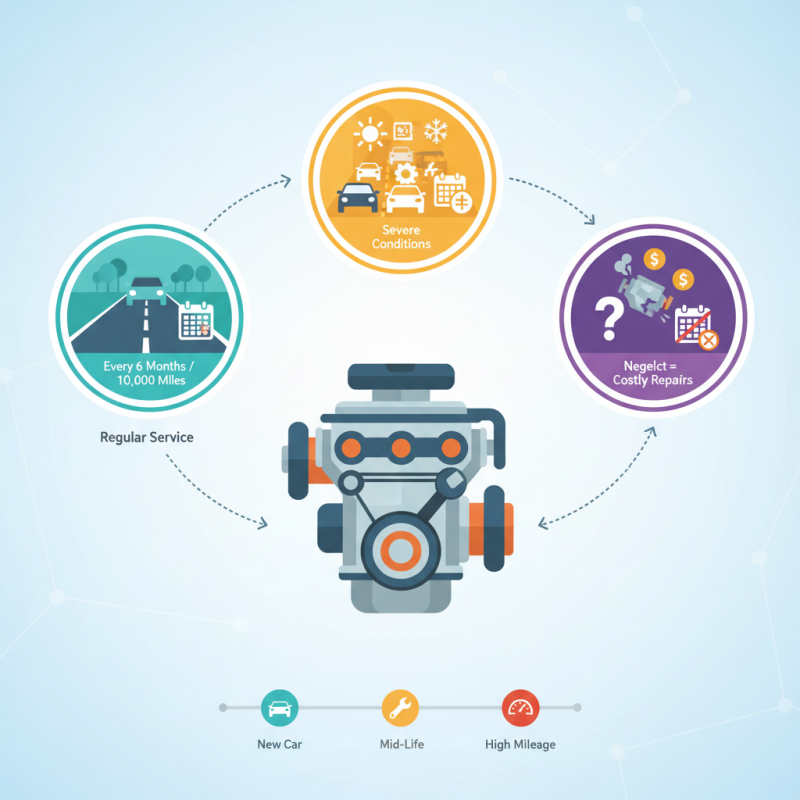
When considering how often to service your engine, several factors come into play. The type of vehicle you drive significantly affects service frequency. Sports cars may require more frequent checks than standard sedans. Engine performance can drop when you ignore these needs.
Driving conditions also play a crucial role. Frequent short trips, heavy traffic, or extreme weather can strain your engine. Dusty or uneven terrains can lead to faster wear and tear. Monitoring situations like these is essential for maintaining engine health.
Another consideration is your driving style. Aggressive acceleration and hard braking can increase the need for engine maintenance. Regularly check oil levels and listen for unusual sounds. These indicators can guide you to determine if your engine needs attention sooner than usual. Reflecting on these factors ensures your engine remains in optimal condition.
When it comes to engine servicing, different vehicles have varying needs. Compact cars often require a service every 5,000 to 7,500 miles. In contrast, larger vehicles like SUVs may need services around every 7,500 to 10,000 miles. These intervals ensure that the engine runs smoothly and efficiently. A report from the American Automobile Association (AAA) indicates that regular servicing can enhance fuel efficiency by about 4% to 30% over time.
For those driving heavy-duty vehicles or trucks, the intervals can be even more critical. Many experts suggest servicing such engines every 3,000 to 5,000 miles to manage wear and tear effectively. Neglecting these schedules could lead to severe engine damage, costing owners thousands in repairs. Industry data shows that poorly maintained engines can lose up to 25% of their efficiency.
**Tip:** Always refer to your vehicle's owner manual for the best service intervals specific to your model. Regular checks on oil levels and filters can prevent future costly repairs.
Remember, not servicing your engine regularly could result in short-term gains but long-term losses. Listen to your vehicle; if you notice unusual noises or reduced performance, it might be time for an unscheduled check. Stay proactive about maintenance, as it pays off in the long run.
This chart illustrates the recommended service intervals for different types of vehicles to maintain optimal engine performance. Regular servicing helps in prolonging the life of your engine and enhancing fuel efficiency.
Regular engine servicing is crucial for optimal vehicle performance. Certain signs indicate that your engine may need immediate attention. Unusual noises can be a red flag. If you hear knocking or rattling, it’s time to inspect. These sounds often point to internal issues that require expert diagnosis.
Another clear sign is poor fuel efficiency. If you find yourself frequenting gas stations more often, your engine may not be operating efficiently. This can stem from various problems, including dirty fuel injectors or a clogged air filter. Pay attention to these changes. Additionally, check for warning lights on your dashboard. Ignoring these alerts can lead to more significant issues.
Lastly, watch for excessive smoke from the exhaust. Blue smoke indicates oil burning, while black smoke suggests fuel inefficiency. These visual cues are important. Address them promptly to avoid costly repairs. Your engine's health can impact overall vehicle safety. Stay vigilant for these signs to ensure a smooth and reliable ride.
| Service Interval (Miles) | Frequency (Months) | Common Signs of Needed Service |
|---|---|---|
| 3,000 - 5,000 | 3 - 6 | Oil Change and Filter Replacement |
| 6,000 - 7,500 | 6 - 12 | Tire Rotation and Brake Inspection |
| 15,000 - 20,000 | 12 - 24 | Air Filter Replacement |
| 30,000 | 24 - 36 | Coolant Flush |
| 60,000 | 48 - 60 | Transmission Fluid Change |
| 100,000 | 60 - 80 | Timing Belt Replacement |
Regular maintenance is key for engine longevity. An engine that receives consistent care can run smoothly for years. It allows for early detection of any issues. Small problems can be fixed before they turn catastrophic. As dirt and debris accumulate, they can cause friction. This can lead to overheating and reduced performance.
Neglecting engine maintenance can result in severe consequences. For instance, oil changes are crucial. Dirty oil can lead to excessive wear. Regular checks also ensure that the coolant levels are adequate. Low coolant can cause overheating, which stresses engine components. Every engine has specific needs based on its design, usage, and age. Understanding these needs helps in planning maintenance.
Many drivers overlook warning signs. Strange noises or slight vibrations may seem minor. However, these can indicate underlying problems. Ignoring them may lead to costly repairs down the line. Establishing a service schedule based on the manufacturer's recommendations is wise. It creates a proactive approach, ensuring your engine runs at its best for longer.
Servicing your engine regularly is crucial for its performance. Engine oil needs to be changed every 3,000 to 5,000 miles. This helps maintain lubrication and minimizes wear. A clean air filter is equally important. It should be checked every 12,000 miles. A clogged filter can reduce engine efficiency.
Visual signs also matter. Pay attention to oil leaks or strange noises. These can indicate underlying issues. Ignoring them might lead to costly repairs down the line. Additionally, regular coolant checks help prevent overheating.
Keeping a service log can help track changes. It allows for better organization and planning. Reflecting on service intervals will guide future maintenance. Being proactive reduces stress and downtime. Engine care is an ongoing process. Making small adjustments now can lead to smoother rides later.
: Knocking or rattling sounds can signal internal issues. These noises often require expert diagnosis.
Frequent visits to the gas station are a clear sign. It may indicate underlying engine problems.
Don't ignore these alerts. They can lead to significant issues if not addressed quickly.
Blue smoke indicates oil burning. Black smoke suggests fuel inefficiency and requires attention.
Change the oil every 3,000 to 5,000 miles. This keeps your engine lubricated and reduces wear.
A clogged air filter can reduce engine efficiency. Check it every 12,000 miles for best results.
Regular coolant checks are essential. They help maintain your engine's temperature and prevent damage.
A service log helps track maintenance changes. It guides future service planning and reduces stress.
Pay attention to visual signs like oil leaks. Small adjustments now can prevent bigger problems later.
Your engine's condition directly affects overall vehicle reliability. Proper care ensures a safer ride.
Regular engine servicing is crucial for maintaining optimal performance and longevity. How often should an engine be serviced depends on various factors such as vehicle type, driving conditions, and manufacturer recommendations. Generally, it is advisable to follow recommended service intervals, which can vary between different vehicles. Indicators that your engine may need servicing include strange noises, decreased performance, and warning lights appearing on the dashboard.
Regular maintenance not only enhances engine efficiency but also extends its lifespan, ultimately saving you repair costs in the long run. Best practices for engine service include regular oil changes, checking fluid levels, and inspecting essential components like filters and belts. By being proactive about engine maintenance, drivers can ensure their vehicles run smoothly and reliably for years to come.