Dominion Parts Dominion Parts

Benefits of Engine Tuning for Better Performance and Efficiency?

Time:2026-05-16 Author:Liam
0%

Engine tuning is a critical aspect for automotive enthusiasts and everyday drivers alike. It focuses on optimizing engine performance and efficiency. Many car owners wonder, "What are the benefits of engine tuning?" The answers can lead to profound improvements in a vehicle’s capabilities.

Tuning an engine can enhance horsepower and torque. This means quicker acceleration and a more thrilling driving experience. Additionally, engine tuning can lead to better fuel efficiency. A well-tuned engine burns fuel more effectively, saving money over time. It’s not just about power; it's about being smarter with your resources.

However, tuning is not without its challenges. It requires expertise to navigate potential pitfalls. Improper tuning can lead to engine damage or short lifespan. It’s essential to seek help from qualified professionals. This ensures reliable results and avoids costly mistakes. Understanding engine tuning could elevate your vehicle, but it’s vital to approach this process with care and knowledge.
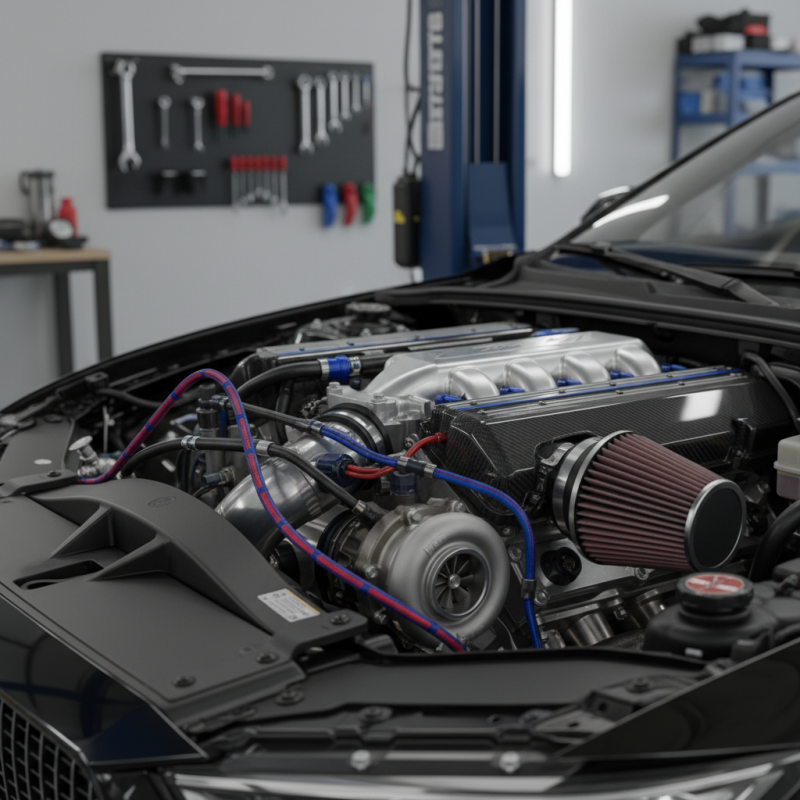
Benefits of Engine Tuning for Better Performance and Efficiency?

Overview of Engine Tuning and Its Purpose

Engine tuning plays a crucial role in enhancing vehicle performance and fuel efficiency. Its primary purpose is to optimize engine parameters, ensuring that it operates at its best. According to the Society of Automotive Engineers, well-tuned engines can improve fuel efficiency by up to 10%. This is significant, especially with rising fuel costs and environmental concerns. Proper tuning adjusts the air-fuel mixture, ignition timing, and other settings to achieve maximum efficiency.

Many vehicle owners may overlook the benefits of regular tuning. A report from the U.S. Department of Energy indicates that poorly maintained engines waste around 25% more fuel. This not only impacts wallet efficiency but also increases emissions. By addressing issues such as spark plug wear or dirty air filters through tuning, drivers can enhance their vehicle's longevity and reliability.

However, not all tuning practices are effective. Some may lean toward high-performance alterations that compromise fuel economy. This presents a dilemma for enthusiasts; the drive for power can sometimes lead to increased consumption. A balanced approach is essential. Choosing the right tuning methods can ensure optimal performance without sacrificing efficiency. This awareness is necessary for both new and seasoned drivers.

Key Benefits of Engine Tuning for Performance Improvement

Engine tuning plays a crucial role in enhancing vehicle performance and efficiency. By adjusting engine parameters, drivers can experience significant improvements. According to the Society of Automotive Engineers, well-tuned engines can achieve up to a 20% increase in horsepower and torque. This optimization not only boosts acceleration but also enhances overall drivability.

Another key benefit is fuel efficiency. A study published in the Journal of Engine Research indicates that proper tuning can increase fuel economy by 10-15%. This translates to lower fuel expenses and reduced emissions. As environments become increasingly prioritized, these gains contribute positively. It may not be perfect for every vehicle type, but the data shows promising results for many drivers.

Tips for effective tuning: Start with a comprehensive diagnostic to identify current engine performance. Ensure that the adjustments are tailored to your driving habits. Over-tuning can lead to engine stress, so balance is crucial. Regular maintenance complements these adjustments, allowing engines to perform optimally. Regular monitoring can help prevent issues, ensuring long-term benefits.

Enhancing Fuel Efficiency Through Engine Tuning Techniques

Engine tuning involves optimizing a vehicle’s engine performance. This process can significantly enhance fuel efficiency through various techniques. According to a report by the Society of Automotive Engineers, well-tuned engines can improve fuel consumption by 10% to 20%. This efficiency boost results from adjustments in fuel-air mixtures and ignition timing, among other factors.

One effective tuning technique is remapping the engine control unit (ECU). This process alters engine parameters to align with specific performance requirements. Tuning can lead to better combustion and reduced fuel waste. Engineers have documented that even minor adjustments can create noticeable gains. However, not all engines respond equally. Depending on the existing engine condition, some vehicles may see marginal improvements, while others might achieve significant efficiency gains.

Another tool in enhancing fuel efficiency is the use of quality tuning chips. These chips can optimize fuel flow and adjust driving behavior. While some users report major benefits, others may notice limited results. It’s essential to balance the tuning expectations with the vehicle’s capabilities. Each car has unique characteristics, and a universal solution does not exist. Understanding this variability is vital for achieving optimal engine performance.

Choosing the Right Engine Tuning Methods for Your Vehicle

Engine tuning can significantly enhance your vehicle's performance and efficiency. Choosing the right method is crucial. Different vehicles require different approaches. It's essential to understand your engine type and your performance goals.

Common tuning methods include ECU remapping and performance chips. ECU remapping alters the engine’s software for improved power and efficiency. Performance chips modify the fuel-air mixture for better combustion. However, each method has its challenges. For example, improper remapping can lead to engine damage. This requires careful research and expert guidance.

Consider your driving habits and vehicle use. Regular commuting may not need aggressive tuning. On the other hand, enthusiasts seeking powerful acceleration should explore advanced options. Engaging with experts can clarify doubts. They provide insights that online articles may overlook. Be cautious with DIY approaches; they can lead to unintended consequences. Successful tuning combines knowledge, experience, and precision.

Benefits of Engine Tuning for Better Performance and Efficiency

Common Misconceptions About Engine Tuning and Its Effects

Engine tuning can greatly improve a vehicle's performance and efficiency. However, many misconceptions surround this process. One common myth is that tuning only focuses on increasing power output. While adjusting an engine's settings can lead to enhanced horsepower, it also optimizes fuel efficiency. Drivers often overlook the balance between performance and economy.

Another misconception is that engine tuning is only for racing enthusiasts. In reality, everyday drivers can benefit too. Simple adjustments can lead to smoother acceleration and better throttle response. Many believe tuning is complicated, but modern tools simplify the process. Most often, it's a matter of software adjustments, making it accessible for general use.

Many worry that tuning might void warranties. While this can be true, many tuning options are compliant with manufacturer specifications. Research and careful consideration can help avoid warranty issues. Engine tuning is not a one-size-fits-all solution. Each engine is unique, and individual needs should guide adjustments. Understanding these nuances can lead to more informed decisions.

Benefits of Engine Tuning for Better Performance and Efficiency

Aspect Benefit Common Misconceptions
Power Increase Improved horsepower and torque Tuning always guarantees significant power boosts
Fuel Efficiency Better miles per gallon under optimal conditions Tuning only increases power, not efficiency
Engine Responsiveness Quicker throttle response and acceleration Tuning can negatively affect drivability
Customization Tailored settings for individual driving styles All vehicles can be tuned similarly without consideration
Longevity Potential for improved engine life when done right Tuning always shortens engine lifespan

FAQS

: What is engine tuning?

: Engine tuning optimizes vehicle performance by adjusting engine parameters for best operation.

How does engine tuning affect fuel efficiency?

Well-tuned engines can improve fuel economy by 10-15%, reducing fuel expenses and emissions.

Is regular engine tuning necessary?

Yes, regular tuning helps maintain engine health. Neglect can lead to increased fuel waste and emissions.

Can tuning methods vary for different vehicles?

Absolutely. Each vehicle requires specific tuning methods based on engine type and performance goals.

What are common tuning methods?

Common methods include ECU remapping and performance chips, each with unique benefits and risks.

Can tuning lead to engine damage?

Yes, improper tuning methods may cause serious engine issues. Research and expert advice are vital.

How does driving style impact tuning needs?

Commuters may need less aggressive tuning, while performance enthusiasts often seek more power.

Is DIY tuning advisable?

DIY tuning can lead to mistakes and unintended problems. It’s best to seek professional help for tuning.

What else should be considered when tuning?

Regular maintenance is crucial to complement tuning, ensuring engines perform optimally over time.

What if the tuning doesn’t work as expected?

Some tuning efforts may not yield the desired results. Reflecting on tuning choices can guide future adjustments.

Conclusion

Engine tuning is a process aimed at optimizing a vehicle's performance and efficiency. The primary objective of engine tuning is to enhance the overall driving experience by improving power output and responsiveness. What are the benefits of engine tuning? Key advantages include significant performance improvements, such as increased horsepower and torque, which result in a more dynamic driving experience. Additionally, proper tuning can lead to enhanced fuel efficiency, as adjustments made during the tuning process help the engine operate more effectively, reducing fuel consumption.

Choosing the right engine tuning methods is crucial for achieving the desired results while avoiding common misconceptions about tuning. Many believe that tuning is only for racing vehicles, but in reality, it can benefit any car owner looking to improve performance and fuel economy. By understanding the various tuning techniques available, vehicle owners can make informed decisions that align with their specific driving needs and goals.

Liam

Liam

Liam is a dedicated marketing professional with a profound expertise in the industry, where he excels at highlighting the unique advantages of our core products. With a keen understanding of market trends and consumer needs, Liam frequently updates our company’s professional blog, providing......