Dominion Parts
Engine lifespan is a critical concern for many vehicle owners, affecting maintenance costs and overall reliability. Several factors contribute to how long an engine will last. According to the esteemed automotive engineer, Dr. Emily Hart, "Regular maintenance can extend an engine's life significantly." This statement highlights the importance of attention to detail in vehicle upkeep.
A recent report by the Society of Automotive Engineers indicates that proper oil changes and coolant levels boost engine longevity by up to 40%. Furthermore, driving habits play a crucial role. Aggressive driving can decrease lifespan, while gentle acceleration can help preserve engine health. In a world where many overlook these factors, understanding what affects engine lifespan the most becomes vital.
There are nuances to consider. Environmental conditions, fuel quality, and engine design also impact durability. Some owners may neglect these aspects, leading to premature failures. Reflecting on these elements can prompt better engine care practices, ultimately benefiting vehicle longevity.
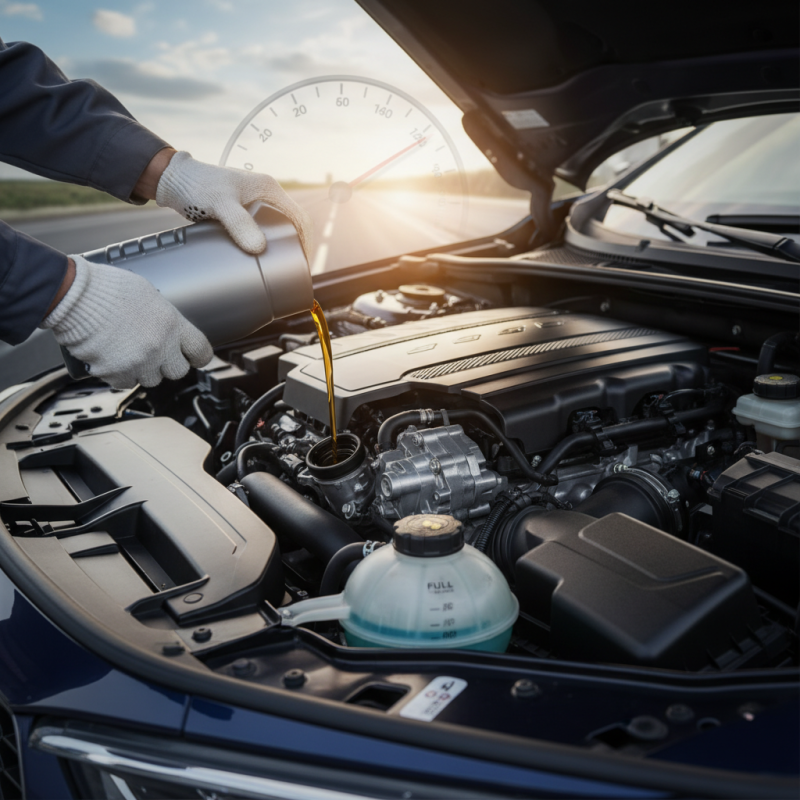
Engine design and technology play a pivotal role in determining engine lifespan. Engineers focus on materials, cooling systems, and fuel efficiency. The choice of materials directly affects durability. Advanced alloys and composites can enhance resistance to wear and high temperatures. Reports indicate that engines designed with high-performance materials can last up to 30% longer than traditional ones.
Cooling systems are equally critical. A more efficient cooling design prevents overheating, which is a leading cause of engine failure. According to industry studies, engines with optimized cooling solutions show a 20% reduction in thermal stress. These developments are essential as they mitigate common issues that shorten lifespan.
Fuel efficiency advancements also show influence. Engines that use cleaner, more efficient combustion processes tend to last longer. A significant report illustrated that modern fuel technology can extend engine life by reducing carbon buildup. Yet, challenges remain. Constant innovation leads to complexities that may introduce unforeseen stressors. Balancing performance with longevity requires ongoing research and adjustments in design. Therefore, while advances in technology hold promise, they also demand careful consideration of their long-term impact on engine lifespan.
The quality of engine materials plays a crucial role in determining durability. High-quality metals and alloys can withstand extreme temperatures and pressures. Cheaper materials may warp or degrade faster, leading to potential failures. Not all manufacturers prioritize these materials equally, which can impact longevity.
Components like pistons, camshafts, and bearings require robust materials. For example, titanium is often favored for its lightweight and strength. However, it can be expensive. Some manufacturers cut costs by using lower-grade alternatives, sacrificing lifespan for profit margins. This decision can haunt consumers later.
Lubricants are another significant factor. The type of oil used can either protect engine parts or lead to premature wear. It’s essential to follow manufacturer recommendations. Yet, many overlook this detail, thinking all oils are the same. Regular maintenance is important but often neglected. Many drivers may regret skipping this step when facing engine troubles.
Regular maintenance is crucial for extending engine lifespan. Skipping oil changes can lead to serious issues. Engine oil lubricates moving parts. Over time, it gets dirty and loses its effectiveness. Dirty oil can cause friction, leading to wear and tear. This impacts engine performance and longevity.
Tips for maintaining your engine:
Many drivers overlook these simple tasks. A neglected engine can lead to costly repairs. Keeping a maintenance schedule can prevent this. Observe signs of trouble, like unusual noises or decreased performance. Ignoring them can have dire consequences—failing parts or even total engine failure. Regular maintenance does not just save money, but it also ensures reliability.
Driving habits significantly impact engine longevity. Aggressive driving, such as rapid acceleration and hard braking, leads to increased engine wear. Engines in vehicles that are driven gently tend to last longer. Smooth driving reduces stress on the engine parts and enhances overall performance.
Tips: Regular maintenance is crucial. An oil change should be done every 5,000 miles or as recommended. This simple act can prevent serious engine damage.
Frequent short trips can affect engine life, too. When an engine does not reach its optimal temperature, it can lead to the buildup of sludge. It’s essential to take longer drives occasionally. This helps the engine burn off any accumulated deposits.
Tips: Be mindful of your driving patterns. Avoid excessive idling, as it can waste fuel and strain the engine. Slow down when you can. Remember, smooth is better than fast.
| Driving Habit | Impact on Engine Lifespan (%) | Description |
|---|---|---|
| Frequent Short Trips | 20% | Engine doesn't reach optimal operating temperature, leading to wear. |
| Aggressive Acceleration | 25% | Increased stress and heat can lead to quicker degradation. |
| Constant High RPM Driving | 30% | Overworking the engine causes more wear and tear over time. |
| Smooth Driving | 10% | Minimizes engine stress and helps maintain optimal function. |
| Regular Maintenance | 15% | Ensures engine components are in good condition, prolonging life. |
| Use of Quality Fuel | 10% | High-quality fuel reduces carbon buildup and engine deposits. |
Environmental conditions play a crucial role in determining an engine's lifespan. Various factors like temperature, humidity, and exposure to pollutants can significantly impact wear and tear. A report from the American Society of Mechanical Engineers reveals that engines operating in extreme conditions can experience up to 30% more wear than those in moderate climates. Dust and dirt can infiltrate engine parts, causing abrasions that lead to premature failure. This highlights the importance of regular maintenance.
Tips: Regularly check air filters and oil levels. Clean engine compartments to reduce dirt buildup.
Heat can be detrimental to engine performance. Elevated temperatures can cause oil to break down faster. Lubrication becomes less effective, leading to increased friction and wear. A simulation study indicated that operating in temperatures above 100°F can shorten engine life by 15%. Furthermore, high humidity can promote corrosion. Moisture can cause parts to rust, compromising reliability.
Tips: Use high-quality oil that withstands temperature variations. Keep the engine covered when not in use.
Understanding how environmental factors affect your engine is essential. It’s not enough to just monitor oil levels or listen for strange noises. Owners must adapt their maintenance practices based on climate conditions. An engine's environment can drastically change the maintenance needs. Ignoring these factors often leads to unexpected breakdowns and costly repairs.
This bar chart illustrates various environmental factors that impact engine lifespan. Higher impact levels indicate more significant effects on engine durability and longevity.
: Anxiety can cause restlessness and fatigue. You may experience rapid heartbeats or muscle tension.
Practice deep breathing exercises daily. Regular physical activity helps too. Find hobbies that relax you.
Create a bedtime routine to signal sleep. Limit screen time before bed. A warm drink can also help.
Yes, certain foods influence your mood. A balanced diet supports mental health. Sugar and caffeine might heighten anxiety.
If feelings overwhelm daily life, seek help. Persistent sadness or hopelessness is a sign. Talk to someone you trust.
Yes, many feel overwhelmed. It’s okay to seek support. Reflect on your feelings without judgment.
Limit distractions in your environment. Set clear goals and take breaks. Practice mindfulness to enhance concentration.
Strong friendships can boost mental health. They provide support and reduce feelings of isolation. Nurture meaningful connections.
Exercise releases endorphins, improving mood. It reduces stress and contributes to mental clarity. Consistency is key.
Self-care helps recharge your mind and body. Small daily actions can greatly enhance overall well-being. Reflect on your needs regularly.
The lifespan of an engine is influenced by several key factors. Firstly, engine design and technology play a crucial role, as innovative designs often enhance efficiency and durability. The quality of engine materials significantly impacts longevity; high-grade components can withstand wear and tear better than inferior ones. Regular maintenance and timely oil changes are essential practices that help prevent engine damage and prolong its operational life.
Moreover, driving habits greatly affect engine lifespan. Aggressive driving can lead to increased wear, while gentle driving promotes longevity. Lastly, environmental conditions such as temperature and humidity can contribute to engine wear. In summary, understanding what affects engine lifespan the most involves considering these diverse factors, which collectively determine how long an engine can effectively function.
