 Dominion Parts
Dominion Parts
Dominion Parts
Engine reliability is a crucial consideration in automotive engineering. Understanding what reduces engine reliability over time can help manufacturers create longer-lasting vehicles. According to Dr. Emily Carter, a leading expert in automotive engineering, "Neglecting regular maintenance can lead to severe engine issues." Her insight highlights the importance of consistent care.
Several factors contribute to declining engine performance. Over time, wear and tear, poor oil quality, and overheating can impact reliability. Engineering reports indicate that small issues, if unaddressed, can escalate significantly. For instance, worn piston rings may lead to increased oil consumption and reduced efficiency.
Moreover, driver behavior plays a role in engine longevity. Aggressive driving habits, such as rapid acceleration and hard braking, can accelerate wear. Often, drivers fail to recognize how their habits affect engine health. Thus, understanding what reduces engine reliability over time requires a comprehensive approach—one that includes proper maintenance and mindful driving practices.
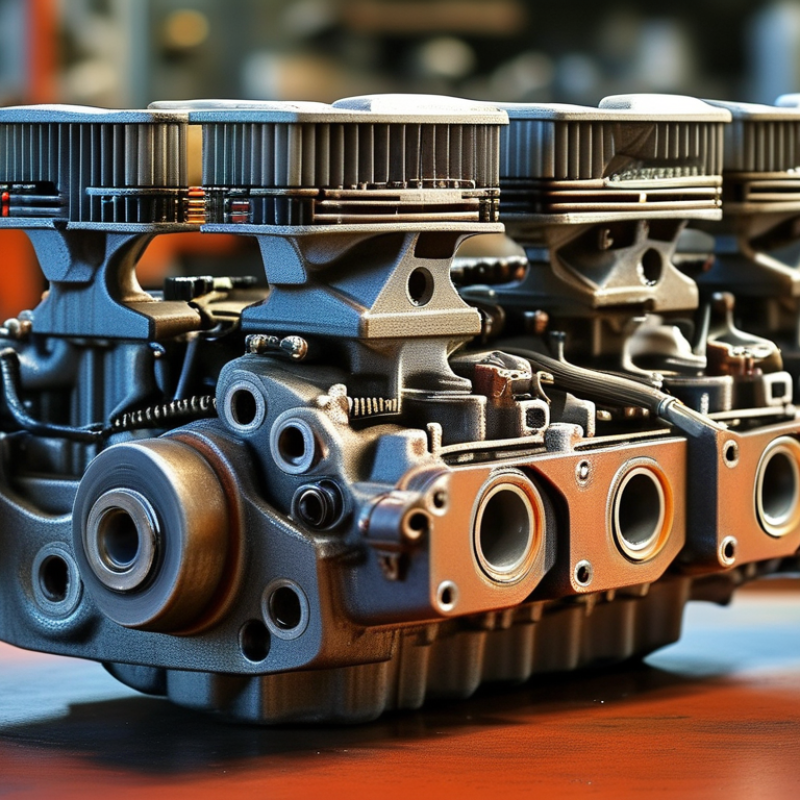
Engine reliability is heavily influenced by the degradation of materials used in engine components. Over time, components such as pistons, valves, and cylinder heads experience wear. This wear can stem from factors like thermal fatigue and corrosion. As materials break down, their mechanical properties change, leading to reduced performance and potential failures.
Lubrication plays a critical role in slowing degradation. High temperatures can cause oil to break down, reducing its effectiveness. Once lubrication diminishes, friction increases. This results in wear that could compromise engine functionality. Material selection is also vital. Certain alloys resist corrosion better than others. However, not all materials can handle extreme conditions forever.
It's crucial to monitor engine components regularly. Signs of wear include unusual noises or decreased efficiency. Ignoring these signs can lead to bigger issues down the road. Even with advanced technology, the inevitable deterioration remains a serious concern. Awareness and preventive maintenance can mitigate many problems related to material degradation. Emphasizing routine checks can prolong engine life.
| Factor | Description | Impact on Reliability | Mitigation Strategies |
|---|---|---|---|
| Fatigue | Repeated stress cycles leading to micro-cracks. | High risk of sudden failure. | Regular inspections and proper load management. |
| Corrosion | Chemical reactions leading to material loss. | Can significantly reduce component lifespan. | Use of protective coatings and regular cleaning. |
| Thermal Degradation | High temperatures causing material properties to change. | Leads to loss of strength and flexibility. | Effective cooling systems and temperature monitoring. |
| Wear and Tear | Mechanical contact leading to material loss. | Progressively decreases performance. | Use of lubricants and regular maintenance. |
| Pollutants | Contaminants causing material degradation. | Can lead to component failure. | Filtration systems and quality control measures. |
: Engine components degrade due to thermal fatigue, corrosion, and material breakdown over time.
Effective lubrication reduces friction. Poor lubrication can increase wear and compromise engine performance.
Unusual noises or decreased efficiency can signal engine wear. Ignoring these signs may lead to bigger issues.
Operating conditions like high temperatures and heavy loads can significantly reduce engine lifespan and reliability.
Running an engine close to its maximum capacity can cause fatigue, decreasing reliability over time.
Low-grade oil or neglected changes can shorten engine life. Regular oil changes can significantly extend its lifespan.
Regular inspections can identify issues early. Delaying maintenance may lead to costly repairs later.
Skipping maintenance tasks, like air filter changes, can reduce efficiency and lead to component failures.
Engines may not reach optimal temperature during short trips, leading to sludge and carbon buildup.
Proactive upkeep can prevent major failures. It’s critical to avoid cost-cutting that may harm long-term performance.
The reliability of an engine diminishes over time due to a variety of factors. One key aspect is material degradation in engine components, where wear and tear lead to decreased performance. Additionally, operating conditions such as temperature, load, and driving habits significantly impact engine longevity. Poor maintenance practices can further exacerbate reliability issues, as neglected engines are more prone to failures.
Moreover, the quality and type of fuel used play a crucial role in engine reliability reduction; inferior fuel can introduce contaminants that harm engine components. Lastly, the design and technology of the engine itself can greatly influence its durability, with certain designs being more susceptible to wear. Understanding these factors is essential to addressing what reduces engine reliability over time and ensuring optimum performance.
