Dominion Parts
When it comes to car maintenance, many drivers ask, "Why does my engine use too much oil?" This question can reveal several underlying issues. Identifying the reasons for excessive oil consumption is crucial. Ignoring this can lead to severe engine damage and costly repairs.
Oil consumption can stem from various factors. Leaks in seals or gaskets might be the culprit. Worn piston rings can also allow oil to escape into the combustion chamber. Understanding these causes is essential for effective diagnosis. Without proper investigation, you may miss the real problem and waste money on unnecessary fixes.
Many drivers overlook regular engine checks and maintenance intervals. This oversight can exacerbate oil consumption issues. Therefore, being proactive is key. Observing oil levels regularly can help you catch problems early. Trust your instincts and seek professional help when needed. Your engine's health depends on it.
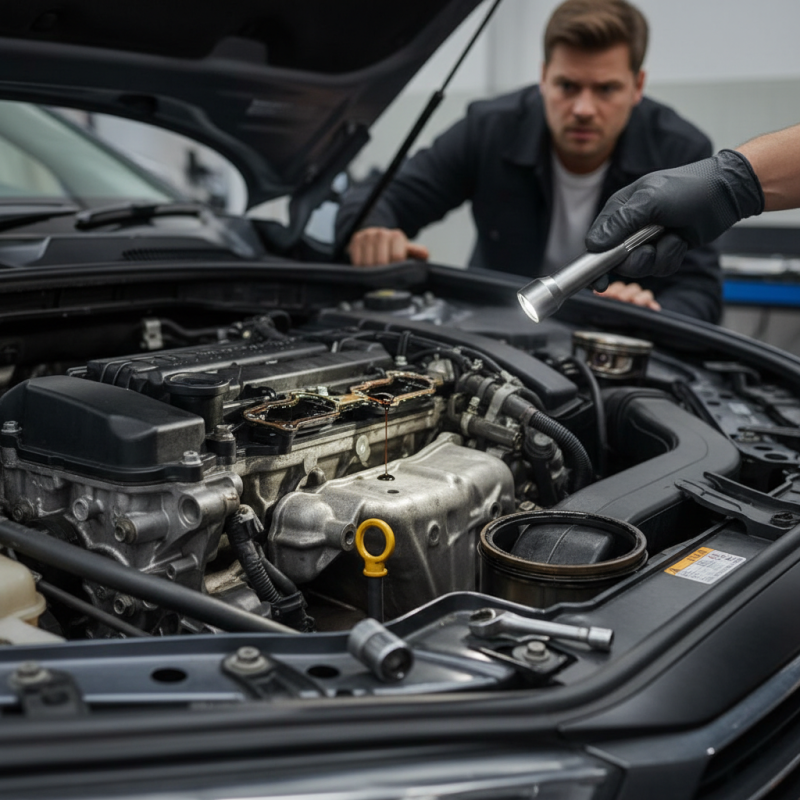
Understanding engine oil consumption is crucial for diagnosing issues. Excessive oil use can signal hidden problems. It might stem from engine wear, faulty seals, or even poor maintenance practices. Recognizing these signs involves careful observation of oil levels and engine behavior.
Tips: Regularly check your oil level. Look for drops between changes. Don't ignore any unusual smoke from the exhaust. It may indicate greater issues at play. Oil that darkens quickly could suggest contamination, often linked to poor fuel quality or inefficient combustion.
You might spot oil leaks on your driveway. Observe where the oil drips to help identify the leak's source. Using appropriate sealing compounds can sometimes address minor leaks. However, for major issues, seek advice from a professional. Ignoring oil consumption can lead to expensive repairs and engine failures. Regular maintenance and timely inspections can save you trouble in the long run.
Excessive oil consumption in engines can often indicate underlying issues. One key reason is worn piston rings. These rings are essential for sealing the combustion area. When they wear out, oil can seep into the combustion chamber. This leads to increased oil consumption and visible smoke from the exhaust.
Another common culprit is valve guide seals. Over time, seals can degrade, allowing oil to enter the combustion area. This not only raises oil consumption but can also affect engine performance. Drivers may notice reduced power or unusual noises as these issues progress.
Regular maintenance is crucial. Checking oil levels frequently helps identify significant consumption early. It’s essential to monitor for changes and address them promptly. Ignoring these signs can lead to severe engine damage. Always consult a trusted mechanic for advice when issues arise.
When it comes to engine oil consumption, knowing the signs is crucial. One primary indicator is frequent oil changes. If you find yourself topping off oil more often, it may suggest a deeper issue within the engine. Monitor the oil level closely; a rapid decline might signal a problem.
Another noticeable sign is blue smoke billowing from the exhaust. This could indicate that oil is leaking into the combustion chamber. A puff of blue smoke during acceleration? It’s a clear red flag. Consistent performance issues, like rough idling or loss of power, can also hint at excessive oil consumption. Sometimes, you may notice a burning oil smell, which is not only unpleasant but a signal for concern.
Keep an eye on oil spots under your vehicle. Puddles could signify a leak rather than general consumption. Even something as subtle as an unusually high engine temperature should not be overlooked. These signs require immediate attention, as ignoring them may lead to severe engine damage. Identifying these signs early can save you from costly repairs down the line.
Identifying oil consumption issues in your vehicle begins with observation. If you notice excessive oil levels dropping between changes, it’s crucial to investigate. Common signs include blue smoke from the exhaust and oil stains on the ground where you park. These symptoms indicate that oil is leaking or burning.
Tips for diagnosis: Check your oil levels regularly, ideally every few weeks. Keeping an eye on the color and consistency helps as well. Dark, gritty oil is a bad sign; it may indicate engine wear or contamination. Regular engine maintenance, including replacing gaskets and seals, can prevent leaks.
Observe your engine's performance too. If it runs rough or shows unusual noises, it may flag specific issues. Listen for knocking or ticking sounds; these can indicate internal damage. Engine pressure tests can also reveal issues like worn piston rings.
Pay attention to your driving habits. Frequent short trips can exacerbate oil consumption. Engaging in regular highway driving allows the engine to reach its optimal operating temperature, which can reduce oil consumption. You might need to alter your routine for better results.
| Issue | Description | Possible Causes | Diagnostics | Solution |
|---|---|---|---|---|
| Oil Leaks | Visible oil puddles under the vehicle. | Worn seals, gaskets or oil pan damage. | Inspect for leaks visually or using a dye. | Repair or replace seals or gaskets. |
| Burning Oil | Blue smoke from the exhaust, especially during acceleration. | Worn piston rings or valve guides. | Check oil level and perform a compression test. | Replace piston rings or valve guides as necessary. |
| Oil Contamination | Oil appears dirty or has an unusual color or odor. | Poor fuel quality, coolant leak, or fuel dilution. | Check oil condition and perform an oil analysis. | Change oil and address underlying issues. |
| Excessive Oil Consumption | High oil usage between oil changes without visible leaks. | Old engine, improper oil viscosity, or driving conditions. | Keep a record of oil consumption over multiple intervals. | Consider using a different oil grade or modifying driving behavior. |
Engine oil consumption can significantly impact performance and longevity. Understanding how to reduce this consumption is crucial for every vehicle owner. Studies suggest that the average vehicle can consume about 1 quart of oil every 1,000 miles. Identifying the causes early can prevent more severe issues down the road.
Regular maintenance is key. Change your oil according to the manufacturer’s recommendations. This prevents buildup and keeps your engine running smoothly. Monitor your oil level frequently. If you notice it dropping significantly, it might be time to investigate leaks or worn components.
Tip: Keep an oil usage log. Document how much oil your engine consumes over time. This can help track changes and determine when issues arise.
Another preventive measure is to use high-quality oil. Synthetic options often provide better protection than conventional oils. They resist breakdown, especially under high temperatures. Old seals can also fail if oil quality is low.
Tip: Check your vehicle's gaskets and seals. Replacing these can reduce leaks and improve oil efficiency.
Addressing these factors can enhance performance. It’s essential to stay proactive. Regular check-ups and quality care contribute to engine longevity and efficiency. In the long run, engine maintenance pays off.
: It's best to check oil levels every few weeks to catch any issues early.
Blue smoke often indicates oil leaking into the combustion chamber. It's a sign of concern.
Oil spots could suggest a leak rather than just normal oil consumption. It's important to investigate.
Frequent oil changes, performance issues, and a burning oil smell can indicate excessive consumption.
Rough idling or unusual noises, like knocking, can signal underlying oil consumption problems.
Pay attention to the oil's color and consistency. Dark, gritty oil signifies potential engine wear.
Frequent short trips may worsen oil consumption. Long highway drives can help the engine run efficiently.
Ignoring these signs might lead to severe engine damage and costly repairs later on.
Yes, an unusually high engine temperature can indicate oil-related issues that need urgent attention.
Regular maintenance like replacing gaskets can prevent leaks and reduce oil consumption over time.
Understanding why an engine uses too much oil involves recognizing key concepts related to oil consumption and identifying common causes of excessive usage. Factors such as worn engine components, poor sealing, or oil leakage can contribute significantly to increased oil consumption. By being aware of signs that indicate your engine might be using too much oil, such as low oil levels between changes or blue smoke from the exhaust, you can take timely action.
To diagnose oil consumption issues in your vehicle, you can use methods like checking for leaks, monitoring oil levels, and inspecting engine parts. Preventive measures, including regular maintenance and timely oil changes, can help mitigate problems and reduce oil usage. Ultimately, understanding "Why does my engine use too much oil" is crucial for maintaining your vehicle’s health and performance, ensuring that you address issues before they escalate.
