Dominion Parts Dominion Parts

Why Is It Important to Know How Often an Engine Should Be Serviced?

Time:2026-08-16 Author:Madeline
0%

Understanding how often an engine should be serviced is vital for vehicle longevity and performance. Regular maintenance helps prevent costly repairs and enhances safety on the road. Yet, many drivers overlook this important aspect. Engine service is not just about oil changes; it's about ensuring every component runs smoothly.

So, how often should an engine be serviced? The answer varies based on the vehicle type, mileage, and driving conditions. Some vehicles may require service every 3,000 miles, while others can go up to 10,000 miles. Ignoring this could lead to engine wear and reduced efficiency. A well-serviced engine is less likely to break down unexpectedly, which can save drivers from major inconveniences.

Drivers often underestimate the importance of this knowledge. Lack of awareness can lead to severe mechanical failures. Research shows that regular service increases a vehicle's lifespan significantly. Therefore, drivers must educate themselves about their specific engine needs. In doing so, they can make informed decisions that protect their investment.
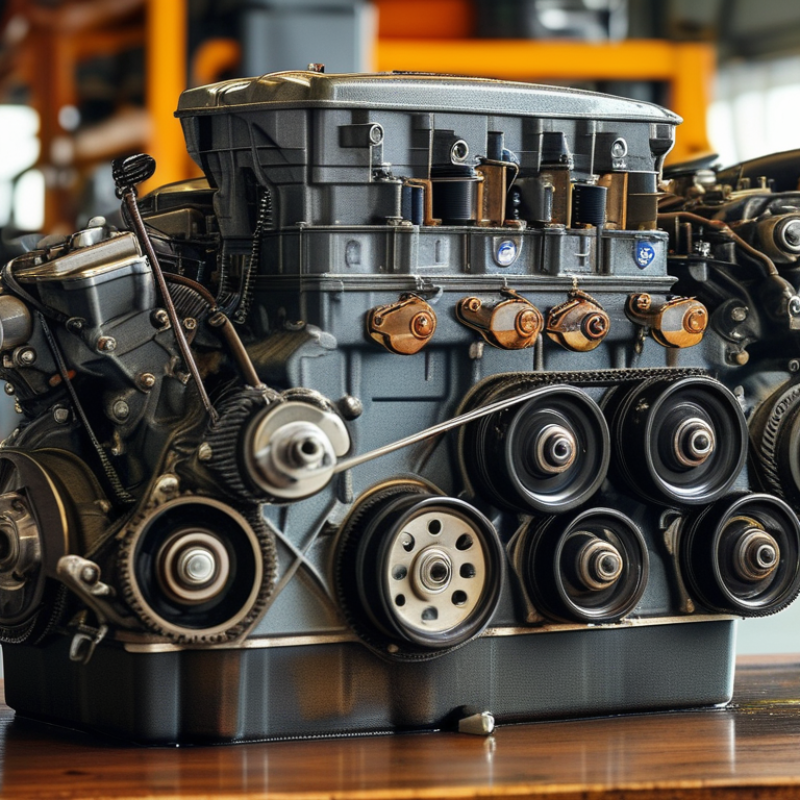
Why Is It Important to Know How Often an Engine Should Be Serviced?

Importance of Regular Engine Servicing for Vehicle Longevity

Regular engine servicing plays a crucial role in ensuring the longevity of a vehicle. Over time, engines accumulate dirt and wear. This can lead to decreased performance and efficiency. When neglected, even minor issues can escalate. A well-maintained engine runs smoothly, saving fuel and reducing emissions. Servicing also helps identify potential problems before they become severe.

It’s essential to know how often your engine should be serviced. Many factors influence this interval, including the vehicle type and driving conditions. Some drivers may not notice changes immediately, but performance may decline. Additionally, routine checks prevent costly repairs down the line. Regular service intervals encourage proactive maintenance habits that extend the engine's life.

Ignoring these intervals can lead to regret. Many drivers see servicing as an inconvenience. However, consider the consequences of poor maintenance. Repairing an ignored engine can be far more burdensome. Embracing regular service ensures your vehicle remains dependable and efficient, benefiting both drivers and the environment.

Importance of Regular Engine Servicing for Vehicle Longevity

Understanding Manufacturer Recommendations for Engine Service Intervals

Understanding manufacturer recommendations for engine service intervals is crucial for maintaining vehicle performance. These guidelines ensure that engines run efficiently and last longer. Manufacturers often specify service intervals based on rigorous testing and engineering principles. Ignoring these recommendations can lead to costly repairs and reduced safety.

Tips: Always consult your owner’s manual for specific service recommendations. Regular oil changes and fluid checks should align with the manufacturer’s schedule. This practice keeps your engine healthy and prevents major issues.

Neglecting service intervals can lead to unexpected problems. Drivers might overlook warning signs, like strange noises or poor fuel efficiency. It’s easy to forget routine maintenance when life gets busy. However, staying informed about service needs is vital. It not only protects your investment but also enhances driving safety.

Remember, a well-maintained engine offers better performance. Regular servicing can prevent minor issues from escalating. Understanding manufacturer recommendations empowers you. Stay proactive about your car’s needs for the best results.

Common Signs Indicating Your Engine Needs Servicing

Engines are complex machines. They require regular maintenance to function effectively. Ignoring service can lead to severe issues down the road. Knowing when to service your engine is crucial for its longevity.

Common signs that your engine needs attention include strange noises, like knocking or ticking. These sounds can indicate issues with internal parts. Pay attention to any fluctuations in power. If your engine stalls or struggles, it’s time to inspect it. Unusual exhaust colors, such as blue or black smoke, signal a need for servicing.

Moreover, warning lights are essential indicators. A check engine light shouldn’t be ignored. Investigate any dashboard alerts promptly. Overheating is another significant sign your engine needs help. If the temperature gauge rises unexpectedly, it’s serious. Regular checks help maintain engine health, but missing these signs can lead to costly repairs.

Why Is It Important to Know How Often an Engine Should Be Serviced? - Common Signs Indicating Your Engine Needs Servicing

Sign of Engine Trouble Frequency of Service Recommended (Miles) Potential Causes Recommended Actions
Engine Warning Light Immediately Various issues, including sensor failures Check for error codes with a diagnostic tool
Rough Idling Every 5,000 miles Dirty fuel injectors, worn spark plugs Clean fuel injectors, replace spark plugs if necessary
Decreased Fuel Efficiency Every 7,500 miles Air filter blockage, engine misfires Replace air filter and check for engine issues
Overheating Immediately Coolant leaks, radiator failure Check coolant levels and inspect cooling system
Unusual Noises As soon as detected Loose components, bearing issues Consult with a mechanic for thorough inspection

Consequences of Neglecting Regular Engine Maintenance

Regular engine maintenance is crucial for the longevity of any vehicle. Neglecting these essential services can lead to significant consequences. According to industry studies, a lack of routine checks can reduce engine lifespan by up to 50%. This not only affects the vehicle’s performance but also its resale value. A report by the American Automobile Association (AAA) estimates that overdue maintenance costs Americans billions annually in repairs and lost efficiency.

When you overlook engine care, you face potential risks like overheating or even total engine failure. Oil changes are among the most commonly neglected services. They should occur every 3,000 to 7,500 miles, depending on the vehicle type. Ignoring this can lead to sludge buildup, which can severely impact engine function. A simple oil change can cost around $50, while a complete engine overhaul might set you back $5,000.

Tip: Keep a log of your maintenance schedule. It helps to prevent missed services.

Another often-overlooked aspect is the air filter. A dirty filter can lead to poor fuel efficiency. Replacing it can improve fuel economy by up to 10%. Checking this every 12,000 miles is a wise practice. A vehicle running on a clean air filter performs much better and consumes less fuel.

Tip: Inspect fluids regularly. Low coolant or brake fluids can indicate larger issues.

How to Create a Maintenance Schedule for Your Engine

Creating a maintenance schedule for your engine is essential for longevity and performance. Regular servicing ensures your engine runs smoothly and efficiently. According to the Engine Manufacturers Association, neglecting maintenance can lead to a decrease in performance by as much as 30%. This emphasizes the need for a well-structured plan.

Start by identifying the engine's specifications and requirements. Most engines require oil changes every 3,000 to 7,500 miles, depending on the type of oil used. Regular checks of components like filters and belts should also be scheduled. Setting reminders can help keep track of these intervals.

You might face challenges in sticking to your schedule. Life can be busy, and servicing may slip your mind. However, using a digital calendar or an app can help manage this better. Also, understanding that delays can result in costly repairs or decrease engine lifespan is necessary. Collecting data on your engine’s performance over time can aid in refining your schedule as well. This is how you adapt maintenance to your specific context.

FAQS

: Why is regular engine servicing important?

: Regular servicing helps keep engines clean and efficient. It prevents minor issues from escalating into major problems.

How often should I service my engine?

Service intervals depend on vehicle type and driving conditions. Consult your owner’s manual for specific recommendations.

What happens if I neglect engine maintenance?

Neglecting maintenance can reduce engine lifespan and performance. It might also lead to costly repairs and decreased safety.

What are common neglected maintenance tasks?

Oil changes and air filter replacements are often overlooked. Skipping these can cause engine problems and poorer fuel efficiency.

How can I remember my maintenance schedule?

Keep a log of your maintenance activities. This helps track when services are due and prevents missed appointments.

What are the signs that my engine needs attention?

Watch for strange noises, poor performance, or decreased fuel efficiency. These could indicate that service is needed soon.

Can a dirty air filter affect my vehicle's performance?

Yes, a dirty air filter can reduce fuel efficiency. Changing it regularly improves performance and saves fuel.

How do I know if my fluids are at the right levels?

Regularly inspect coolant, brake fluid, and oil levels. Low fluids may signal larger issues that need addressing.

What is the cost difference between neglecting and performing routine maintenance?

Routine oil changes cost about $50, while engine overhauls can reach $5,000. Neglecting maintenance is far more expensive.

What is the most important aspect of engine maintenance?

Regular oil changes are crucial. They prevent sludge buildup and keep the engine functioning well.

Conclusion

Regular engine servicing is crucial for ensuring the longevity and optimal performance of a vehicle. Adhering to the manufacturer's recommendations for engine service intervals is essential, as it helps maintain engine health and efficiency. Drivers should be aware of common signs indicating that an engine needs servicing, such as unusual noises, decreased performance, or warning lights on the dashboard. Neglecting regular maintenance can lead to serious consequences, including costly repairs and reduced vehicle lifespan.

To effectively manage engine health, it's important to establish a maintenance schedule tailored to specific driving habits and conditions. Understanding "how often should an engine be serviced" allows vehicle owners to take proactive steps in servicing their engines, ultimately ensuring a smoother and safer driving experience. By prioritizing engine maintenance, drivers not only extend the life of their vehicles but also enhance overall reliability and performance on the road.

Madeline

Madeline

Madeline is a dedicated marketing professional with a wealth of expertise in our company's core offerings. With a keen understanding of the industry, she brings a unique perspective to her role, consistently delivering high-quality content that highlights the superior aspects of our products. As......