Dominion Parts
When it comes to maintaining your vehicle, understanding how to prevent engine wear and damage is crucial. Engines are complex machines that rely on many parts working together smoothly. Over time, friction and heat can cause significant wear, leading to costly repairs or replacements. Knowing how to care for your engine can extend its lifespan dramatically.
Regular maintenance plays a key role in keeping your engine healthy. This includes timely oil changes, which prevent dirt buildup and ensure a smooth operation. Checking fluid levels is also important. Low coolant can lead to overheating. Using high-quality parts and fluids matters too. Cheap options may save money now, but they can cause bigger problems later. Remember, prevention is often less expensive than repair.
Additionally, driving habits significantly affect engine wear. Rapid acceleration and frequent short trips can increase stress on your engine. Slow, smooth driving is gentler. However, many drivers overlook this aspect. It's easy to focus on convenience rather than care. Staying aware of your driving style can be just as important as mechanical upkeep. Small adjustments can lead to a longer-lasting engine.
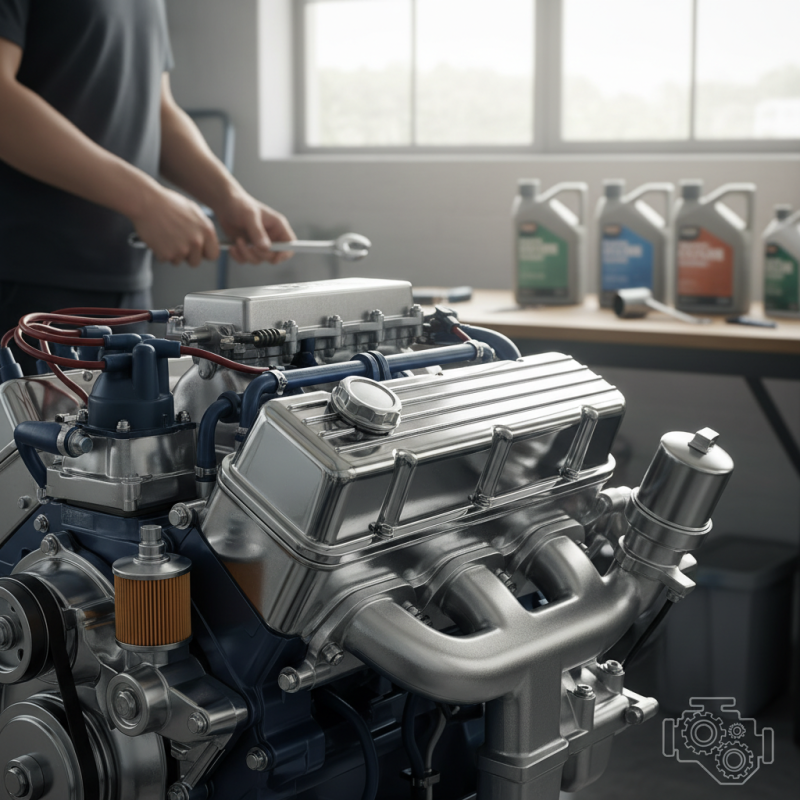
Engine wear is a critical concern for anyone looking to maintain their vehicle's health. Understanding the causes of engine wear helps in preventing costly damage. Friction plays a major role in wear. When metal parts rub against each other, tiny shavings are released. Over time, these can accumulate and cause significant issues. Inadequate lubrication accelerates this process. Oil breaks down and loses its effectiveness, leading to increased friction.
Contaminants in the oil, such as dirt and dust, also contribute to wear. They can create scratches and reduce the lifespan of engine components. Frequent oil changes can help. However, many overlook this simple maintenance step. It's easy to forget, yet neglecting it can be a costly mistake. Using low-quality oil may seem economical initially, but it can lead to long-term issues.
Heat is another enemy of engine longevity. High temperatures can warp components and cause leaks. Cooling systems need to be monitored. An overheated engine is a common cause of wear that people often ignore until it's too late. Listening to any unusual noises can provide early warning signs. Ignoring them may lead to expensive repairs down the line.
Regular maintenance is crucial for extending engine life. Check the oil level frequently. Dirty oil can lead to corrosion and buildup. Change the oil as recommended by your vehicle's manual. Skipping oil changes can be tempting, but it leads to serious harm.
Monitor the cooling system. Overheating can cause major damage. Ensure coolant levels are adequate. Look for leaks and fix them promptly. Radiator issues should never be ignored. Simple checks can prevent costly repairs down the road.
Inspect belts and hoses regularly. Cracks can lead to sudden failures. Replacing worn parts can save time and money. Listen for unusual sounds; they are often warning signs. Regular tuning can keep your engine running smoothly for years.
| Maintenance Practice | Frequency | Benefits | Notes |
|---|---|---|---|
| Oil Change | Every 5,000 - 7,500 miles | Reduces engine wear and maintains lubrication | Use high-quality oil |
| Air Filter Replacement | Every 15,000 - 30,000 miles | Improves air intake and fuel efficiency | Check in dusty conditions |
| Coolant Level Check | Check monthly | Prevents overheating and protects engine | Flush and replace every 2 years |
| Spark Plug Replacement | Every 30,000 - 100,000 miles | Ensures efficient combustion | Use OEM plugs for best results |
| Tire Maintenance | Check monthly, rotate every 6,000 miles | Enhances handling and reduces strain on engine | Maintain proper tire pressure |
Engine oil plays a crucial role in preventing wear and damage. It lubricates the engine's moving parts. This reduces friction and heat. Without proper lubrication, metal surfaces grind against each other. This can lead to serious engine failure.
Choosing the right oil isn’t always straightforward. Different engines require different oil viscosities. Sometimes, car owners overlook this detail. They might grab the first bottle they see. This can lead to poor performance and premature wear. Regular oil changes are equally important. Old oil loses its effectiveness over time. Its ability to protect your engine diminishes.
It's essential to monitor oil levels consistently. A dip in levels can suggest leaks or burning oil. Not addressing these issues promptly can result in costly repairs. Additionally, understanding the environment where you drive matters. Extreme temperatures can affect oil performance. Regular checks, alongside maintaining appropriate oil quality, can prolong engine life.
Engine longevity heavily depends on driving habits. Simple changes can minimize stress on your engine. Smooth acceleration and deceleration are key. Sudden starts or stops create unnecessary strain. Try to anticipate traffic flow. This allows you to maintain steady speeds.
Regular maintenance is crucial, but driving wisely is just as important. Check your tire pressure often. Under-inflated tires can lead to extra engine work. Avoid short trips where the engine doesn’t reach optimal temperature. This can lead to unburnt fuel, which harms your engine in the long run.
You might feel tempted to push your vehicle during rush hour. This only adds to the wear and tear. It’s better to keep your engine within its optimal RPM range. Over-revving can stress its components. Reflect on these habits periodically. Small adjustments can lead to significant benefits for your engine's health.
Engine wear can manifest in several ways. One common sign is unusual noises coming from the engine. If you hear knocking or grinding, it may indicate serious issues. You should also pay attention to smoke or excessive exhaust. Dark smoke can point to oil burning, while blue smoke suggests a potential leak. These are important signals that shouldn’t be ignored.
Another sign is decreasing performance. If your car feels sluggish or hesitates, this could be a red flag. Monitoring oil levels regularly is vital. Low oil can lead to increased friction and wear. Watch for changes in oil color as well; dark or gritty oil indicates it needs replacement.
Knowing when to seek professional help is crucial. If you notice any of these signs, don’t wait. Early intervention can save you money and extend your vehicle’s life. Finding a trusted mechanic can make a big difference. It’s better to address problems sooner rather than later, even if it means facing some uncomfortable truths about your engine’s condition.
: Users report increased convenience and improved efficiency. Many appreciate its user-friendly design. Some may find it hard to adapt.
Start by reviewing the manual. It's essential to practice regularly. Some users suggest tips that can help newcomers.
Yes, many features can be adjusted. A few may overlook this option. Customization enhances the overall experience.
Check the troubleshooting guide first. If problems persist, reach out for support. Sometimes, simple fixes are overlooked.
Most users find it safe for regular use. However, some may experience mild discomfort at first. Listening to your body is key.
Regular cleaning is crucial for longevity. Follow cleaning guidelines carefully. Neglecting maintenance may lead to issues.
To address the crucial question of how to prevent engine wear and damage, it is essential to understand the underlying causes and effects of engine wear, which can significantly reduce the lifespan of a vehicle. Regular maintenance practices, such as timely oil changes and routine inspections, play a vital role in enhancing engine longevity. Engine oil, in particular, serves as a protective barrier, minimizing friction and preventing damage.
Additionally, adopting driving habits that reduce engine stress, such as avoiding abrupt acceleration and excessive idling, can further extend engine life. Awareness of the signs of engine wear, like unusual noises or decreased performance, is important; recognizing these indicators can prompt timely professional intervention. By incorporating these strategies, vehicle owners can ensure their engines remain in optimal condition and operate efficiently for years to come.
