 Dominion Parts
Dominion Parts
Dominion Parts
Understanding engine health is crucial for every vehicle owner. What are signs of a failing engine? Recognizing the warning signs can save you time, money, and stress. According to a recent report by the Automotive Research Institute, engine failure is one of the leading causes of unexpected vehicle breakdowns, affecting nearly 25% of drivers annually.
Expert mechanic John Tanner noted, "Ignoring early signs of engine trouble is a recipe for disaster." He emphasizes the importance of being vigilant about symptoms like odd noises, overheating, and strange smells. These indicators often go unnoticed, leading to severe engine damage. Data shows that early intervention can reduce repair costs by up to 50%.
Pay attention to your vehicle's behavior. Small changes could signal bigger problems. A lack of responsiveness or unusual vibrations suggests your engine may be in danger. Don’t dismiss these signs; they require your immediate attention. Addressing potential issues early can prolong your engine life and enhance safety on the road.
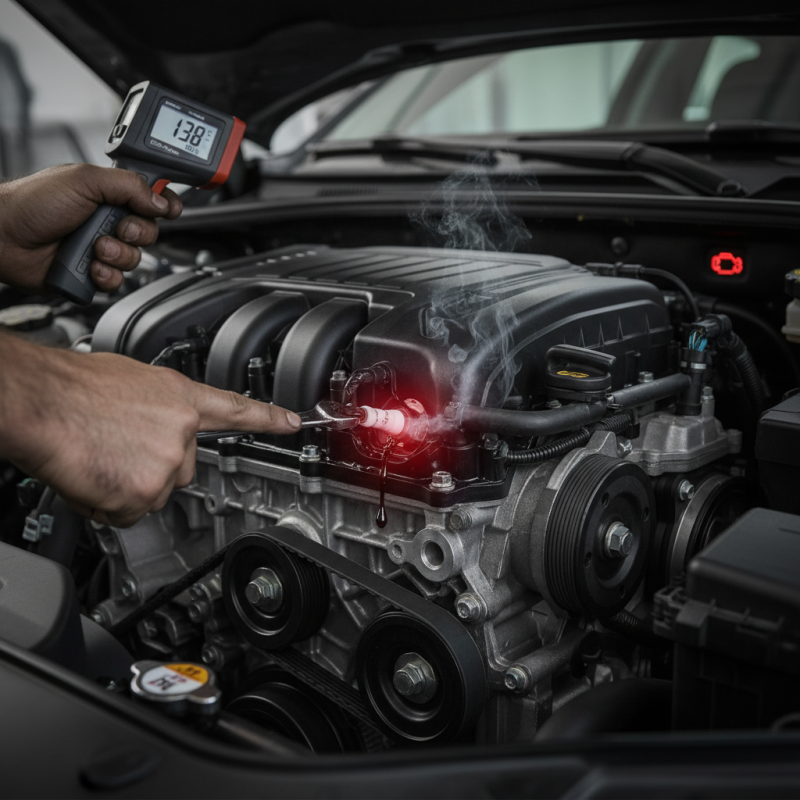
Engine failure can be daunting. Knowing the common symptoms is crucial for early detection. A study by the American Society of Mechanical Engineers indicates that over 90% of engine failures are preventable with timely maintenance.
One key symptom is unusual noises, such as knocking or grinding. These sounds can signify a range of issues, from low oil levels to internal damage. Vibration while driving is another red flag. If your vehicle shakes more than usual, it may indicate a problem with the engine mounts or related components.
Further, a sudden drop in engine performance is concerning. If your vehicle struggles to accelerate or maintain speed, it could be a sign of fuel delivery issues or air intake problems. Additionally, exhaust smoke can reveal a lot. Blue smoke often suggests oil is burning, while white smoke might indicate coolant leakage. Paying attention to these signs can save time and money in the long run.
| Symptom | Description | Possible Causes |
|---|---|---|
| Unusual Noises | Sounds like knocking, grinding, or hissing from the engine. | Worn bearings, loose components, or steam escaping. |
| Check Engine Light | Dashboard warning light indicating engine issues. | Faulty sensors, emission system problems, or engine management issues. |
| Decreased Power | Notable loss of engine power and acceleration. | Fuel delivery issues, air intake problems, or exhaust restrictions. |
| Overheating | Temperature gauge rising above normal levels. | Coolant leaks, broken water pump, or clogged radiator. |
| Excessive Smoke | Blue, black, or white smoke emitting from the exhaust. | Oil burning, fuel problems, or coolant leaks into the engine. |
| Vibrations | Unusual shaking or vibrations when idling or accelerating. | Imbalanced engine components or misaligned drivetrain. |
| Oil Leaks | Puddles or spots of oil under the vehicle. | Worn seals or gaskets, or loose engine components. |
: Skin irritations can occur due to allergies, infections, or harsh soaps. Stress may worsen these conditions too.
Use sunscreen with adequate SPF. Wear protective clothing and seek shade during peak sun hours.
Cool the burn with running water for several minutes. Cover it lightly and avoid applying ice directly.
Look for asymmetry, irregular borders, and changes in color. It’s best to consult a professional if unsure.
Dry mouth, fatigue, and dark urine are key indicators. Drinking adequate water can help maintain hydration.
Yes, nail color can change due to diet or health issues. If changes are sudden, consider seeing a healthcare provider.
Generally, once or twice a week is sufficient. Over-exfoliating can lead to irritation and skin sensitivity.
Hormonal changes, stress, and certain foods may trigger acne. Keeping skin clean can help manage it.
Create a relaxing bedtime routine. Limit screen time and keep a consistent sleep schedule for better results.
If symptoms persist, worsen, or cause significant discomfort, it’s important to consult a healthcare professional.
When considering "What are the signs of a failing engine," it's important to recognize several key indicators that can signal impending engine trouble. Common symptoms of engine failure include unusual noises such as knocking or grinding sounds, which may indicate serious issues. Additionally, motorists should pay attention to changes in engine performance and power, such as sluggish acceleration or stalling, as these can also denote potential problems.
Monitoring warning lights on the dashboard is crucial, as these alerts are designed to inform the driver of various engine malfunctions. Furthermore, signs of engine overheating, such as a rising temperature gauge or steam from the hood, should never be ignored. Recognizing these signs early can help prevent further damage and ensure the longevity of your vehicle.
