Dominion Parts Dominion Parts

Signs of a Failing Engine You Should Not Ignore?

Time:2026-02-24 Author:Mason
0%

Engines are the heart of any vehicle, and recognizing what are signs of a failing engine is crucial. According to a recent report by AAA, over 30 million drivers encounter engine problems each year in the United States alone. This highlights the importance of being vigilant about engine health.

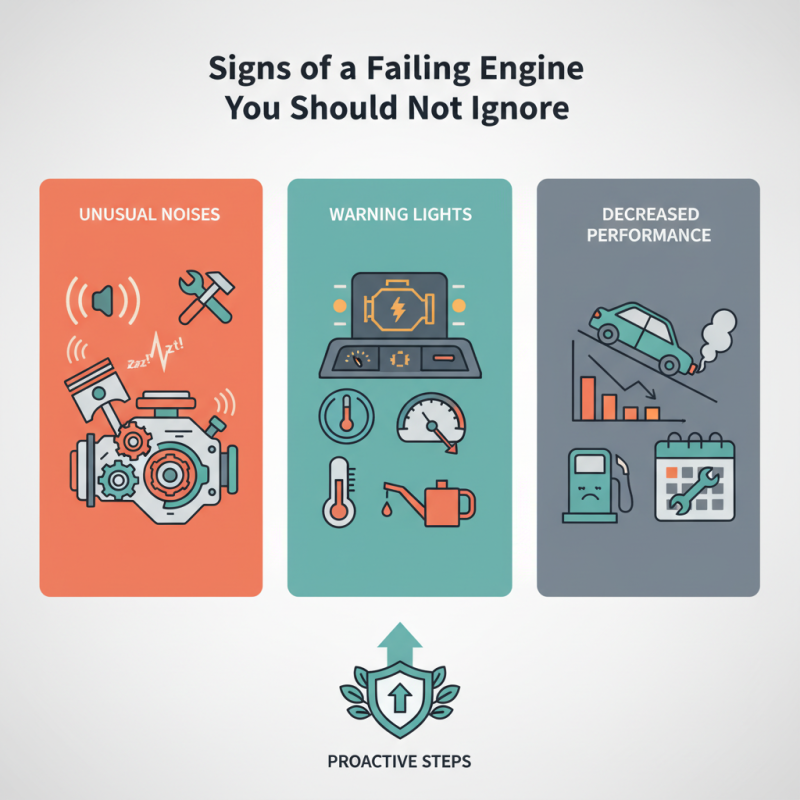
Common indicators include unusual noises, warning lights, and decreased performance. A rattling noise could signal serious internal issues, while the check engine light may often be ignored. Ignoring these signs can lead to costly repairs down the line. Additionally, the automotive industry estimates that engine failures can reduce vehicle efficiency by up to 25%.

Taking proactive steps can save drivers from inconveniences. Regular maintenance, such as oil changes, checks on coolant levels, and attention to fuel quality, can prevent engine failure. Many drivers underestimate the impact of neglect. By understanding what are signs of a failing engine, drivers can make informed decisions and enhance their vehicle longevity.
Signs of a Failing Engine You Should Not Ignore?

Common Symptoms Indicating Engine Problems to Watch Out For

A failing engine can create severe problems. It's crucial to recognize signs early. One common symptom is unusual noises. If you hear knocking or grinding, it can indicate serious issues. Don't ignore these sounds; they often signal underlying damage.

Another red flag is warning lights on your dashboard. A check engine light demands your attention. It might be something minor, but it could also be a major issue. Regularly monitoring your gauges can save you from costly repairs.

Inconsistent performance can also hint at engine trouble. If your vehicle hesitates during acceleration or stalls unexpectedly, there may be a problem. Additionally, increased exhaust smoke is a cause for concern. Dark, blue, or white smoke often indicates burning oil or coolant leaks. If you observe these signs, consider having a professional diagnosis. Stay proactive to prevent further damage.

Signs of a Failing Engine You Should Not Ignore

Unusual Noises: Recognizing Engine Sounds That Signal Issues

Unusual sounds from your engine can be alarming. These noises often indicate underlying problems that need your attention. A study by the Society of Automotive Engineers suggests that 30% of engine failures result from neglecting strange sounds. Identifying these signs early can save you from costly repairs.

Knocking or tapping noises may signal issues with engine bearings. These sounds can worsen if not addressed. Meanwhile, a whirring noise might come from a failing alternator. If your engine suddenly becomes louder, it could mean an exhaust leak. Ignoring these signs can lead to severe engine damage.

Tip: Regularly listen to your engine when idling or driving. Unexplained changes in sound can be a red flag. Additionally, getting your engine inspected frequently can help you catch problems earlier. Investigate any irregular sound to prevent escalation. Ignoring your engine's voice can have dire consequences. Keep your ears open!

Changes in Performance: Signs of a Decrease in Engine Power

When you notice a decrease in engine power, you might be dealing with serious issues. According to industry reports, nearly 30% of drivers experience reduced performance at least once a year. A common sign is a lack of acceleration. If your vehicle hesitates or struggles to speed up, it’s a crucial warning. An uninformed driver might misinterpret this as a normal fatigue of the engine, but it can signify deeper troubles.

Fuel economy is another indicator of engine performance. A decline in miles per gallon can suggest inefficiencies. The American Automobile Association (AAA) indicates that a drop of 10% or more in fuel efficiency often correlates with engine issues. Additionally, stalling can occur unexpectedly. This unsettling experience can lead to dangerous situations. It’s easy to blame external factors, but persistent stalling demands attention.

Lastly, unusual sounds from the engine can’t be overlooked. Strange noises may seem minor, but they often reflect internal damage. You might hear knocking or grinding, which indicates serious wear. Ignoring these signs often leads to costly repairs. Maintaining awareness of your vehicle’s performance is essential for safe driving. Address these changes early to ensure longevity.

Signs of a Failing Engine You Should Not Ignore - Changes in Performance: Signs of a Decrease in Engine Power

Sign Description Possible Cause Recommended Action
Decreased Acceleration The vehicle takes longer to pick up speed. Clogged fuel filter or failing fuel pump. Inspect fuel system and replace parts as needed.
Rough Idle Engine vibrates or shakes when at idle. Dirty spark plugs or faulty ignition system. Clean or replace spark plugs and check ignition components.
Loss of Power on Hills Difficulty maintaining speed while driving uphill. Engine wear or transmission issues. Have engine and transmission checked by a professional.
Increased Engine Noise Unusual sounds such as knocking or grinding. Low oil levels or damaged engine components. Check oil levels and consult a mechanic.
Poor Fuel Economy Significant drop in miles per gallon. Fuel system issues or incorrect tire pressure. Inspect fuel system and check tire pressure.

Fluid Leaks: Identifying Engine Oil and Coolant Leaks

Fluid leaks can be a significant sign of engine troubles. Identifying engine oil and coolant leaks quickly can prevent more severe damage. According to industry reports, around 10% of vehicles experience significant oil leaks. These leaks can lead to low oil levels and engine wear.

Engine oil leaks often appear as dark spots on your driveway or garage floor. If you spot them, take action. Oil is essential for lubricating engine components. A lack of oil can cause severe engine failure. Similarly, coolant leaks can lead to overheating. The coolant keeps your engine temperature within safe limits. If you notice a reddish or yellowish liquid, it could signal a coolant issue.

Regular inspection of your vehicle can help catch these problems early. In fact, the American Automobile Association (AAA) suggests checking fluid levels monthly. This simple step can save you from expensive repairs later. Ignoring these leaks could cost you more than just time and money. It could lead to an engine that is beyond repair.

Warning Lights: Understanding Dashboard Alerts for Engine Health

When it comes to engine health, warning lights on your dashboard are vital indicators. They are the first signs that something is amiss. A check engine light is often the most concerning. Ignoring it can lead to severe damage. This small light can indicate anything from a loose gas cap to more serious issues. It’s crucial to pay attention to this alert.

Other warning lights deserve attention too. The oil pressure light signifies that there could be an oil leak or a problem with your oil pump. This can quickly lead to engine failure if left unaddressed. The temperature warning light is another critical alert. It means the engine is overheating. This situation can cause significant damage if not handled swiftly.

Understanding these alerts can save you time and money. Many drivers habitually ignore lights. They hope the issue will resolve itself. Unfortunately, this approach rarely works. Engine problems don’t fix themselves. Keeping an eye on your dashboard can prevent small issues from turning into catastrophic failures. Remember, being attentive today can enhance your vehicle's longevity tomorrow.

FAQS

: What are the common reasons for using a certain product?

: Many people use it for convenience. Others appreciate its efficiency. Some seek cost-effectiveness in daily tasks.

How can I safely use the product?

Follow the instructions carefully. Avoid excess usage. Store it out of reach of children for safety.

Is it suitable for all ages?

Not necessarily. Check age recommendations. Some products are for adults only due to certain ingredients.

What should I do if I have an allergic reaction?

Discontinue use immediately. Consult a healthcare professional. Document your symptoms for future reference.

Can I use this product with other items?

Compatibility varies. Some combinations can be effective. Others may cause unexpected side effects.

What are some common mistakes users make?

Overusing the product is frequent. Not reading labels carefully can lead to issues. Always prioritize caution.

How can I tell if it’s working?

Observe changes over time. Keep track of your experiences. If no improvement, reconsider your approach.

Is there a chance of dependency on the product?

That’s a concern with many products. Reflect on your usage habits. Seek alternatives if needed.

Where should I store it?

Keep it in a cool, dry place. Ensure it’s sealed properly. Avoid areas exposed to extreme temperatures.

What if I’m unsure about using it?

It’s okay to be cautious. Research thoroughly before deciding. Talk to others or consult professionals.

Conclusion

When it comes to vehicle maintenance, understanding what are signs of a failing engine is crucial for preventing further damage. Common symptoms include unusual noises such as knocking or hissing, which can indicate serious issues within the engine. Additionally, a noticeable decrease in performance, like reduced power or sluggish acceleration, should prompt immediate inspection.

Fluid leaks are another major concern; spotting engine oil or coolant leaks can signify underlying problems that need attention. Lastly, drivers should pay close attention to dashboard warning lights, as these alerts can provide vital information regarding engine health. Recognizing these indicators early on can help mitigate costly repairs and ensure your engine remains in good working order.

Mason

Mason

Mason is a seasoned marketing professional with a deep expertise in the company's offerings and a passion for driving brand awareness. With a strong background in digital marketing strategies, he has an innate ability to connect with diverse audiences and effectively communicate product benefits.......