Dominion Parts Dominion Parts

Top Thermostat Tips for Energy Savings and Comfort?

Time:2026-03-16 Author:Isabella
0%

In today’s world, thermostats play a critical role in energy conservation and comfort at home. According to the U.S. Department of Energy, approximately 50% of a household's energy consumption is attributed to heating and cooling. With an efficient thermostat, homeowners can reduce energy bills significantly. Properly programmed thermostats can save around 10% to 30% on heating and cooling costs, emphasizing their value.

Many people overlook the importance of adjusting their thermostats. A simple adjustment of 1°F can impact energy consumption. However, not everyone is aware of how to maximize their thermostat settings. Many reports indicate that improper use could lead to wasted energy. A programmable thermostat can make a difference, yet some users struggle with programming it effectively.

It's easy to forget these small details in daily life. Homeowners often find themselves compromising either comfort or energy savings. The ideal approach balances both. Understanding thermostat functions is essential for achieving this balance, as every degree matters in the quest for efficiency and comfort.
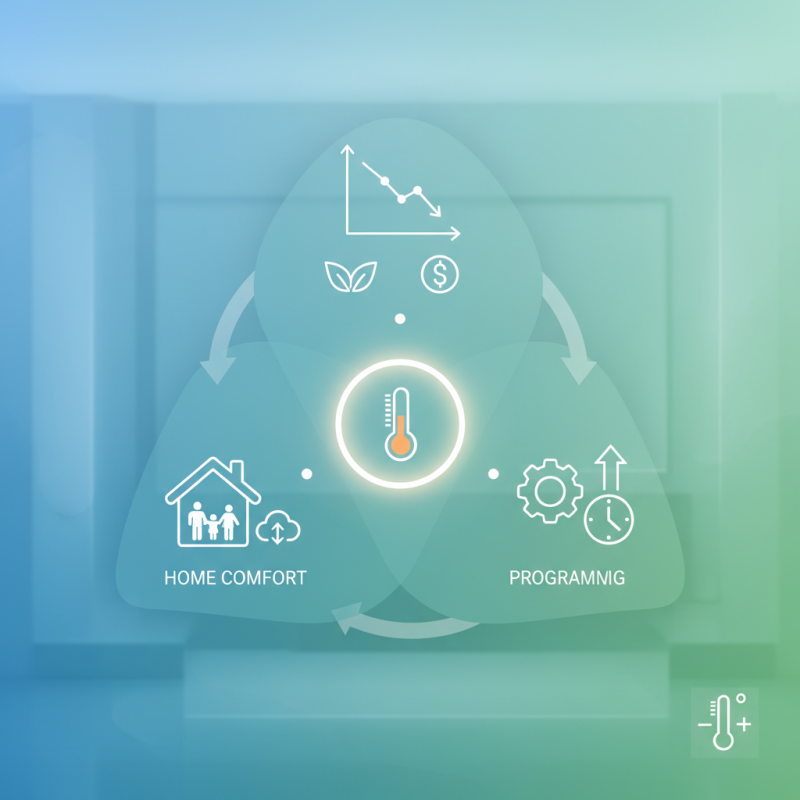
Top Thermostat Tips for Energy Savings and Comfort?

Understanding How Thermostats Work for Energy Efficiency

Understanding how thermostats work is key to boosting energy efficiency in your home. A thermostat controls your heating and cooling systems. It measures the temperature and adjusts settings accordingly. When you set a temperature, the thermostat communicates with the HVAC system. This process can seem simple, but many miss opportunities for savings.

Many homes have thermostats that are set and forgotten. Users often overlook programming options. Smart thermostats can learn your habits. They can optimize your energy use based on your routine. However, if you frequently adjust settings, these devices might not function at their best.

Temperature fluctuations are common. Drafts or poor insulation can lead to wasted energy. Regular maintenance of HVAC systems is crucial. Dirty filters can hinder performance. Sometimes, users realize their thermostat isn't calibrated correctly. Regularly checking and adjusting can greatly affect comfort and costs. Reflect on your habits. Small changes can lead to significant savings.

Optimal Temperature Settings for Year-Round Comfort

Finding the optimal temperature settings for your thermostat can significantly enhance comfort and save energy throughout the year. In winter, aim to keep your home's temperature around 68°F (20°C) during the day. At night, lower it to around 60-65°F (15-18°C). This simple adjustment can lead to lower heating bills while still keeping you warm.

During the hot summer months, set your thermostat to approximately 75°F (24°C) when you are home. When you leave, increase the temperature by 5-10°F (2-5°C). You might feel a bit uncomfortable initially, but your energy savings will be worth it. Consider using fans to circulate air instead.

Some tips to optimize your settings include regularly checking your thermostat's calibration. An inaccurate thermostat can lead to unnecessary energy usage. Also, avoid placing heat-emitting appliances near your thermostat. This can disrupt its readings. Small adjustments can make a significant difference. Ensure your home is well-insulated. If you feel drafts, it’s time to rethink your environment. Every degree matters in saving energy.

Top Thermostat Tips for Energy Savings and Comfort

Season Recommended Temperature Energy Savings (%) Comfort Level
Winter 68°F (20°C) 10-20% Comfortable
Spring 70°F (21°C) 5-15% Comfortable
Summer 75°F (24°C) 15-25% Comfortable
Fall 68°F (20°C) 10-20% Comfortable

Scheduling and Programming Your Thermostat for Savings

Proper scheduling and programming of your thermostat can significantly reduce energy bills while maintaining comfort at home. According to the U.S. Department of Energy, you can save about 10% on heating and cooling costs by adjusting your thermostat by just 7-10 degrees for eight hours a day. This means that even minor adjustments can produce noticeable savings over time.

One effective strategy is to set a program that aligns with your daily routine. For instance, if your family is out during the day, set the thermostat to a higher temperature in summer or lower in winter. The Energy Information Administration highlights that households can reduce energy consumption by about 15% when using programmable thermostats efficiently. However, many users fail to fully optimize these features. It’s common for residents to forget to change settings during weekends or holidays, leading to wasted energy.

Another consideration is ensuring that your thermostat is placed correctly. If it’s near a heat source or in direct sunlight, it may not provide accurate readings. This can result in heating or cooling more than necessary—a mistake that can be easily overlooked. Thus, regular adjustments and proper placement are critical, yet many overlook this. Embrace the challenge of making your system work for you, and you might be surprised by the levels of comfort and savings you can achieve.

Energy Savings with Thermostat Scheduling

This chart illustrates the potential energy savings from scheduling your thermostat effectively over a typical week. The data reflects the average percentage of energy savings achieved by setting specific heating and cooling schedules compared to a baseline uncontrolled setting.

Maintaining and Upgrading Your Thermostat for Maximum Performance

Upgrading your thermostat can significantly enhance energy efficiency and comfort. A smart thermostat learns your habits. It adjusts the temperature automatically. This can reduce unnecessary heating or cooling. Many models have user-friendly interfaces. They help you schedule temperatures based on your routine. A bit of research may lead you to the right choice.


Maintaining your existing thermostat is equally essential. Regularly check the settings. Dust can accumulate over time, affecting accuracy. Clean the device with a soft cloth. Ensure it’s level on the wall. A tilted thermostat can cause temperature misreadings. Consider replacing outdated models. Newer ones offer better features and improved performance. It’s worth investing time in both maintenance and upgrades.


Balancing comfort and savings can be tricky. Be mindful of your energy bills. They can offer insight into your system’s efficiency. If you notice a spike, re-evaluate your settings. Consistent monitoring can lead to better habits. Over time, small changes can yield significant savings.

Tips for Monitoring and Adjusting Usage Based on Seasonal Changes

Seasonal changes can heavily impact your energy usage. In winter, your heating system works harder, increasing energy consumption. The U.S. Department of Energy reports that adjusting your thermostat by just 7 to 10 degrees for 8 hours daily can save up to 10% on heating bills. Consider setting your thermostat at 68°F during the day when you're home. This approach balances comfort and savings.

Monitoring usage is essential. Use smart thermostats to track temperature patterns. They can learn your habits and adjust accordingly. This feature can reduce energy use in unoccupied rooms. A study by the Energy Saving Trust found that homes using programmable thermostats saved an average of 150 pounds in energy costs annually. Still, not everyone utilizes these devices effectively.

In summer, raise the thermostat to 78°F when home. Remember to close curtains and blinds. This simple adjustment keeps your space cooler without overworking your system. However, experiencing discomfort might lead to frequent changes. Reflect on these patterns. Are you adapting quickly to the seasonal shifts? Understanding your habits can improve comfort while saving energy over time.

FAQS

: How does a thermostat improve energy efficiency?

: A thermostat measures temperature and adjusts HVAC settings accordingly. This process controls energy consumption.

What happens when I forget to program my thermostat?

Forgetting to program a thermostat can lead to wasted energy. Many people miss savings opportunities this way.

How can smart thermostats optimize energy use?

Smart thermostats learn your habits and adjust settings based on your routine. Frequent manual changes can hinder their efficiency.

What temperature should I set during winter?

Aim for around 68°F (20°C) during the day and lower it to 60-65°F (15-18°C) at night for comfort and savings.

What is a suitable temperature setting for summer?

Set your thermostat to about 75°F (24°C) when home, and increase it by 5-10°F (2-5°C) when away for better savings.

How important is regular maintenance for HVAC systems?

Regular maintenance is crucial for performance. Dirty filters and poor calibration can lead to higher energy costs.

What can I do if my thermostat is inaccurate?

Regularly check your thermostat's calibration. Adjusting it can significantly improve comfort and reduce unnecessary energy usage.

Why should I avoid placing appliances near my thermostat?

Heat-emitting appliances can disrupt thermostat readings, leading to improper temperature control and increased energy costs.

How can drafts affect my energy usage?

Drafts indicate poor insulation and can lead to temperature fluctuations, wasting energy. Rethinking your environment is essential.

Can small changes really lead to savings?

Yes, small adjustments in settings and habits can lead to significant energy savings over time. Every degree matters.

Conclusion

This article emphasizes the importance of understanding how thermostats function to enhance energy efficiency in our homes. By setting optimal temperature levels throughout the year, homeowners can ensure both comfort and cost savings. Additionally, the article highlights the benefits of scheduling and programming thermostats to align with daily routines, further maximizing potential energy savings.

Regular maintenance and periodic upgrades can significantly boost a thermostat's performance, ensuring it operates effectively. Lastly, the article provides valuable tips on monitoring and adjusting settings in response to seasonal changes, allowing for continued comfort and efficiency throughout the year. Implementing these thermostat tips can lead to both environmental benefits and reduced energy bills.

Isabella

Isabella

Isabella is a dedicated marketing professional with a sharp focus on driving brand growth and engagement through strategic content creation. With an extensive background in digital marketing, she combines her passion for storytelling with her keen understanding of industry trends to deliver......