 Dominion Parts
Dominion Parts
Dominion Parts
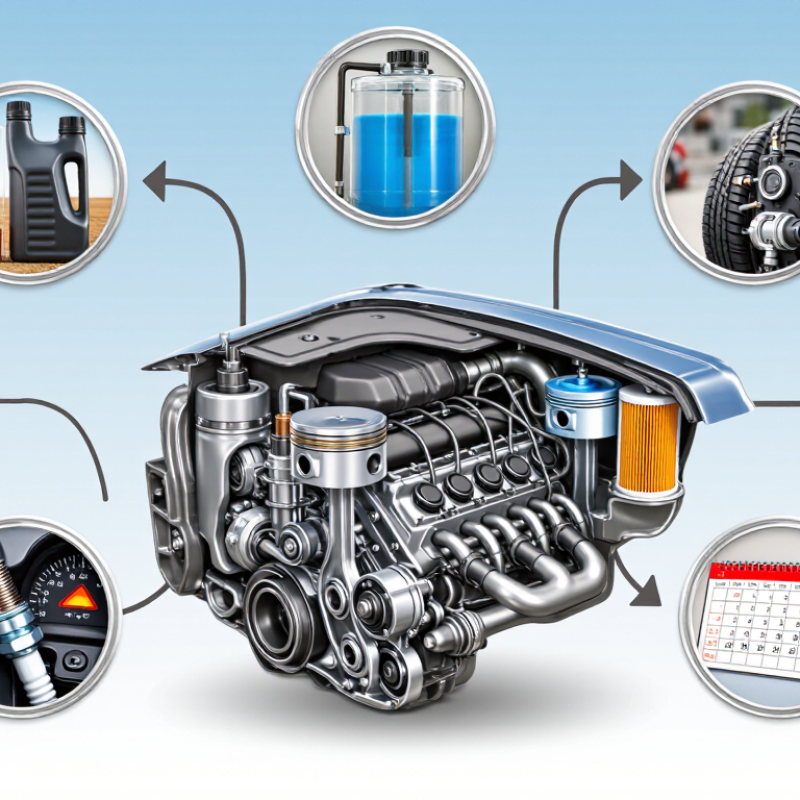
Engine performance rarely collapses without warning. It usually fades through small signals: slower starts, uneven idling, rising fuel use, or a faint metallic tick. Learning How to maintain engine performance properly means noticing these details before they become expensive repairs. A clean air filter, correct oil level, healthy coolant, and properly maintained spark plugs all support efficient combustion. However, maintenance is not merely about replacing parts on a calendar. The vehicle’s age, mileage, climate, driving pattern, and manufacturer specifications must guide every decision.
The U.S. Department of Energy’s FuelEconomy.gov reports that aggressive driving can reduce fuel economy by 10% to 40% in stop-and-go traffic. That figure connects driving habits with engine workload and operating temperature. Its maintenance guidance also emphasizes correct tire pressure, suitable motor oil, and timely repairs. AAA’s 2024 Your Driving Costs report estimated average annual maintenance and repair expenses at 9.83 cents per mile. Preventive attention may therefore protect both performance and ownership costs. Small checks matter.
Start with evidence.
The seven tips in this guide focus on practical habits: inspecting fluids, replacing filters, checking ignition components, monitoring warning lights, and following service intervals. Use a dipstick on level ground, and look for dark oil, frothy coolant, or burnt smells. These signs do not prove one fault. A qualified technician should confirm the cause with diagnostic testing. Online advice can be useful, but it can also be incomplete. Even experienced drivers miss problems. That uncomfortable truth deserves attention. Reliable maintenance combines the owner’s observations, manufacturer data, and professional inspection.
A reliable engine-maintenance routine starts with a baseline, not a guess. Record the odometer reading, fuel quantity, tire pressure, engine temperature, and recent repair history. Then scan the vehicle through its OBD-II diagnostic port. Capture stored codes, pending codes, freeze-frame data, and live readings such as coolant temperature and oxygen-sensor activity.
Keep the record simple. Use the same fuel grade, route, and filling method when possible. Calculate fuel economy after every refill: distance traveled divided by fuel added. Weather and traffic will distort results. That is normal. Still, repeated changes matter. The U.S. Department of Energy reports that aggressive driving can reduce fuel economy by up to 30 percent on highways and 40 percent in stop-and-go traffic. A calm baseline is more useful than one unusually efficient trip.
Compare the scan with the fuel log every few weeks. A new misfire code, unstable idle, or sudden fuel-economy drop deserves inspection before symptoms worsen. The U.S. Environmental Protection Agency’s OBD requirements emphasize monitoring emissions-related components, but diagnostic codes do not identify every mechanical problem. A clean scan is not proof of perfect performance. Tire pressure also matters: the Department of Energy estimates that properly inflated tires can improve fuel economy by up to 3 percent. I sometimes record too little detail, especially trip conditions. That weakness can mislead the diagnosis. Add short notes, such as “cold start,” “heavy load,” or “long uphill,” beside each result.
Record mileage, fuel added, tire pressure, engine temperature, and recent repairs. A baseline replaces guesswork. Keep it simple.
Save stored codes, pending codes, freeze-frame data, and live readings. Coolant temperature and sensor activity can reveal changes. A clean scan proves little.
Use the same fuel grade, route, and filling method when possible. Divide distance traveled by fuel added. Weather and traffic still distort results.
Aggressive acceleration and frequent hard braking can sharply reduce efficiency. Calm driving creates a more useful comparison. One perfect trip means little.
Compare fuel logs and scans every few weeks. A sudden drop, unstable idle, or new misfire code deserves inspection. Do not wait for worse symptoms.
Check the owner’s manual for the exact viscosity grade and required service category. Cold starts and hot operation need different protection. Thicker oil is not automatically better.
Match the interval to actual use. Short trips, dusty roads, towing, and long idling can contaminate oil faster. I sometimes check too casually.
After at least 30 minutes of rest, a fully charged battery may show about 12.6 volts. With the engine running, typical readings are 13.7–14.7 volts.
Measure directly at the battery posts with a calibrated digital multimeter. Test at idle, then with headlights and the cabin fan operating. Dirty probes mislead.
Low voltage may indicate charging, belt, wiring, connection, or battery problems. High voltage may indicate overcharging. Retest under recorded conditions before deciding.
How to maintain engine performance properly begins with establishing a clear maintenance baseline. Use OBD-II diagnostics to record current fault codes, operating data, and fuel economy so you can identify changes early. Choose engine oil that meets the required API SP and ILSAC GF-6A standards, while matching the viscosity grade specified by the vehicle manufacturer. The correct oil supports lubrication, cleanliness, and reliable operation under different driving conditions.
Air and fuel filters should be replaced according to the recommended service intervals, or sooner if driving conditions are especially dusty or demanding. Maintain a balanced 50/50 coolant mixture to provide protection to approximately −34°F (−37°C), and inspect the cooling system for leaks or contamination. Finally, verify the electrical system regularly: a healthy battery should measure about 12.6 volts at rest, while the charging voltage should typically remain between 13.7 and 14.7 volts when the engine is running. These consistent checks can help preserve efficiency, reliability, and long-term engine performance.
