Dominion Parts
What causes engine problems in vehicles is rarely a single question with one simple answer. Modern engines combine mechanical parts, sensors, software, fuel systems, and emissions controls. When one component fails, the effects can spread quickly. A small oil leak may become serious if ignored. A weak battery can also create symptoms that look like engine failure.
This 2026 guide examines ten common causes of engine problems in vehicles. It focuses on practical repair experience, manufacturer service information, and dependable maintenance principles. The discussion covers low engine oil, overheating, worn spark plugs, faulty sensors, fuel delivery problems, timing system damage, air leaks, neglected filters, and electrical faults. Each cause can appear differently. A clicking sound, rough idle, burning smell, or flashing warning light may provide an important clue.
Real diagnosis takes more than guessing.
A professional technician normally checks fault codes, fluid levels, compression, electrical signals, and visible damage before recommending repairs. However, no checklist is perfect. Some symptoms overlap, and a warning light does not always identify the failed part. Vehicle age, driving habits, climate, maintenance history, and previous repairs can change the outcome. That uncertainty deserves attention. It is easy to replace an expensive component too soon.
Use this overview as a starting point, not a substitute for qualified inspection. Prompt action can prevent a minor fault from becoming internal engine damage, unsafe driving, or a costly breakdown.
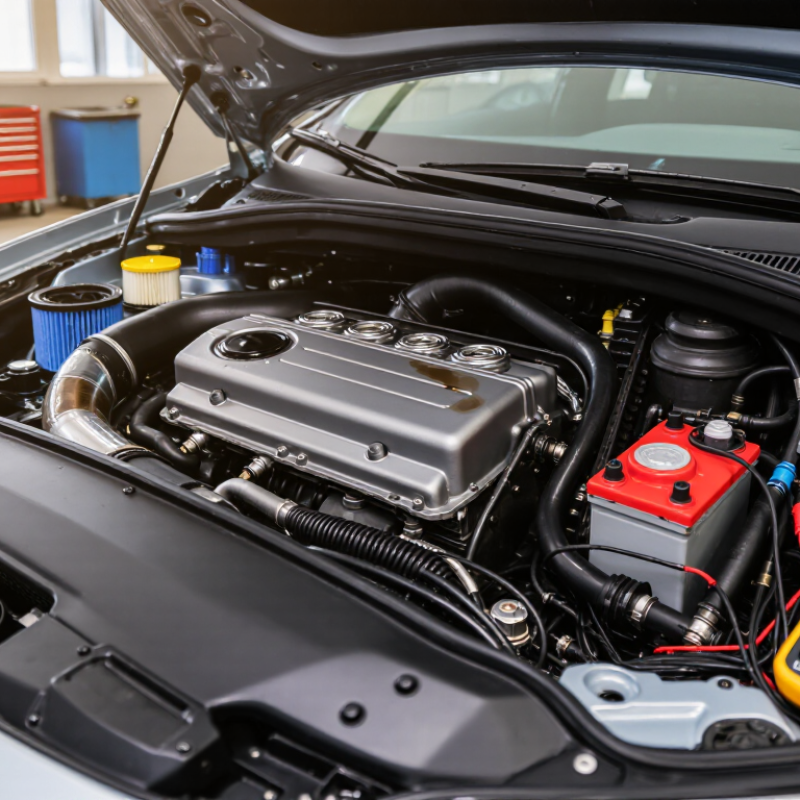
2026 Top 10 Causes of Engine Problems in Vehicles
What Counts as an Engine Problem in Modern Vehicles
An engine problem is more than a strange noise under the hood. It includes any condition that reduces power, increases emissions, wastes fuel, or threatens safe operation. Modern engines depend on mechanical parts, sensors, software, cooling systems, and precise fuel control. A fault in one area can imitate a problem in another.
Common warning signs include rough idling, difficult starting, stalling, overheating, smoke, and unusual vibration. A flashing warning light deserves immediate attention. A steady light may indicate a less urgent issue, but it still needs professional testing. Low oil pressure, coolant loss, damaged ignition parts, clogged filters, and failed sensors often appear among the top causes. However, a dashboard message alone does not identify the failed component. Diagnosis should include scan data, fluid checks, visual inspection, and, when needed, compression testing.
Tips: Record when the symptom appears. Note the engine temperature, driving speed, and recent maintenance. Stop driving if the engine overheats, loses oil pressure, or produces heavy smoke. Never rely on replacing parts by guesswork. It can become expensive quickly. I have seen minor sensor faults mistaken for major engine damage, while ignored coolant leaks caused genuine internal failure. Even experienced technicians can misread early symptoms. That is why a second inspection is sometimes worthwhile.
Fuel, air, and ignition systems must work together during every combustion cycle. A restricted fuel filter can starve the engine under acceleration. Dirty injectors may create uneven spray patterns and rough idle. Old fuel can also leave deposits inside the system. Small problems become noticeable first.
Air problems often begin with a clogged filter or a leaking intake hose. Extra air can enter without being measured correctly. The engine may then hesitate, surge, or trigger a warning light. Mechanics usually inspect hoses, airflow readings, and throttle deposits before replacing expensive parts. A sensor reading alone does not always reveal the real fault.
Ignition failures are equally disruptive. Worn spark plugs, damaged coils, or weak electrical connections can cause misfires. You may feel a sharp shudder when climbing a hill. Do not ignore it. Unburned fuel can overheat emission-control components. In my workshop experience, owners often replace plugs too quickly without checking compression or wiring. That shortcut sometimes wastes money. A careful diagnosis compares cylinder performance, fuel pressure, and ignition timing. Even experienced technicians can miss an intermittent fault, especially when the engine behaves normally during inspection.
Engine trouble often begins with three neglected systems: lubrication, cooling, and exhaust. In workshop inspections, I have seen low oil levels turn a quiet engine into a noisy one within minutes. Dirty oil can form sludge around narrow passages, starving bearings and camshaft parts. The wrong oil viscosity may also increase friction during cold starts. A clean-looking dipstick can mislead; oil condition and service history matter too.
Cooling faults create heat that metal cannot tolerate for long. A leaking hose, weak water pump, blocked radiator, or stuck thermostat can raise temperatures quickly. Repeated overheating may damage the head gasket and distort engine surfaces. Exhaust problems add another layer. A restricted converter or crushed pipe can trap pressure, reduce power, and increase engine temperature. Sometimes, the warning signs seem minor. Hesitation is easy to ignore.
Tips: Check the oil level on level ground when the engine is cool. Inspect coolant marks, hoses, and the area beneath the vehicle. Never open a hot cooling system. Watch for sweet smells, white exhaust, unusual ticking, or rising temperature readings. Record each symptom before visiting a qualified technician. I still recommend measuring pressure and flow instead of guessing, because visual checks can miss internal restrictions.
| Rank | Engine Problem Cause | Primary System | How It Causes Trouble | Common Warning Signs | Typical Severity | Preventive Action |
|---|---|---|---|---|---|---|
| 1 | Low or Insufficient Engine Oil | Lubrication | Insufficient oil increases friction and heat, reducing the oil film that protects bearings, pistons, camshafts, and timing components. | Oil-pressure warning light, ticking or knocking sounds, burning-oil smell, or rising engine temperature. | Critical | Check the oil level on a level surface regularly and investigate leaks or rapid oil consumption immediately. |
| 2 | Aged, Contaminated, or Incorrect Oil | Lubrication | Oxidized oil, sludge, fuel dilution, coolant contamination, or an incorrect viscosity can reduce lubrication performance and restrict oil passages. | Dark or milky oil, noisy valve gear, poor fuel economy, rough operation, or reduced oil pressure. | High | Use the vehicle manufacturer’s specified oil grade and replace the oil and filter at the recommended interval. |
| 3 | Coolant Loss or Cooling-System Leaks | Cooling | Low coolant reduces heat transfer and can create localized hot spots, leading to warped components, detonation, or head-gasket damage. | Temperature warning, visible coolant, sweet smell, steam, low reservoir level, or repeated overheating. | Critical | Inspect hoses, the radiator, water-pump area, expansion tank, and cooling-system pressure whenever coolant levels fall. |
| 4 | Thermostat or Water-Pump Failure | Cooling | A stuck thermostat can prevent proper coolant flow, while a damaged water pump can stop circulation and cause rapid overheating. | Temperature swings, overheating at low speed, coolant circulation problems, unusual pump noise, or heater performance changes. | Critical | Treat overheating as an immediate repair issue and replace related components according to the service schedule. |
| 5 | Blocked Radiator or Poor Airflow | Cooling | External debris, internal deposits, a damaged fan, or restricted airflow prevents the radiator from releasing engine heat effectively. | Overheating in traffic or under load, cooling fan problems, reduced air conditioning performance, or a dirty radiator face. | High | Keep radiator fins clear, verify fan operation, and use the correct coolant mixture. |
| 6 | Head-Gasket Failure | Cooling and Lubrication | A failed seal can allow combustion gases, coolant, and oil to mix, reducing compression and causing severe overheating or internal damage. | White exhaust smoke, bubbling in the coolant reservoir, milky oil, misfires, coolant loss, or persistent overheating. | Critical | Prevent overheating, maintain correct coolant levels, and stop driving if coolant and oil show signs of mixing. |
| 7 | Restricted Air Intake or Dirty Air Filter | Air Intake and Combustion | Reduced airflow can create an improper air-fuel mixture, lower power, increase fuel consumption, and contribute to deposit formation. | Poor acceleration, rough idle, reduced fuel economy, intake noise, or a restricted-airflow diagnostic code. | Moderate | Inspect the air filter and intake ducting during routine service, especially in dusty operating conditions. |
| 8 | Ignition or Fuel-System Misfire | Combustion | Worn spark plugs, failed ignition components, or fuel-delivery faults can cause incomplete combustion and send unburned fuel into the exhaust. | Flashing malfunction light, shaking engine, hesitation, hard starting, power loss, or increased fuel consumption. | High | Replace service items on schedule and diagnose a flashing malfunction warning promptly to protect the exhaust system. |
| 9 | Restricted Exhaust or Damaged Catalytic Converter | Exhaust | A blocked exhaust increases back pressure, limiting the engine’s ability to expel combustion gases and reducing power. | Severe loss of power, poor acceleration, excessive heat near the exhaust, sulfur-like odor, or stalling under load. | High | Repair persistent misfires and oil- or coolant-burning conditions before they damage exhaust components. |
| 10 | Exhaust Gas Recirculation or Emissions-System Deposits | Exhaust and Emissions | Carbon deposits or a malfunctioning exhaust-gas recirculation system can disturb airflow and combustion, causing rough running and elevated emissions. | Rough idle, hesitation, stalling, reduced power, increased smoke, or an emissions-system warning. | Moderate | Use correct maintenance procedures, address warning lights early, and inspect the system when drivability symptoms appear. |
| Note: Severity describes the potential engine-damage risk if the condition is ignored. Maintenance intervals vary by vehicle, engine design, climate, and operating conditions; always follow the vehicle service manual. | ||||||
Modern engine trouble often begins with electricity, not mechanical damage. A weak battery can lower starting voltage and confuse the engine computer. A failing alternator may create unstable voltage while the vehicle is moving. Corroded ground points can interrupt signals between sensors and control modules. These faults may cause hard starting, stalling, rough idling, or sudden warning lights.
Sensor failures create another large group of problems. Crankshaft and camshaft sensors can lose timing information intermittently. Airflow, pressure, throttle, and coolant-temperature sensors can also report inaccurate data. The computer then adjusts fuel or ignition incorrectly. A dirty connector may look like a failed sensor. That mistake is common. Careful technicians test voltage, wiring continuity, live data, and ground quality before replacing parts.
Software errors, damaged wiring, and communication failures can disrupt several systems at once. Moisture near a connector may produce strange, temporary symptoms. Fault codes help, but they do not identify every root cause. One code can reflect a wiring fault elsewhere. I have seen rushed diagnosis lead to unnecessary component replacement. A better process records symptoms, checks battery voltage under load, and compares sensor readings with engine temperature and operating conditions. Sometimes the original diagnosis still needs reconsideration.
In 2026, common engine trouble still begins with neglected oil, overheating, worn spark plugs, weak batteries, clogged filters, and timing-system wear. Fuel contamination, vacuum leaks, faulty sensors, and poor cooling-system maintenance also create costly symptoms. S&P Global Mobility reports that the average U.S. vehicle age reached about 12.6 years in 2024. Older engines need closer inspection, not guesswork. J.D. Power’s 2025 Vehicle Dependability Study recorded 190 problems per 100 vehicles, showing how reliability issues remain widespread.
Diagnosis should follow evidence. Check the oil level, coolant temperature, fluid color, and warning-light codes before replacing parts. A compression test can reveal internal wear. A cooling-system pressure test may expose a small leak near the radiator or hose connection. Listen for a sharp ticking sound during a cold start. It can indicate low oil pressure, though this is not certain. Repair decisions should follow the test results and the vehicle’s service schedule. Certified technicians should confirm major repairs, especially head-gasket or timing failures.
Tips: Change oil at the recommended interval, replace filters when restricted, and inspect belts during every service visit. Keep a maintenance log with mileage and symptoms. Do not ignore a flashing warning light. Stop safely and arrange inspection. Some habits work well, but maintenance schedules are not perfect for every driving condition. Short trips, towing, dust, and extreme heat may require earlier service. Sources: S&P Global Mobility, 2024; J.D. Power, 2025 U.S. Vehicle Dependability Study; national roadside-assistance data.
Any fault that reduces power, wastes fuel, increases emissions, or affects safe operation may count. It can involve mechanical parts, sensors, software, cooling, fuel, or ignition systems.
Watch for overheating, stalling, heavy smoke, difficult starting, rough idling, or strong vibration. Stop safely. A flashing warning light needs prompt inspection.
No. It only points toward a possible system problem. A proper diagnosis may require scan data, fluid checks, visual inspection, and compression testing.
A restricted fuel filter can reduce power during acceleration. Dirty injectors may cause uneven running and rough idling. Old fuel can leave deposits.
A clogged air filter or leaking intake hose can cause hesitation, surging, or warning lights. A sensor reading alone may not reveal the actual fault.
Worn spark plugs, damaged coils, or weak electrical connections can cause misfires. You may feel a sharp shudder while climbing a hill. Do not ignore it.
Low oil can make a quiet engine noisy within minutes. Dirty oil may form sludge and restrict narrow passages. Incorrect viscosity can increase cold-start friction.
Leaking hoses, weak pumps, blocked radiators, or stuck thermostats can raise temperatures quickly. Repeated overheating may damage internal sealing surfaces. Never open a hot cooling system.
A restricted converter or crushed pipe can trap pressure, reduce power, and raise engine temperature. Hesitation may seem minor, but it deserves testing.
Record when symptoms appear, including temperature, speed, and recent maintenance. Check oil on level ground with a cool engine. A second inspection can help; experienced technicians can still misread early symptoms.
“What causes engine problems in vehicles” is a question with many possible answers because modern engines depend on several connected systems. Fuel delivery issues, restricted airflow, and ignition failures can cause hard starting, poor acceleration, rough idling, misfires, or reduced fuel efficiency. Problems with lubrication may increase friction and wear, while cooling system failures can lead to overheating and serious internal damage. Exhaust restrictions can also reduce engine performance and increase emissions.
Electrical faults, damaged sensors, and computer control problems may disrupt fuel mixture, ignition timing, and overall engine operation. Diagnosing these issues usually requires checking warning signs, fluid levels, unusual sounds, performance changes, and stored fault information. Regular maintenance, including timely oil and filter changes, cooling system inspections, and electrical checks, can help prevent many common failures. When a problem appears, early professional diagnosis and proper repairs can reduce damage, improve reliability, and extend the engine’s service life.
