Dominion Parts
Car engines are complex machines, often showing signs of wear and tear over time. Understanding "what are common engine issues to look for" is crucial for any car owner. Many problems can arise unexpectedly, causing significant inconvenience and costly repairs.
Common engine issues include overheating, oil leaks, and strange noises. Identifying these symptoms early on can prevent further damage. For instance, an engine that overheats may indicate a failing water pump or radiator issue. An oil leak, on the other hand, could lead to low oil levels, risking engine failure. Strange noises can suggest loose components or timing belt issues, which need immediate attention.
Ignoring these issues can lead to more serious problems down the road. It's essential to be proactive, but few drivers genuinely inspect their engines regularly. Regular maintenance checks can seem tedious, yet they save money in the long run. Paying attention to the signs can make a significant difference in your vehicle’s performance and longevity. Consider developing a routine for engine inspections; it might just spare you from unforeseen breakdowns.
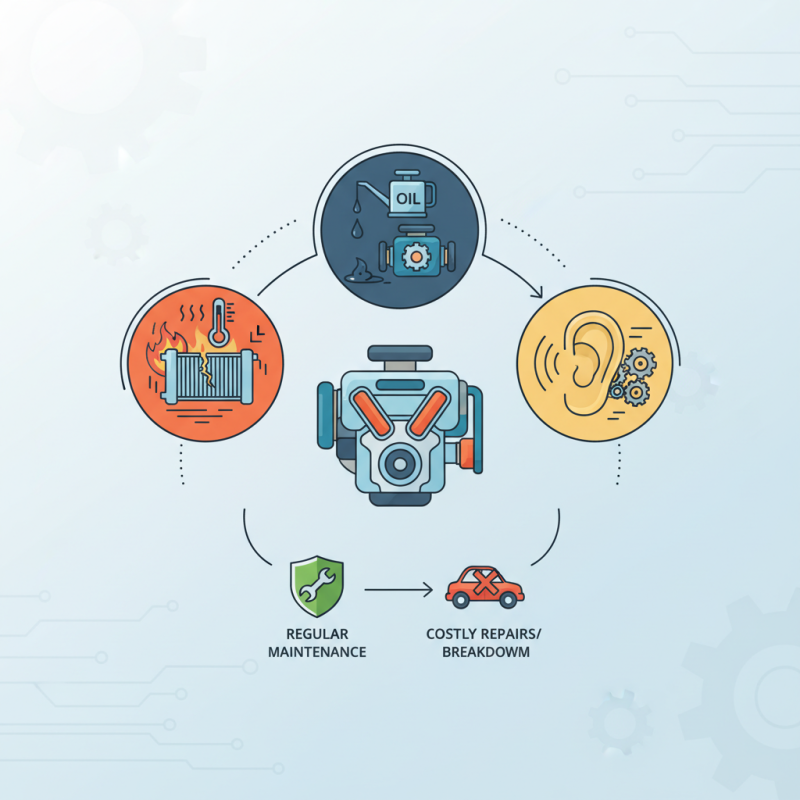
Engine issues are a significant concern in 2026. As vehicles become more complex, common problems have evolved. According to a recent industry report, over 30% of engine failures are related to inadequate maintenance. Many drivers overlook regular oil changes, leading to costly repairs. Ignoring engine warning lights is another prevalent issue.
The same report indicates that engine overheating affects nearly 20% of vehicles each year. Factors include low coolant levels and faulty thermostats. Ignoring these signs can lead to severe damage. Additionally, fuel injector problems are on the rise. Poor fuel quality is a leading cause of these issues. Regular inspections can help prevent these situations from escalating.
Another trend is the increasing prevalence of carbon build-up. This issue can affect engine performance and efficiency. Many vehicle owners do not understand the significance of this problem. A cleaner engine runs smoother and lasts longer. Regular maintenance that includes carbon cleaning is often neglected. This neglect reflects a broader trend in vehicle ownership attitudes. Many drivers assume mechanics can fix everything, overlooking their own responsibility for upkeep.
Engine problems can be tricky to diagnose. Many symptoms can signal an underlying issue. One common sign is strange noises. A knocking or ticking sound may indicate issues with internal components. Pay attention to these noises. They often get worse over time.
Another key symptom is excessive smoke. If you notice blue, black, or white smoke from the exhaust, it’s time to investigate. This can point to issues like oil leaks or fuel system problems. Ignoring these signs could lead to significant engine damage.
Overheating is a serious concern. If the temperature gauge rises, pull over immediately. Continuing to drive can cause severe damage. Be mindful of dashboard warning lights. Don’t dismiss them as mere glitches. They often indicate that something is wrong. Catching problems early can save you time and money in the long run. Recognizing these symptoms can help you maintain your engine’s health effectively.
Engine malfunctions can be a significant headache for vehicle owners. Understanding the top causes can help you avoid costly repairs. One common issue is overheating. It usually results from a failed thermostat or a leaking coolant. If your engine temperature gauge rises, stop driving immediately. Ignoring this can destroy your engine completely.
Another frequent problem is a faulty ignition system. Issues here can lead to misfires or stalling. Symptoms might include reduced power or poor fuel efficiency. A simple spark plug replacement might fix the issue. However, you should not overlook any unusual noises coming from your engine. They can signal deeper problems, such as worn bearings.
Lastly, consider checking your fuel system. Clogged fuel filters can restrict flow, causing your engine to run lean. This may lead to sluggish acceleration. Regular maintenance and early detection of these signs can save you time and money. Take care of your engine; it relies on you for its health.
Regular preventive maintenance can significantly enhance your engine's longevity and performance. According to the Automotive Service Association, nearly 30% of engine failures stem from inadequate maintenance practices. Simple checks like oil changes, air filter replacements, and coolant levels can prevent major issues. Routine inspections help you catch minor problems before they escalate into costly repairs.
Pay close attention to your engine's temperature gauge. Overheating is a common issue that many overlook. A report by the Engine Performance Research Group shows that 22% of engine failures are due to cooling system failures. Replacing worn hoses and maintaining coolant levels can avert serious damage. Also, remember to check your vehicle's spark plugs regularly. Faulty spark plugs can hinder fuel efficiency and increase emissions.
Furthermore, a clean engine is more efficient. Regularly cleaning engine components can help you spot potential issues early. Contaminants can lead to significant wear. It’s a cycle that can worsen if ignored. Ignoring odd noises or warning lights is a mistake. Delaying repairs due to perceived minor issues can be detrimental. Invest in proactive checks to mitigate risks and ensure your engine runs smoothly.
Engine design is evolving rapidly as manufacturers focus on reducing common issues. According to a recent industry report, nearly 40% of engine failures are due to overheating. This has prompted engineers to explore advanced cooling systems, improving efficiency. Better heat dissipation can significantly extend engine lifespan, addressing a central problem.
Another critical area is fuel efficiency. Conventional engines waste a lot of energy. Research indicates that alternative fuel technologies could boost fuel economy by at least 20%. This shift not only addresses environmental concerns but also tackles owner complaints about rising fuel costs. Moreover, electric and hybrid engines are gaining traction. However, there's a learning curve that manufacturers must navigate.
Moreover, predictive maintenance technologies are crucial. Data analytics can identify potential failures before they occur, saving time and resources. A study shows that predictive maintenance could reduce engine downtime by 30%. This proactive approach, however, is not foolproof. Some manufacturers still face technical challenges in integrating these systems effectively. Continuous improvement in design and maintenance practices is essential for addressing these complex issues.
: Natural ingredients can improve skin health. They often have fewer chemicals. They are generally gentler on the skin.
Check the ingredient list. Look for recognizable names. If it includes many chemicals, it may not be natural.
Many people find natural products milder. However, sensitivity varies by individual. Always test on a small area first.
Natural products can suit various skin types. However, not all will work for everyone. Monitor your skin's reaction.
Natural ingredients lack preservatives. This can make them less stable over time. Proper storage can help extend their life.
Keep products in a cool, dry place. Avoid direct sunlight exposure. Some may require refrigeration to maintain freshness.
In 2026, vehicle owners should be aware of various common engine issues that can lead to significant malfunctions. Understanding symptoms like unusual noises, decreased performance, or warning lights can help in timely identification of potential problems. What are common engine issues to look for, you might ask? These include overheating, oil leaks, and ignition failures, among others.
To combat these issues, it is crucial for vehicle owners to be informed about the top causes of engine malfunctions, such as poor maintenance and old age. Preventive maintenance practices, such as regular oil changes and timely inspections, can significantly reduce the risk of engine problems. Additionally, emerging technologies in engine design are focused on mitigating these common issues, promising a more reliable performance in the future.
