Dominion Parts Dominion Parts

What Damages an Engine the Most 7 Tips to Prevent It?

Time:2026-09-20 Author:Mason
0%

What damages an engine the most is rarely one dramatic failure. More often, small maintenance mistakes quietly create expensive damage. Low oil, overheating, dirty filters, and ignored warning lights can slowly wear an engine from the inside. A cold start may sound normal while metal surfaces receive poor lubrication. That hidden wear matters.

Experienced technicians often find the same pattern: owners check the fuel level but forget the oil level. Some continue driving after the temperature gauge rises. Others postpone a simple coolant leak until steam appears beneath the hood. These choices can turn a minor repair into damaged bearings, warped cylinder heads, or complete engine failure. The dashboard usually provides clues. It should not be treated as decoration.

This guide presents seven practical ways to protect an engine and reduce avoidable repair costs. The tips include checking fluids, replacing filters, controlling engine temperature, and respecting service intervals. They also explain why short trips, aggressive driving, and poor-quality fuel can create extra stress. Not every engine problem is caused by neglect. Manufacturing defects and unusual failures do happen. Still, consistent care gives an engine a much better chance of lasting.

A useful habit is simple. Check before driving. Look for fresh oil spots, unusual smells, or changes in engine sound. A two-minute inspection cannot prevent everything, but it can reveal trouble early. Maintenance schedules are helpful, yet real driving conditions may require earlier service. That is where many owners, including careful ones, underestimate risk.
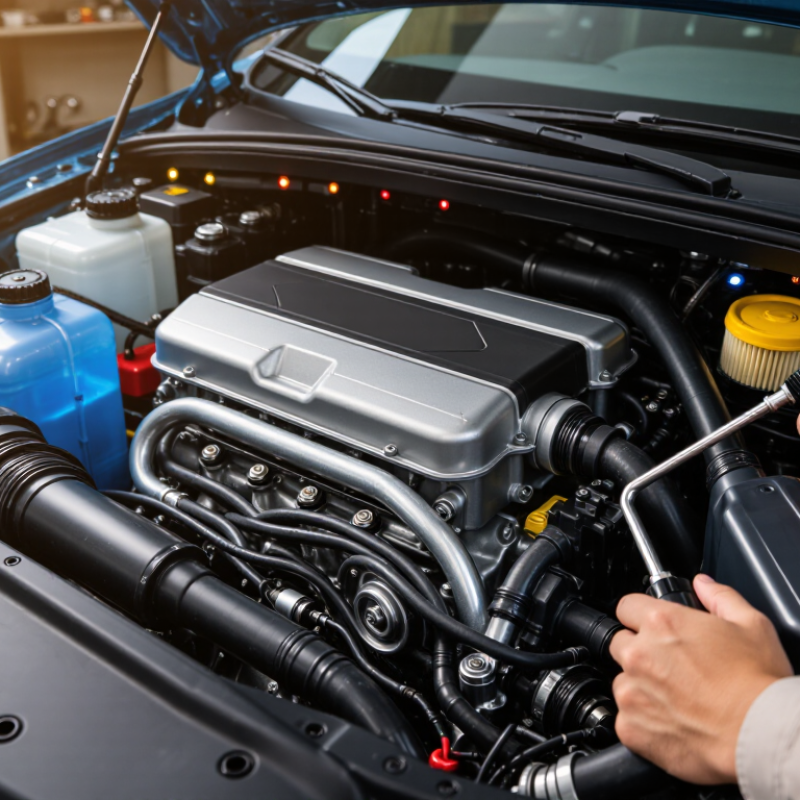
What Damages an Engine the Most 7 Tips to Prevent It?

The Most Common Causes of Engine Damage

What Damages an Engine the Most? 7 Tips to Prevent It

The Most Common Causes of Engine Damage

Low oil remains one of the most destructive engine problems. Without enough lubrication, metal surfaces scrape inside the engine. Check the dipstick weekly, especially before long trips. Change oil according to the service schedule, not only the dashboard reminder. A loose filter can also cause a slow, unnoticed leak. Field technicians often find neglected leaks beneath parked vehicles. It is easy to miss.

Overheating causes severe damage within minutes. Watch for rising temperature, steam, or a sweet coolant smell. Inspect coolant levels when the engine is cold. Never open a hot reservoir. Replace cracked hoses and damaged belts promptly. A dirty air filter can increase engine workload and fuel consumption. CarMD’s 2020 Vehicle Health Index reported an average check-engine repair cost of about $381 in the United States. Delaying a small warning can create a much larger bill. Do not ignore warning lights.

Seven practical safeguards include checking oil, coolant, hoses, belts, filters, warning lights, and service intervals. Use the correct fluids and keep maintenance records. Timing-belt failure can bend valves or stop an engine suddenly, so replacement timing matters. Short trips deserve attention because moisture and fuel residue may accumulate. The American Automobile Association reported that roughly 35 million U.S. drivers needed roadside assistance after breakdowns in 2015. That figure is older, but the lesson remains relevant. Even careful owners miss things. A quick inspection is not a perfect inspection.

What Damages an Engine the Most? 7 Tips to Prevent It

Relative engine-damage severity of the most common preventable causes, rated on a 0–100 engineering risk scale.

Severe overheating, low oil level, contaminated oil, coolant loss, detonation, neglected timing-belt replacement, and driving with warning lights can cause major internal damage. Preventive maintenance, correct fluid levels, timely belt replacement, and prompt repairs greatly reduce the risk.

Risk scores are comparative educational estimates based on the typical mechanical consequences of each condition; actual damage depends on engine design, operating temperature, load, and exposure time.

How Poor Lubrication Accelerates Engine Wear

Poor lubrication is one of the fastest ways to damage an engine. Metal surfaces need a stable oil film between them. When that film breaks, bearings, cam lobes, and piston rings rub directly.

The U.S. Department of Energy’s 2017 Tribology Report estimated that friction and wear cost the U.S. economy about $1.28 trillion annually. Its findings also suggest improved tribology could reduce national energy use by 8.6%.

These figures show that lubrication is not a minor maintenance detail.

Use the correct viscosity listed in the engine’s service manual. Check the oil level on level ground, with the engine cool. Replace the filter during scheduled oil changes. A clogged filter can restrict flow and open its bypass valve.

Watch for dark sludge, metallic particles, or a burnt smell. Those signs deserve professional inspection. Repair leaks quickly, even small ones beneath the vehicle.

Avoid aggressive driving immediately after starting, because cold oil flows slowly. Do not extend service intervals without considering traffic, dust, towing, and heat.

One mistake deserves admission: a clean-looking dipstick does not prove healthy oil. Fuel dilution and microscopic wear may remain invisible.

Used-oil analysis can measure viscosity loss, fuel contamination, coolant traces, and iron particles. Reports from the American Petroleum Institute also stress using oil that matches the engine’s required performance category.

Cheap oil is not always harmful, but the wrong specification can be. A quiet engine may still be wearing inside.

Why Overheating Can Destroy Critical Engine Parts

Overheating can destroy an engine long before smoke appears. Excessive heat weakens the head gasket, warps the cylinder head, and damages valve seals. In severe cases, pistons expand against the cylinder walls and seize. I have inspected engines where a small coolant leak became a major repair within one journey. The temperature warning was ignored. That mistake was expensive.

Tips: Check the coolant level when the engine is cold. Inspect hoses for soft spots, cracks, or dried residue. Watch the temperature gauge during traffic and long climbs. Replace damaged radiator caps promptly. Keep the radiator fins clear of dirt and insects. Test the cooling fan before hot weather. Never open a hot cooling system. Steam can burn skin quickly.

A sweet smell near the engine may indicate leaking coolant. A rising gauge deserves immediate attention, even if the vehicle still feels normal. Pull over safely, switch off the engine, and allow it to cool naturally. Pouring cold water onto a hot engine can create thermal shock and worsen damage. It may seem helpful. It is not always helpful. After cooling, check beneath the vehicle for fresh fluid, but do not crawl under an unstable vehicle. A qualified technician should pressure-test the system and inspect the thermostat, water pump, radiator, and head gasket. I sometimes underestimated how quickly heat spreads through aluminum parts. That judgment deserves more caution.

How Neglected Maintenance Leads to Costly Failures

What Damages an Engine the Most? 7 Tips to Prevent It

An engine rarely fails without warning. Neglected maintenance lets small problems combine quietly. Low oil can starve moving parts, while old coolant can cause overheating. A clogged air filter also makes the engine work harder. During workshop inspections, I have seen clean vehicles hide thick sludge beneath the oil cap. The dashboard stayed silent. That silence was misleading. A missed service may save money today, but it can turn a worn bearing, cracked hose, or damaged gasket into a costly failure.

Tip 1: Check oil and coolant levels when the engine is cold. Tip 2: Replace filters according to the service schedule, especially after dusty driving. Tip 3: Watch for leaks beneath the vehicle. Small stains matter. Tip 4: Never ignore a rising temperature gauge or unusual engine noise. I once underestimated a faint tapping sound. The repair became far more expensive than expected.

Tip 5: Inspect belts and hoses for cracks, swelling, or looseness. Tip 6: Use the correct fluids and never mix unsuitable products. Tip 7: Follow mileage and time-based maintenance intervals, even when the vehicle feels normal. Short trips deserve attention too. They can leave moisture and fuel residue inside the engine. Maintenance schedules are useful, but real driving conditions sometimes demand earlier checks.

Seven Practical Ways to Prevent Long-Term Engine Damage

Long-term engine damage often begins with small habits, not dramatic failures. Change the engine oil at the interval recommended for your vehicle and check its level weekly. Dark oil is not always dangerous, but a sharp fuel smell deserves professional inspection. I once ignored that smell and found a leaking injector had diluted the oil.

Keep the cooling system healthy. Check the coolant level only when the engine is cold, and inspect hoses for swelling, cracks, or damp spots. Never treat an overheating warning as a minor inconvenience. Stop safely and arrange a qualified inspection. Replace the air filter when it becomes clogged, especially if you drive on dusty roads. Restricted airflow can increase fuel use and reduce combustion efficiency.

Drive gently while the engine warms. Avoid hard acceleration during the first few minutes. Use the correct fuel and approved fluids, because unsuitable products can damage seals or create deposits. Pay attention to unusual tapping, smoke, vibration, or delayed starting. These signs are easy to dismiss. Do not. Have the timing system, belts, and hoses checked according to the maintenance schedule. A neglected belt may fail without much warning. Finally, keep records of services and repairs. They reveal patterns, although my own notes were once incomplete and caused unnecessary diagnostic work. A trusted technician can confirm problems that home checks cannot.

FAQS

What can neglected maintenance do to an engine?

Small issues can combine quietly. Low oil, old coolant, and clogged filters may cause severe damage. The dashboard may stay silent.

How often should engine oil be checked?

Check the oil level weekly, with the engine cold. Follow the vehicle’s service interval for oil changes. Dark oil is not always dangerous.

What does a strong fuel smell in engine oil mean?

It may indicate fuel entering the oil. This reduces lubrication and can damage moving parts. Arrange a professional inspection soon.

How should coolant be checked safely?

Check coolant only when the engine is cold. Look for low levels, damp spots, cracked hoses, or swelling. Never open a hot cooling system.

What should I do if the temperature gauge rises?

Stop safely and switch off the engine. Do not treat overheating as minor. Continuing to drive may damage gaskets or other components.

Which warning signs should never be ignored?

Watch for tapping, smoke, vibration, delayed starting, and leaks. Small stains beneath the vehicle matter. Strange sounds can become expensive repairs.

How do air filters affect engine performance?

A clogged filter restricts airflow. The engine may work harder, use more fuel, and burn fuel less efficiently. Dusty driving requires earlier checks.

Why are belts, hoses, and service records important?

Inspect belts and hoses for cracks, looseness, swelling, or dampness. Keep clear repair records to reveal patterns. My own notes were once incomplete, which caused unnecessary diagnostic work.

Conclusion

What damages an engine the most is usually not one sudden event, but a combination of poor lubrication, excessive heat, and neglected maintenance. Insufficient or contaminated oil increases friction between moving parts, accelerating wear on bearings, pistons, and other internal components. Overheating can be equally destructive, weakening gaskets, warping metal surfaces, and damaging essential engine parts. When warning signs are ignored, small problems can quickly develop into expensive and severe failures.

Long-term engine damage can be prevented through seven practical habits: check oil levels regularly, use the correct lubricant, replace filters on schedule, monitor coolant levels, keep the cooling system clean, respond promptly to unusual noises or warning lights, and follow a consistent maintenance plan. Avoiding harsh driving when the engine is cold and allowing professionals to inspect developing problems can also improve reliability. With proper care and timely attention, an engine can operate efficiently for many years while reducing repair costs and preventing avoidable breakdowns.

Mason

Mason

Mason is a seasoned marketing professional with a deep expertise in the company's offerings and a passion for driving brand awareness. With a strong background in digital marketing strategies, he has an innate ability to connect with diverse audiences and effectively communicate product benefits.......