Dominion Parts Dominion Parts

What Affects Engine Lifespan the Most in 2026?

Time:2026-11-11 Author:Charlotte
0%

What affects engine lifespan the most is rarely one dramatic failure. It is usually a pattern of small decisions repeated over thousands of miles. Oil that stays clean and at the correct level helps protect moving parts. So does fixing a coolant leak before the temperature gauge climbs. John Ibbotson, Consumer Reports’ chief mechanic, has advised drivers to follow the maintenance schedule in their owner’s manual. That practical guidance matters because service needs vary by vehicle, mileage, and driving conditions.

Short trips can leave an engine cold for much of its journey. Towing, dusty roads, long idling, and frequent stop-and-go traffic can add further strain. A neglected air filter or overdue oil change may seem minor; repeated neglect is different. Listen for new knocking, rough starting, or warning lights, and have persistent symptoms checked by a qualified technician. Keep service receipts, too. They help reveal patterns and support more informed decisions. Still, no schedule can promise a specific engine lifespan. Design, manufacturing variation, climate, and past repairs all play a part. That uncertainty is easy to overlook. This outline examines the factors owners can control, the warning signs they should not ignore, and where maintenance advice needs careful context.
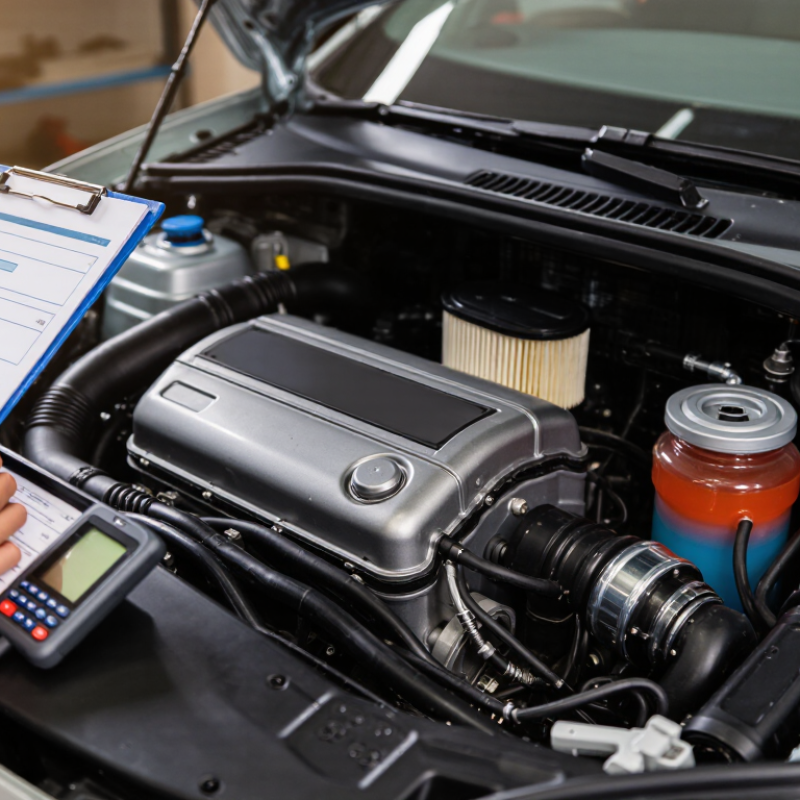
What Affects Engine Lifespan the Most in 2026?

Set the Baseline: U.S. Vehicle Age Reached 12.6 Years in 2024 (S&P Global)

In 2024, the average age of vehicles on U.S. roads reached 12.6 years, according to S&P Global. That figure sets a useful baseline for thinking about engine life in 2026: many vehicles are being kept well beyond their early years. It does not mean every engine lasts that long. Age is not mileage.

A twelve-year-old vehicle may have spent its life on gentle highway commutes, or endured years of short trips and stop-and-go traffic. Those patterns create very different conditions inside an engine. Frequent cold starts, heavy loads, overheating, and delayed oil changes can increase wear; steady maintenance can help limit it. A service record matters more than a guess based on the odometer alone.

The 12.6-year average is a population measure, not a prediction for one car. I would be careful not to treat it as proof that engines are automatically lasting longer. Some details are easy to overlook, too: a small coolant leak can quietly raise operating temperatures, while repeated short drives may leave moisture in the oil. For a specific vehicle, maintenance history, warning signs, and a qualified inspection offer more useful evidence than age by itself.

Protect Lubrication: API SQ Oils Target Wear, Deposits, and LSPI

API SQ oils are formulated to help control wear, deposits, and low-speed pre-ignition, or LSPI. These protections matter in many modern turbocharged gasoline engines. LSPI can occur when an engine works hard at low speeds, sometimes causing severe pressure spikes. Good oil helps reduce risk, but cannot prevent every cause of engine damage.

Choose the viscosity and oil category specified in your owner’s manual. The newest category is not automatically right for every engine. Check the level on the dipstick regularly, especially before a long drive. A low level can leave moving parts poorly protected. Short trips, heavy loads, and repeated cold starts may also justify more frequent oil checks or servicing.

Clean oil helps limit deposits around hot piston areas and keeps lubrication flowing through narrow passages. That benefit fades as oil ages or becomes contaminated. Follow the vehicle maker’s service schedule, adjusting for severe driving where the manual recommends it. Small details matter. It is tempting to treat a newer oil label as a cure-all; it isn’t. Correct oil, timely changes, and sensible driving work together to support engine life.

Control Heat: 50/50 Ethylene-Glycol Coolant Freezes Near −34°F

Engine life depends heavily on temperature control, and coolant plays a central role. A 50/50 mixture of ethylene glycol and water typically freezes near −34°F. Treat that figure as a guide, not a guarantee. Actual protection depends on the coolant formulation and measured concentration. A weak mixture may freeze and expand in severe cold, damaging the radiator or engine passages. In hot weather, poor heat transfer can raise engine temperatures. Small detail, serious consequences.

The balance matters. Too much glycol can transfer heat less effectively than the intended mixture, while excess water reduces freeze and corrosion protection. Use the coolant specification listed for the vehicle, and check concentration with a suitable tester rather than guessing by color. Check coolant only when the engine is cold. Never open a hot system; pressurized fluid can cause severe burns. Look for crusty deposits near hose joints, a sweet smell, or a reservoir level that keeps falling.

A 50/50 label does not prove the cooling system is healthy. A clogged radiator, worn pressure cap, failing thermostat, or trapped air can still cause overheating. It is easy to focus on the freeze number and overlook leaks or restricted flow. Follow the vehicle’s maintenance schedule, and investigate repeated temperature swings instead of topping up indefinitely. A stable gauge and steady cabin heat are useful clues, not a diagnosis.

What Affects Engine Lifespan the Most in 2026? — Control Heat: 50/50 Ethylene-Glycol Coolant Freezes Near −34°F
Factor Useful Data or Benchmark Why It Matters Practical Check
Cooling-system temperature control Engine operating temperature varies by design; many passenger vehicles operate around 195–220°F (91–104°C). Repeated overheating can damage components such as the cylinder head gasket, cylinder head, and seals. Watch the temperature gauge and address warning lights, steam, coolant loss, or repeated temperature spikes promptly.
Coolant freeze protection A properly mixed 50/50 ethylene-glycol-and-water solution typically freezes near −34°F (−37°C). Correct concentration helps protect against freezing, which can cause severe cooling-system damage. Check concentration with a suitable coolant tester and use the mixture specified in the vehicle’s owner’s manual.
Coolant concentration and condition Protection depends on the coolant type, mixture, and condition. More glycol is not automatically better; excessive concentration can reduce heat-transfer performance. Incorrect or degraded coolant may provide inadequate corrosion protection or heat transfer. Use coolant meeting the vehicle manufacturer’s specification. Do not mix incompatible coolant types.
Coolant replacement interval There is no single replacement interval that applies to every vehicle or coolant. Coolant additives can wear out over time, reducing protection for metal parts and seals. Follow the vehicle’s maintenance schedule and use the specified coolant and service procedure.
Coolant level and leaks The reservoir level should be checked according to the vehicle manual, with the engine cool. Low coolant can reduce heat removal and may lead to overheating. Look for recurring level drops, wet spots, crusty residue, or a sweet odor; never open a hot pressurized cooling system.
Radiator, fan, thermostat, and water pump These components work together to circulate coolant and release engine heat. A blocked radiator, failed fan, stuck thermostat, or worn pump can cause poor cooling even when coolant is present. Have persistent overheating, unusual noises, or weak cabin heat diagnosed rather than replacing parts by guesswork.
Oil level and oil condition Use the oil grade and change interval specified for the vehicle and its operating conditions. Engine oil lubricates moving parts and helps carry heat away from them. Check the oil level on the schedule in the owner’s manual and investigate sudden changes or oil-pressure warnings.
Driving and load Heavy loads, towing, steep climbs, and stop-and-go traffic can increase engine workload and heat production. Frequent high-load operation can place additional demands on the cooling and lubrication systems. Use the vehicle’s towing limits and maintenance guidance; respond promptly if temperatures rise under load.
Maintenance records and early diagnosis Service needs and intervals are vehicle-specific; warning signs should not be ignored. Finding small leaks or abnormal temperature changes early can help prevent more serious damage. Keep service records and arrange diagnosis for recurring coolant loss, overheating, or warning lights.
Important: A 50/50 coolant mixture’s approximate −34°F freeze point is a general reference, not a guarantee for every product or vehicle. Follow the vehicle manufacturer’s specifications. A pressurized cooling system raises the coolant’s boiling point, but the exact limit depends on the coolant and system pressure.

Limit Severe Use: DOE Estimates Idling Burns 0.25–0.5 Gallons per Hour

An engine can look healthy on the dashboard while spending long stretches idling in a driveway, loading area, or traffic queue. The fuel loss is measurable: The U.S. Department of Energy estimates that a typical passenger vehicle burns about 0.25–0.5 gallons per hour while idling, with engine size and accessory use affecting the rate. That adds up.

At the midpoint, a 20-minute wait uses roughly 0.08–0.17 gallons. Repeated daily, that becomes avoidable operating time, not useful mileage. DOE’s vehicle-idling guidance is a practical baseline, but it is an estimate, not a promise for every vehicle. Air conditioning, cold weather, engine condition, and electrical demand can shift actual consumption. Small details matter.

Long idle periods keep an engine running without moving the vehicle or reaching its normal operating load. That does not mean every idle minute causes damage. Still, repeated short trips and extended cold idling may encourage fuel dilution or deposits in some conditions. Maintenance records and the owner’s manual are better guides than a blanket rule. I would track idle time for a week, especially during warm-ups and waiting, then compare it with actual fuel use before changing habits.

Track Wear Trends: ASTM D5185 Measures Oil Metals, Not Engine Life

Engine lifespan is not a number that an oil test can predict.

ASTM D5185 uses inductively coupled plasma atomic emission spectrometry to measure metals and other elements in lubricating oil. Its method scope covers 22 elements, including iron, copper, lead, aluminum, and silicon. These readings can reveal changing wear patterns, but they do not directly measure bearing clearance, cylinder condition, or remaining engine life.

A rising iron trend may point to increased contact between steel parts; copper can come from bushings or oil coolers. Context matters. A single high result after an oil change, top-up, or repair may mislead, while repeated samples from the same interval can show a more useful direction.

ASTM D5185 also notes that particle size affects results: larger wear debris may not be fully represented by the method. That matters. Pair metal readings with oil level, operating hours, filter inspection, and a consistent sampling point.

I still find one result easy to overtrust. Treat the lab report as a trend signal, not a verdict on engine life.

FAQS

What does the average vehicle age of 12.6 years tell us about engine life?

It shows many vehicles stay on the road beyond their early years. It does not predict how long one engine will last. Age is not mileage.

Why can two vehicles of the same age have different engine wear?

One may have mostly steady highway trips. Another may face cold starts, short drives, heavy loads, or stop-and-go traffic. Their service records matter, too.

Which small warning signs can affect engine condition?

A slow coolant leak can raise operating temperatures. Repeated short trips may leave moisture in the oil. These details are easy to miss.

How should drivers choose engine oil?

Follow the viscosity and oil category in the owner’s manual. The newest category is not automatically suitable for every engine. I might have assumed otherwise.

When should drivers check the oil level?

Check the dipstick regularly, especially before a long drive. Low oil can leave moving parts poorly protected. A quick check helps.

Can newer oil prevent all engine damage?

No. Suitable oil and timely changes can help limit wear and deposits, but they cannot prevent every cause of damage.

What can a laboratory oil analysis reveal?

It can measure elements such as iron, copper, and aluminum in the oil. Repeated results may reveal changing wear patterns. One result alone can mislead.

Does an oil analysis predict how much engine life remains?

No. It does not directly measure bearing clearance, cylinder condition, or remaining engine life. Treat it as a trend signal, not a verdict.

Conclusion

What affects engine lifespan the most is the everyday balance of lubrication, temperature control, and driving conditions. With the average U.S. vehicle age reaching 12.6 years in 2024, regular maintenance matters more than any single quick fix. Modern API SQ oils are designed to help reduce wear, deposits, and low-speed pre-ignition, while timely oil changes help preserve those protective properties.

Heat and severe use also play major roles. A 50/50 ethylene-glycol coolant mixture freezes near −34°F, helping protect the cooling system in cold weather, but the system must also be maintained to manage engine heat. Long periods of idling can consume roughly 0.25–0.5 gallons of fuel per hour, adding unnecessary operating time. Used-oil analysis can track metals and reveal wear trends, but those measurements are clues—not a direct prediction of how long an engine will last.

Charlotte

Charlotte

Charlotte is a seasoned marketing professional with a deep understanding of the company's portfolio and a passion for elevating its presence in the market. With a keen eye for detail and a commitment to excellence, she ensures that our professional blog is regularly updated with insightful articles......