Dominion Parts Dominion Parts

Why Is Cold Starting Bad for an Engine?

Time:2026-09-25 Author:Charlotte
0%

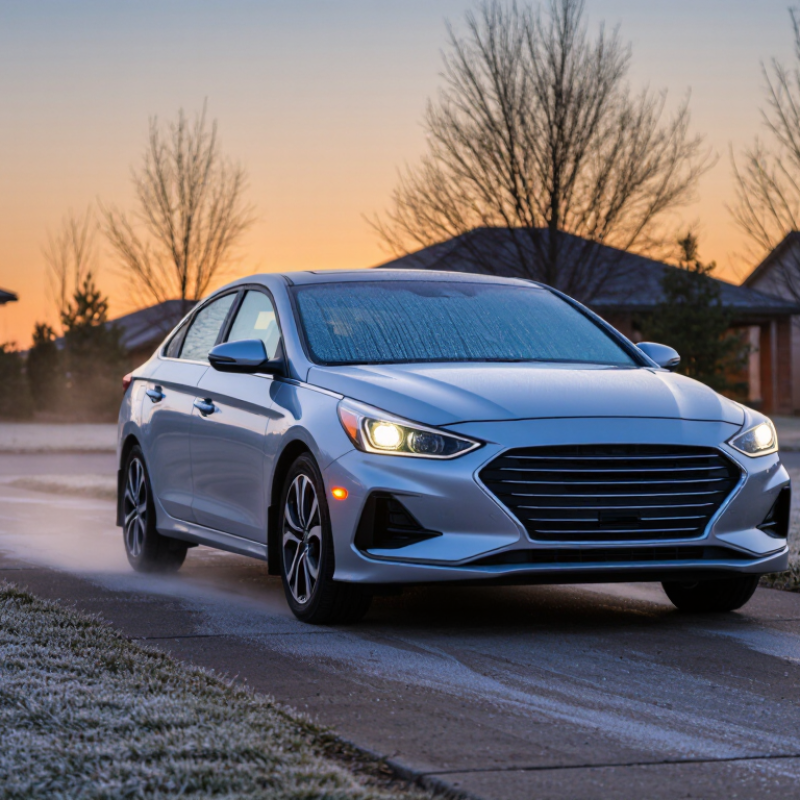
On a cold morning, an engine may sound rough for a few seconds after you turn the key. The oil has settled, metal parts are cool, and the battery is working harder than usual. Why is cold start bad for engine? The main concern is not one brief start, but repeated cold starts followed by hard acceleration or very short trips. At low temperatures, oil flows more slowly at first, so moving parts may take a little time to receive full lubrication. The engine may also use extra fuel while warming up. Small details matter. A frosty windshield, a quiet driveway, and a short commute can all be part of the same routine.

Cold starts are normal, and a well-maintained engine is designed to handle them. They do not automatically cause serious damage. Still, frequent cold running can increase wear and allow moisture and fuel residues to build up in the oil, especially when the engine rarely reaches operating temperature. It is easy to overstate the danger; one cold start is not a mechanical emergency. The practical habit is simple: start the car, allow a brief moment for the engine to settle, then drive gently. Avoid high revs and heavy throttle until the engine warms. Follow the owner’s manual, since recommended warm-up practices vary by vehicle. If cold starts bring persistent knocking, warning lights, or unusually long cranking, have the vehicle checked by a qualified technician. The sound may be harmless. Or it may be a clue worth investigating.
Why Is Cold Starting Bad for an Engine?

What Qualifies as a Cold Start?

A cold start means starting an engine after it has cooled close to its surroundings. It is not defined by a single outdoor temperature. A car can have a cold start on a mild morning after sitting overnight; a recently driven car may not, even on a frosty day. The key detail is the engine’s temperature, not just the weather.

The U.S. Environmental Protection Agency’s FTP-75 emissions procedure gives the term a precise test meaning: vehicles are soaked for at least 12 hours at 20–30°C before testing begins. That controlled setup helps measure emissions during startup and early driving. Real-world cooling varies with parking, wind, engine design, and how long the vehicle sits, so the test definition is not a universal everyday cutoff. The U.S. Department of Energy and EPA report that conventional gasoline-car fuel economy can be about 15% lower at 20°F than at 77°F, and up to 24% lower on short trips. Those figures describe cold-weather driving, not cold starts alone.

Tips: After an overnight park, start gently and drive smoothly. A cold engine may idle unevenly for a moment. Give it a little time, but avoid long idling; the exact warm-up varies.

How Low Temperatures Affect Engine Oil and Fuel

Why Is Cold Starting Bad for an Engine?
How Low Temperatures Affect Engine Oil and Fuel

On a frosty morning, the starter may turn more slowly, and the engine can sound rough for a few seconds. Cold oil becomes thicker, so it takes longer to circulate through narrow passages and reach moving parts. That takes time. During this brief period, some surfaces receive less immediate lubrication than they do after the engine warms. One cold start is not usually a crisis, but repeated short trips can keep the engine cold and increase wear over time.

Low temperatures also make fuel harder to vaporize. To keep the engine running smoothly, its control system may supply a richer mixture at startup. That can mean higher fuel use until the engine warms, especially on a very short drive. It is tempting to blame every rough start on oil, but cold fuel, a weak battery, and other issues can also play a part. The details matter.

Tips: Start the engine, give it a few seconds, then drive gently instead of revving hard. Avoid long idling; light driving usually warms the engine more effectively. Check that your oil matches the vehicle maker’s temperature guidance. If rough starting continues after warm weather returns, have the cause checked rather than guessing.

Why Cold Starts Challenge an Engine

Cold oil is more viscous, so it can take longer to circulate during startup. The bars show the SAE J300 maximum cold-cranking viscosity limits: each grade is tested at a different temperature, so these figures are specification limits—not a direct comparison at one shared temperature. Cold conditions also reduce fuel evaporation, making stable combustion harder until the engine warms up.

What Happens Inside the Engine During Startup?

When the key turns, the oil pump has to move lubricant from the sump through narrow passages. Cold oil is thicker, so it can take a few seconds to circulate fully. A protective film remains on many parts, but some contact points briefly receive less fresh oil. It is a small window, not an instant engine failure.

Inside the cylinders, the pistons, rings, and cylinder walls are also colder than their normal operating temperature. Their clearances change as metal warms and expands. Meanwhile, a gasoline engine may use a richer fuel mixture to keep combustion steady. Some unburned fuel can reach the cylinder walls and thin the oil film, especially after repeated short trips. Not ideal.

Cold combustion also leaves more moisture and other byproducts in the engine. A longer drive helps the oil and exhaust system warm up, allowing some moisture to evaporate. A quick idle in the driveway may not do that. The awkward detail is that “cold” varies widely: a chilly morning and a deep-freeze start do not stress the same parts equally. Even so, repeated starts followed by brief trips can keep an engine from spending much time fully warm.

Why Is Cold Starting Bad for an Engine? — What Happens Inside the Engine During Startup?
Engine area or stage What happens during a cold start Why it matters Practical takeaway
Engine oil before startup Cold oil is more viscous and flows less readily than warm oil. Oil takes time to circulate through the engine after it starts, so moving parts may have less immediate lubrication than they do at operating temperature. Use the oil viscosity specified in the owner’s manual, especially in cold climates.
First seconds of operation The oil pump begins circulating oil, while the crankshaft, bearings, camshaft, and other components start moving. Contact and friction are greatest before oil circulation and temperature stabilize. Repeated cold starts can add to cumulative engine wear. Start the engine and drive gently rather than revving it hard while it is cold.
Fuel delivery and combustion A cold engine may need a richer fuel mixture to start and run smoothly. Fuel may vaporize less readily on cold surfaces. Some fuel can fail to burn completely, increasing emissions and, in some conditions, contributing to fuel dilution of the oil. Avoid prolonged idling; gentle driving helps the engine warm up under moderate load.
Metal components and clearances Engine parts contract as they cool. Different components warm and expand at different rates. Operating clearances are designed for a range of temperatures, so cold operation is not the same as operation at normal temperature. Do not demand full power until the engine has warmed up.
Water vapor and exhaust Combustion produces water vapor. A cold exhaust system can cause some of that vapor to condense inside the exhaust. Short trips may not keep the exhaust hot long enough to evaporate accumulated moisture, which can contribute to corrosion over time. When practical, combine short errands into a longer trip that allows the vehicle to reach normal operating temperature.
Battery and starter Low temperatures reduce a battery’s ability to deliver current, while cold engine oil increases the effort needed to turn the engine. The battery and starter face greater demands during a cold start, especially if the battery is already weak. Keep the battery in good condition and have it checked if starting becomes slow or difficult.
Warm-up and driving The engine and other vehicle systems warm at different rates; the coolant-temperature display does not necessarily mean every component is fully warm. Hard acceleration or high engine speed while components are still cold can increase mechanical stress. Drive smoothly until the vehicle is fully warmed; follow the vehicle manufacturer’s guidance.
Note: The effects of a cold start depend on ambient temperature, engine design, oil specification, vehicle condition, and trip length. A cold start is a normal operating condition; the main concern is repeated harsh operation or frequent short trips that prevent the engine and exhaust from warming fully.

How Cold Starts Increase Wear and Emissions

Why Is Cold Starting Bad for an Engine?

How Cold Starts Increase Wear and Emissions

When an engine is cold, its oil is thicker and takes time to circulate fully. For a brief period, some moving parts receive less lubrication than they do at normal operating temperature. Repeated cold starts can add wear, especially when a car is started often for short trips and never warms up properly. The effect is gradual. It is easy to overstate the risk, though: one chilly morning usually does not damage a well-maintained engine.

Cold engines also burn fuel less efficiently. The engine may use a richer fuel mixture while warming, and combustion can be less complete. That means higher emissions during the warm-up period. A short drive in cold weather may end before the engine and exhaust system reach their effective operating temperatures.

Tips: Start the engine, allow a brief moment for the oil to circulate, then drive gently. Avoid hard acceleration until the temperature rises. Long idling usually warms the engine slowly and uses extra fuel. Check the owner’s manual for guidance, and keep up with oil changes using the specified oil. Frequent short trips are difficult to avoid for some drivers, but combining errands can reduce repeated cold starts.

Which Factors Make Cold Starts More Harmful?

Why Is Cold Starting Bad for an Engine?

Which Factors Make Cold Starts More Harmful?

Low temperatures change how an engine’s parts and fluids behave. Engine oil thickens, so it may take longer to circulate after startup. During those first moments, some surfaces receive less protection than they do once the engine is warm. The effect depends on the oil, engine design, temperature, and maintenance. It is not the same for every vehicle.

Very cold weather can make this delay more pronounced. The engine also needs a richer fuel mixture to run smoothly, and repeated short trips may leave some fuel in the oil. Moisture is another factor. Combustion creates water vapor, which can condense inside a cool engine and contribute to corrosion if the oil rarely gets hot enough to evaporate it. Short drives matter.

Driving habits can increase the strain. Revving hard or accelerating sharply right after startup puts extra demand on parts before the oil has warmed and circulated fully. A gentler approach helps: start the engine, allow a brief moment for it to settle, then drive moderately. Long idling is not a perfect fix, either; it warms the engine slowly. The uncomfortable detail is that many “cold-start” problems come from repeated routines, not one frosty morning. I might still rush on a cold day. That is worth reconsidering.

FAQS

Why can an engine sound rough during a cold start?

Cold oil thickens and moves more slowly through narrow passages. The engine may sound rough for a few seconds. That takes time.

Does one cold start usually damage an engine?

One cold start is not usually a crisis. Repeated short trips can add wear because the engine may stay cold. The pattern matters.

Why can fuel use rise in cold weather?

Cold fuel vaporizes less easily, so the engine may use a richer mixture at startup. Fuel use can stay higher on a very short drive.

Can cold-start problems come from something besides oil?

Yes. A weak battery, cold fuel, or another issue may contribute. It is easy to blame the oil too quickly.

Why can repeated short drives affect engine oil?

Some fuel and moisture may remain in the oil when the engine rarely gets fully warm. Moisture can contribute to corrosion. Short drives matter.

Should I let the engine idle for a long time?

Usually, no. Long idling warms the engine slowly. Give it a few seconds, then drive gently.

Is it okay to accelerate hard right after starting?

It is better to avoid sharp acceleration while the oil is still warming and circulating. A gentle pace gives parts more time.

What should I check if rough starts continue in warm weather?

Check that the oil suits the vehicle’s temperature guidance, and have persistent problems inspected. Guessing can miss the cause. I might still rush on a cold morning. That is worth reconsidering.

Conclusion

A cold start occurs when an engine is started after sitting long enough for its components and fluids to cool, especially in low temperatures. Cold weather makes engine oil thicker, so it takes longer to circulate and protect moving parts. Fuel may also vaporize less readily, making combustion less efficient. During startup, the engine must work harder while lubrication and operating conditions gradually return to normal.

Why is cold start bad for engine? Repeated cold starts can increase friction and wear before the oil has fully reached critical components. They may also lead to incomplete combustion, which can raise emissions and waste fuel. The impact depends on factors such as how cold it is, how long the engine has been sitting, the engine’s condition, and how often it is started. Allowing the engine to run gently as it warms up can help reduce unnecessary strain.

Charlotte

Charlotte

Charlotte is a seasoned marketing professional with a deep understanding of the company's portfolio and a passion for elevating its presence in the market. With a keen eye for detail and a commitment to excellence, she ensures that our professional blog is regularly updated with insightful articles......