Dominion Parts
Dominion Parts
Dominion Parts
In the modern industrial landscape, the fuel filter housing is no longer just a simple container; it is a critical safety component that ensures the longevity of high-performance internal combustion engines. As global emission standards tighten (such as Euro VI and EPA Tier 4), the demand for high-precision, durable, and leak-proof fuel filter housings has skyrocketed. From heavy-duty mining equipment in Western Australia to long-haul logistics fleets across North America, the reliability of a fuel filter housing directly impacts operational uptime and maintenance costs.
Commercial vehicles and industrial machinery operate in increasingly harsh environments. Dust, moisture, and fluctuating temperatures can degrade fuel quality. The housing serves as the first line of defense, providing the structural integrity required to withstand high-pressure fuel systems and vibrational stress. Today's market is seeing a shift toward modular designs that allow for integrated sensors (water-in-fuel, pressure drop) and pre-heating elements, making the "housing" a smart hub for fuel management.
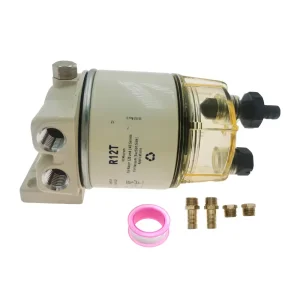
For marine and diesel truck applications, water contamination is the leading cause of fuel injector failure. Our R12t Fuel Water Separator Assembly provides a robust housing solution that facilitates efficient gravity separation and easy drainage.
View R12t Details →While traditional aluminum die-cast housings remain popular for their heat dissipation, there is a growing trend toward reinforced engineering plastics (like PA66-GF30) to reduce weight and production costs without sacrificing structural rigidity.
Modern procurement requirements increasingly specify housings with built-in electronic monitoring ports. These sensors provide real-time data to the engine control unit (ECU), notifying operators of required maintenance before a breakdown occurs.
As the world transitions to renewable energy, fuel systems must handle bio-diesel blends. This requires specialized gaskets and internal coatings within the filter housing to prevent chemical degradation and "gumming."
For international buyers, sourcing from a reliable China Fuel Filter Housing Manufacturer is a strategic move to balance cost and quality. However, localization is key. A housing designed for the European market may need modifications for the high-sulfur fuel often found in Southeast Asia or the sub-zero temperatures of Canadian winters (where integrated fuel heaters become essential).
B2B buyers—ranging from large-scale OEMs to regional distributors—look for "Lifecycle Cost" rather than just "Purchase Price." This includes the ease of filter element replacement, the availability of spare parts (gaskets, bowls), and the manufacturer's ability to provide technical documentation such as flow rate curves and pressure burst test reports.
The PU1059X series represents our commitment to precision engineering. Designed for MAN trucks and heavy diesel engines, this housing ensures that even under high vibrations, the fuel flow remains laminar and clean.
Learn More about PU1059X →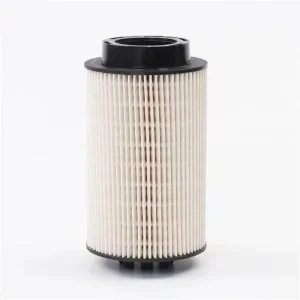
As a leading manufacturer based in the heart of China's automotive industrial zone, we bridge the gap between high-end OEM specifications and cost-efficient production. Our competitive edge is built on four pillars:
Our fuel filter housings are widely used across diverse sectors:
Construction and Mining: In these sectors, equipment like excavators and bulldozers operate in dusty, high-vibration environments. Our housings are reinforced to prevent cracking and use high-grade sealing components to keep contaminants out.
Marine Industry: Saltwater corrosion is the enemy. We utilize anodized aluminum and stainless-steel fittings to ensure that our filter assemblies last in maritime conditions, serving as critical components for both propulsion engines and auxiliary generators.
Agriculture: Modern tractors and harvesters require clean fuel to maintain fuel efficiency. Our cost-effective aftermarket housings help farmers maintain their equipment without the high markup of local dealerships.
OEM / Aftermarket Parts
One place for engine and heavy equipment components—fast quoting, verified quality, global shipping.
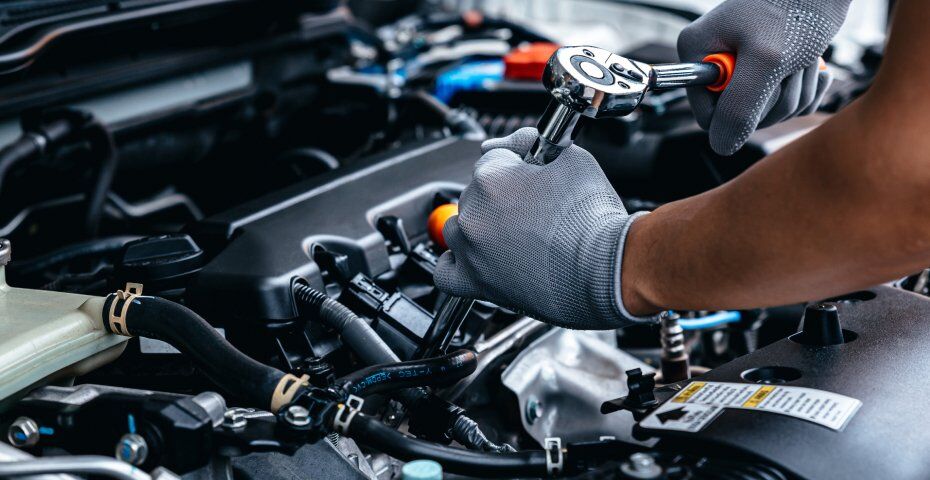
Designed for B2B buyers: we address delivery, quality, cost, and engineering support to establish trust quickly.
ISO system, batch traceability, inbound sampling—stable and consistent quality.
Core SKUs in safety stock, rush handling for urgent POs, flexible global logistics.
10+ senior engineers; match by model/SN/photos for high accuracy.
DDP/FOB/EXW; complete customs and compliance documents.
On-time Delivery
Repeat Purchase
QC Pass Rate
Countries Served
Equipped with state-of-the-art CNC machining centers, robotic automation, and precision testing systems, our factories deliver consistent, high-quality output at scale. Every process— from forging and heat treatment to assembly and final inspection— is guided by strict IATF16949 and ISO9001 quality standards. Our experienced engineering team ensures that each component not only meets but exceeds international OEM requirements for performance and durability.
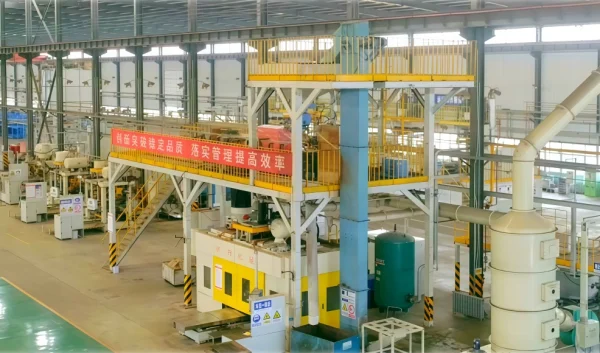
Gravity Casting Line: Advanced foundry ensures reliable OEM and aftermarket supply.
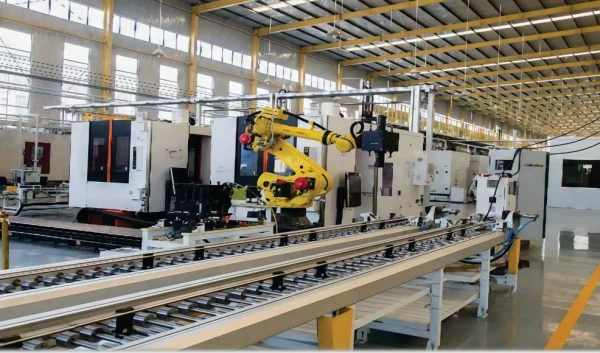
Intelligent Machining: 30 production lines with 1,000+ CNC centers.
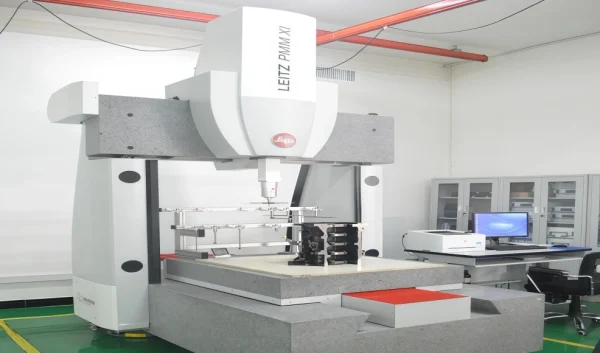
Precision Measurement: LEITZ CMM and SPECTRO analyzers for global standards.
To understand the importance of the Fuel Filter Housing, one must look at the evolution of fuel injection technology. Early diesel engines utilized low-pressure mechanical injection, which was relatively tolerant of small amounts of dirt or water. However, the advent of Common Rail Diesel (CRD) systems has changed the requirements entirely. Modern injectors operate at pressures exceeding 2,000 bar (29,000 psi) with nozzle orifices measured in microns. In this environment, even a microscopic particle or a tiny droplet of water can cause catastrophic erosion, leading to engine misfires, increased emissions, and total system failure.
The housing serves as the structural foundation of the filtration system. It must withstand pulsating pressures and the physical "hammering" effect of fuel delivery. If a housing is poorly cast or machined, it can develop hairline fractures that lead to fuel leaks—a major fire hazard in industrial settings. Our factory utilizes high-vacuum die-casting techniques to ensure that there is no porosity in the metal, providing a dense, strong structure that can handle years of abuse.
Choosing the right material for a fuel filter housing is a balance of weight, thermal conductivity, and chemical resistance. Aluminum Alloy (ADC12/A380): This is the industry standard for medium and heavy-duty applications. It offers excellent strength-to-weight ratios and naturally dissipates heat, which helps in preventing fuel from reaching excessively high temperatures before entering the engine. Engineering Polymers: For automotive and light commercial applications, we offer glass-fiber reinforced plastics. These are immune to corrosion—a significant advantage in marine or highly humid coastal environments.
In the global B2B market, "one size fits all" rarely applies. We offer full OEM/ODM services. Our engineering team, supported by the latest CAD and CFD (Computational Fluid Dynamics) software, can analyze the flow path within a housing to minimize pressure drop. A lower pressure drop across the filter means the fuel pump doesn't have to work as hard, slightly improving the overall fuel economy of the vehicle. This level of detail is why industry leaders trust us for their spare part supplies.
Furthermore, for regions with extreme climates, we can integrate high-efficiency heating elements into the housing design. In Siberian or Scandinavian winters, diesel fuel can "wax" or gel, clogging the filter and stalling the engine. Our heated housing assemblies prevent this by keeping the fuel above the cloud point, ensuring a smooth start even in -40°C temperatures.