Dominion Parts
Dominion Parts
Dominion Parts
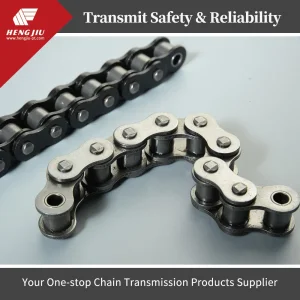
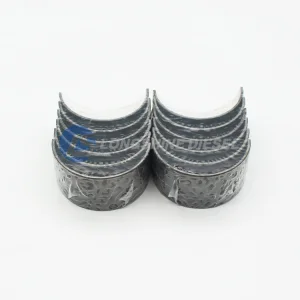
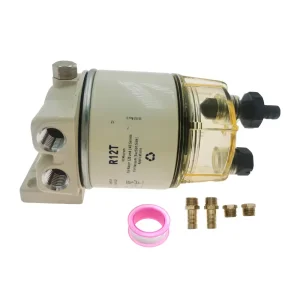
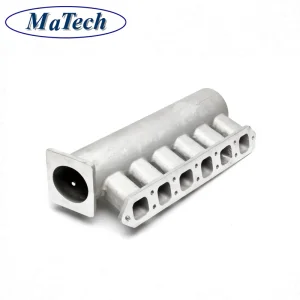
Explore our latest precision components engineered for reliable powertrain and fluid storage system operations.
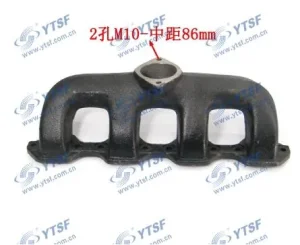
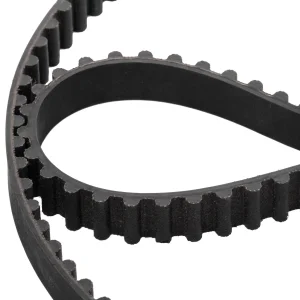
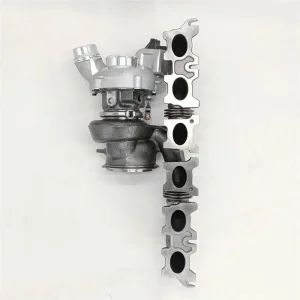
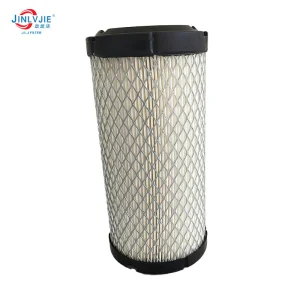
OEM / Aftermarket Parts
One place for engine and heavy equipment components—fast quoting, verified quality, and global shipping compliance. We streamline procurement for logistics networks, OEM assembly plants, and tier-1 fleet service depots.
Designed for B2B buyers: we address delivery, quality, cost, and engineering support to establish trust quickly.
Strict ISO system implementation, full batch traceability, and rigid inbound sampling to guarantee stable and consistent quality across all production lines.
Core SKUs maintained in our permanent safety stock, facilitating expedited handling for urgent POs and highly flexible global logistics solutions.
10+ senior automotive and structural engineers matching replacement parts precisely by model, serial numbers (SN), or engineering drawings.
Flexible commercial terms including DDP, FOB, and EXW, complete with fully compliant customs declarations and detailed country-of-origin documentation.
Fully certified under ISO 9001 and CE frameworks. Proven deployment track records across demanding sectors like mining, civil construction, and port machinery.
Delivering OEM-level manufacturing precision and mechanical reliability while aggressively optimizing your Total Cost of Ownership (TCO).
* Brand names and OEM part references are used for cross-reference purposes only and do not imply direct endorsement.
Comprehensive parts integration for high-performance combustion systems, generators, and heavy-duty vehicles.

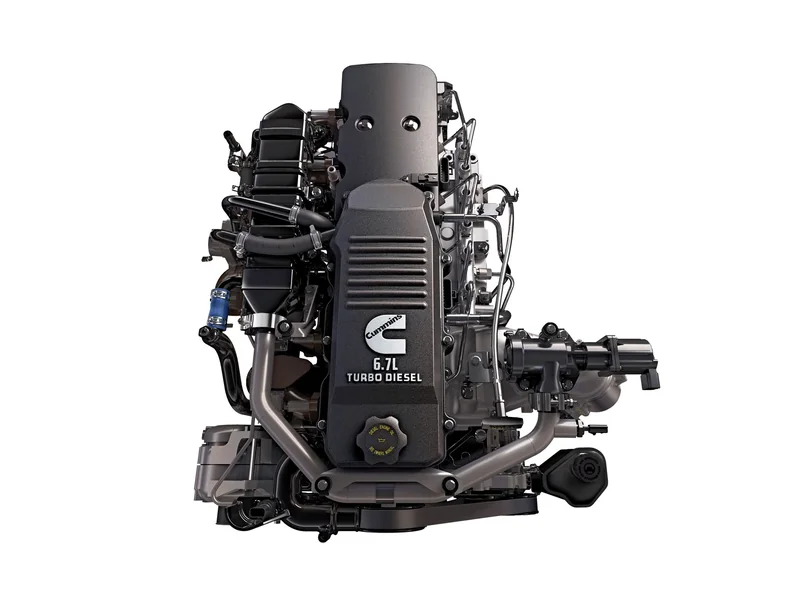
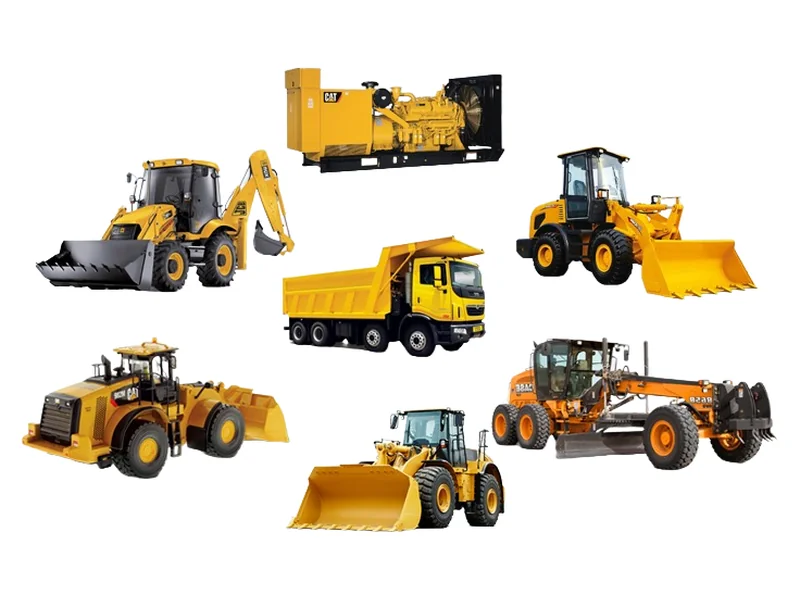
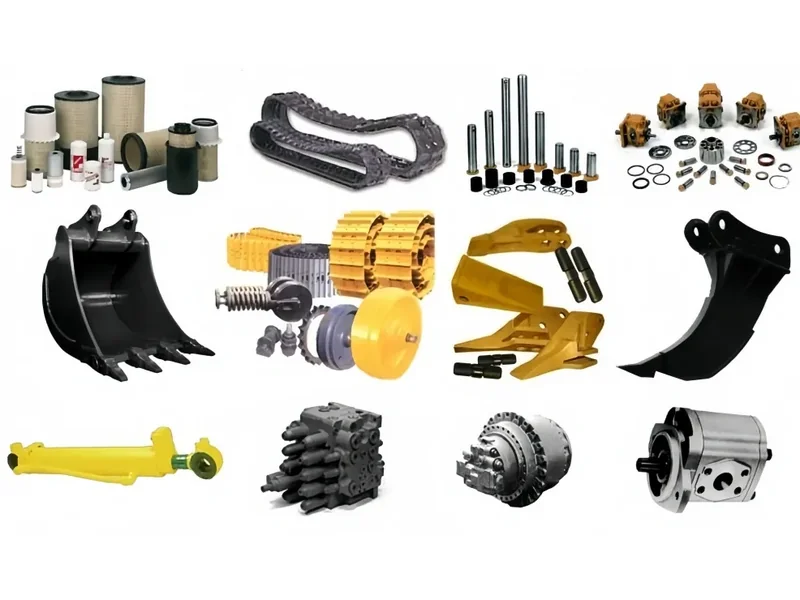

Equipped with state-of-the-art CNC machining centers, robotic automation, and precision testing systems, our factories deliver consistent, high-quality output at scale.
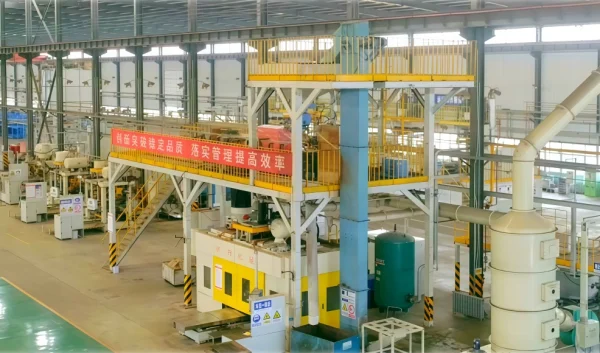
Advanced foundry featuring Germany KW sand molding, low/high-pressure casting, and gravity casting lines. Annual capacity exceeds one million cylinder blocks, heads, and heavy industrial fluid tubes, ensuring a reliable OEM and aftermarket pipeline.
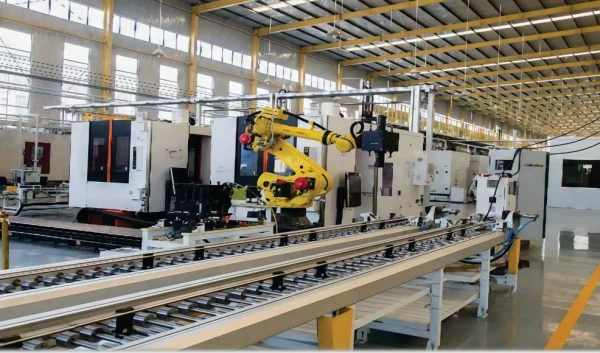
30 advanced production lines integrated with 1,000+ CNC centers, specialized honing gear, and robotic assembly arms. Delivers micrometer-grade dimensional accuracy for engine blocks, crankcases, and complex metal alloy assemblies.
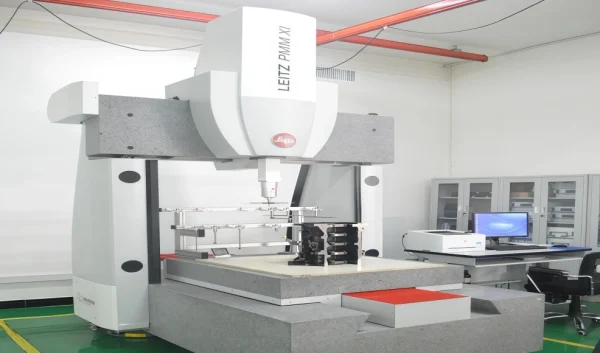
Equipped with industry-leading German LEITZ CMM (Coordinate Measuring Machines), SPECTRO chemical composition analyzers, Talyrond profile meters, Hommel surface testers, and VDA 6.3 audit-ready inspection laboratories.
The modern automotive and heavy industrial sectors are navigating an era of unprecedented regulatory pressure and performance requirements. As simple as it may appear on the surface, the fuel filler neck is a critical engineering component. It functions not only as the intake conduit for chemical energy but also as the primary safety barrier for emission containment, pressure control, and evaporative prevention.
Regulatory frameworks worldwide are pushing the boundaries of fuel system design. In North America, the EPA and CARB LEV III/IV standards require near-zero evaporative emissions. Meanwhile, Euro 6d and the upcoming Euro 7 specifications mandate strict On-Board Refueling Vapor Recovery (ORVR) systems.
Industrial and heavy construction fleets are facing similar decarbonization pathways. The adoption of Biodiesel blends (up to B100), E85 ethanol, and synthetic e-fuels requires materials that exhibit excellent chemical compatibility. Mild steel fuel filler pipes are rapidly being phased out due to internal corrosion issues caused by water condensation and alcohol-based fuels. Modern factories must transition to treated stainless steels (e.g., SUS304, SUS409L) or high-grade aluminized carbon steels that resist galvanic corrosion and chemical degradation.
Our manufacturing processes for Fuel Filler Necks rely heavily on advanced CNC pipe bending, robotic TIG/MIG welding, and automated end-forming. Achieving the complex geometries needed to clear structural chassis components without reducing fuel flow rate requires precision engineering.
During CNC bending, maintaining wall thickness consistency is paramount to prevent pressure ruptures during vehicle crash impacts. Our processes utilize Mandrel Bending systems that prevent wrinkling and ovalization of the tube. Welded joints—specifically the interfaces connecting the main neck filler, the breather tube, and the mounting bracket—undergo 100% automated visual and pressure-decay leakage testing.
The Integration of the Roll-over Valve (ROV) and the Inlet Check Valve (ICV) within the fuel filler neck design is vital. The ROV prevents fuel leakage in case of vehicle rollover, satisfying strict safety mandates. The ICV operates as a one-way check valve, allowing fuel entry during refueling while blocking fuel spit-back when the tank reaches maximum capacity.
Furthermore, ORVR-compliant fuel filler necks feature restricted fuel fill limit vent systems. This configuration creates a vapor seal during fuel insertion, forcing refueling vapors to flow directly into the active carbon canister rather than escaping into the atmosphere. This technological integration is standard across our custom OEM designs.
To achieve our 99% QC Pass Rate, every production batch goes through rigorous environmental and structural validations. Our metrology labs utilize German LEITZ CMM to verify mechanical tolerances to within ±0.05mm.
Corrosion resistance is validated via Neutral Salt Spray (NSS) testing exceeding 1,000 hours. The mechanical durability of the fuel filler cap threading is stress-tested over 10,000 insertion cycles. Additionally, helium leak detection systems are employed to catch micro-porosities in cast metals or welds, ensuring zero-emission compliance.
How we bridge engineering complexity, international customs compliance, and direct factory execution.
We do not just manufacture; we co-design. Our engineers utilize Finite Element Analysis (FEA) to simulate installation stress, vibration, and impact loads, optimizing the mechanical structures before physical tooling begins.
Customs barriers can stall production lines. We compile all required documentation, including Certificate of Origin, REACH/RoHS declaration sheets, and IMDS (International Material Data System) registrations.
Modern hybrid electric vehicles (HEVs) run their combustion engines intermittently, resulting in prolonged fuel storage and increased vapor pressure. We develop high-pressure sealed fuel filler necks tailored for HEVs.
Anticipating the demands of zero-emission fleets, smart hydrogen transport systems, and lightweight carbon composites.
To achieve lightweight targets without compromising barrier efficiency, we are researching and co-developing multilayer co-extruded fuel filler pipe assemblies. By integrating Fluoropolymer linings (ETFE/THV) with structural HDPE Outer jackets, we achieve 40% weight reductions compared to stainless steel while maintaining zero fuel permeation.
Integration of RFID/NFC fuel cap detection and integrated fuel-quality sensors within the neck body. This ensures that only compatible fuels (such as low-sulfur diesel or bio-mixtures) are dispensed, transmitting real-time validation data to the vehicle's ECU.
As the heavy transit sector migrates toward fuel-cell electric powertrains, we are prototyping high-pressure (350 bar / 700 bar) hydrogen refueling receptacles. These systems incorporate advanced electromagnetic shielding, integrated grounding structures to dissipate electrostatic charges, and cryo-resilient sealing interfaces.
Expert answers addressing high-volume industrial purchases, engineering capability, and manufacturing parameters.
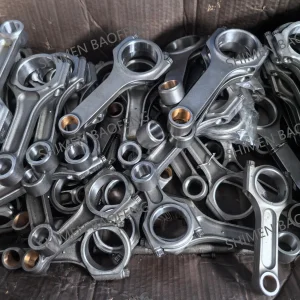
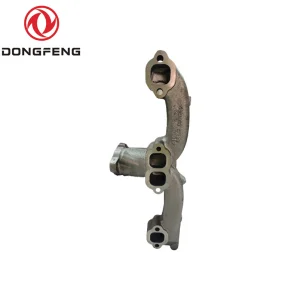
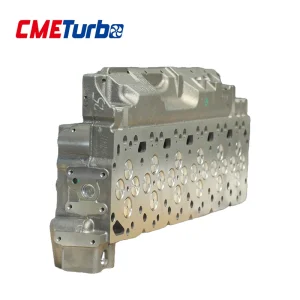
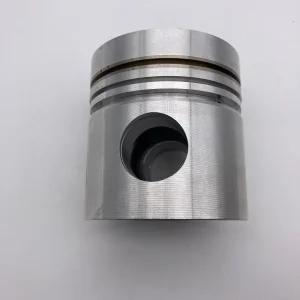
Explore our expanded inventory of heavy-duty replacement engine, filtration, and exhaust components.
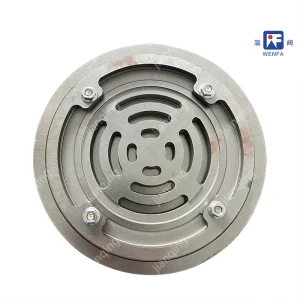
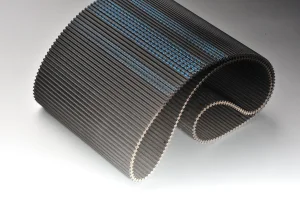
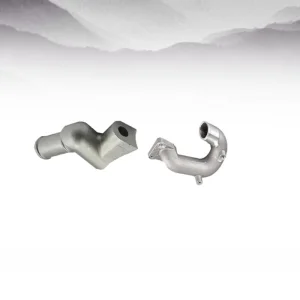
Get connected directly to our engineering division and B2B pricing desk.