Dominion Parts
Dominion Parts
Dominion Parts
Direct factory supply featuring precision manufacturing, dimensional verification, and high wear resistance.
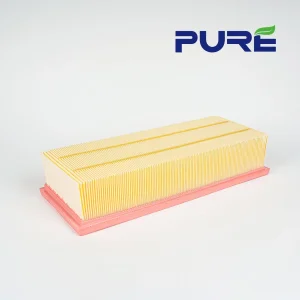
In the global automotive supply chain, sourcing heavy-duty, high-performance brake calipers requires balancing strict metallurgical specifications, sealing tolerances, and supply chain logistics. Original Equipment Manufacturers (OEMs) and aftermarket distributors face constant pressure to minimize the Total Cost of Ownership (TCO) while upholding life-critical safety regulations. When selecting a brake caliper manufacturer, procurement teams must go beyond looking at cost-per-unit; they must audit the foundry's casting control, machining tolerance precision, and compliance structures.
A premier caliper manufacturer must demonstrate structural fatigue limits exceeding 1,000,000 pressure cycles at maximum hydraulic ratings, alongside proven salt-spray corrosion resistance (ISO 9227) of 72 hours minimum for standard coatings, and 240+ hours for high-performance zinc-nickel coatings.
Brake calipers operate under extreme thermo-mechanical stress. Thermal dissipation efficiency and deformation under pressure (caliper deflection) directly impact vehicle stopping distances and braking feel. The industry is currently shifting toward lighter-weight materials, notably high-strength aluminum alloys for passenger vehicles and optimized ductile cast iron (such as QT450-10 or GGG50) for heavy-duty applications. A supplier’s capacity to handle gravity casting, squeeze casting, and high-precision CNC machining determines their standing in the global market.
Over 30 years of OEM-level component manufacturing, precision-engineered solutions, and full logistics integration.
Full IATF 16949 & ISO 9001 compliance. We enforce raw material chemical verification, ultrasonic defect detection, and batch-level serialization tracking.
We hold robust safety stock for high-demand caliper, cylinder head, and engine parts, enabling rapid response to urgent purchase orders.
Our engineering team matches parts using OEM cross-references, structural blueprints, and 3D CAD modeling to eliminate installation errors.
We supply DDP, FOB, or EXW shipments with complete customs filings, ECE R90 test reports, and environmental documentation (REACH/RoHS).
Built to perform in harsh environments, from off-road mining applications to high-frequency urban commercial fleets.
OEM-grade materials reduce assembly replacement rates, providing fleet operators and distributors with lower overall maintenance costs.
Brake caliper engineering diverges significantly based on the target vehicle market. Sourcing managers must understand these engineering profiles to align their orders with exact real-world demands:
With electric vehicles (EVs), weight reduction is a primary focus for expanding battery range. Aluminum monoblock and sliding calipers help minimize unsprung weight. Furthermore, EV brake systems require low-drag calipers. Because regenerative braking handles most deceleration, the physical pads and calipers sit idle for longer stretches, making them susceptible to corrosion. Low-drag calipers use specialized piston seals that pull the brake pads back from the rotor as soon as hydraulic pressure drops, preventing minor friction losses and rust buildup.
For commercial logistics, uptime is the key metric. Caliper bodies must be cast from high-ductility cast iron to prevent structural failure under load. These systems run hot, often reaching over 600°C under heavy braking. Supplying piston boots made from premium silicone or high-grade EPDM (Ethylene Propylene Diene Monomer) is essential. These materials resist degradation from brake fluid (DOT 3, DOT 4, and DOT 5.1) and keep dirt and water away from the pistons.
We utilize advanced EPDM compounds characterized by low swelling rates (<5% when exposed to glycol-ether brake fluids at 120°C for 70 hours) and exceptional elasticity retention, ensuring zero fluid bypass at working pressures up to 16 MPa.
Industrial brake calipers used in mining dump trucks, container handlers, and excavation systems operate in environments laden with abrasive dust, rock impacts, and corrosive runoff. Standard caliper housings quickly fail under these conditions. Solutions here require multi-piston fixed calipers treated with heavy anti-corrosion finishes, alongside custom scraping rings that clean the pistons during retraction.
Explore our specialized heavy machinery and drivetrain components engineered to OEM specifications.

Complete assemblies of pistons, rings, valves, and turbocharger sub-systems.
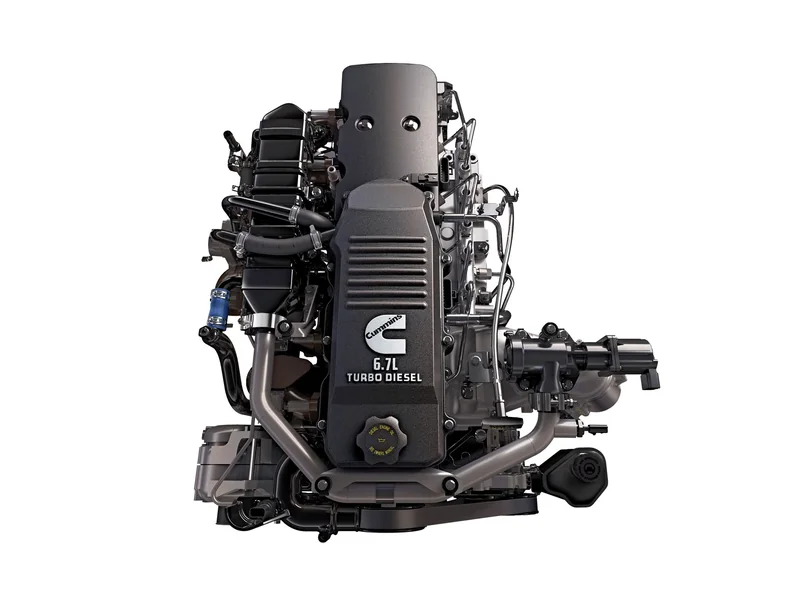
Complete heavy-duty power generator sets and industrial core replacement units.
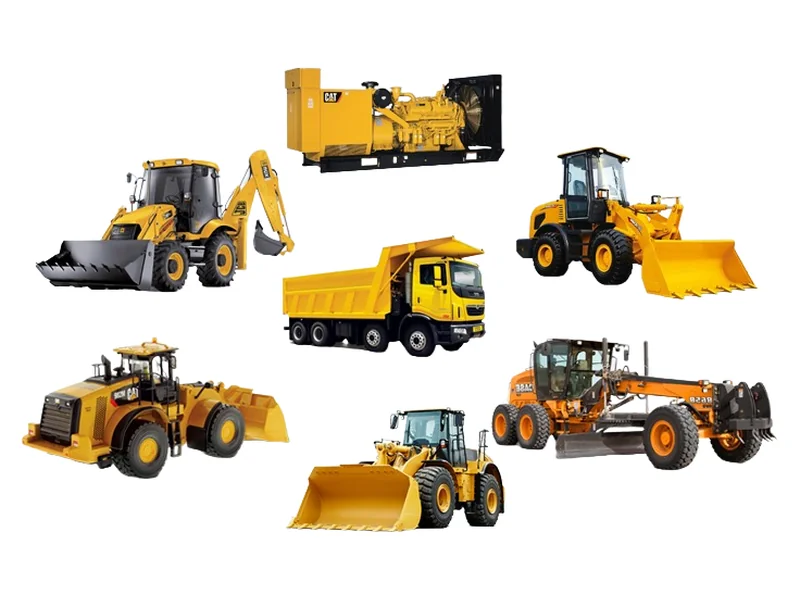
Excavation, port cranes, road building, and primary earthmoving vehicles.
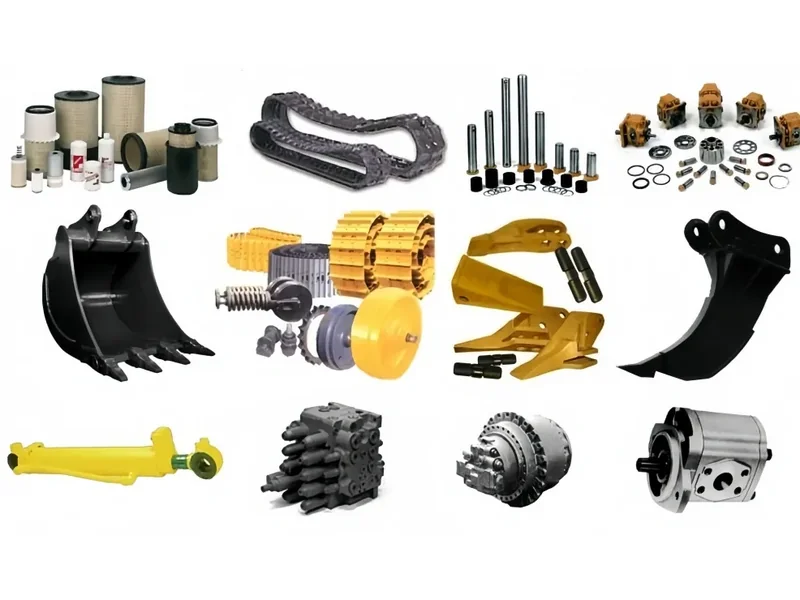
Durable track links, undercarriage rollers, and hydraulic cylinders for severe duties.

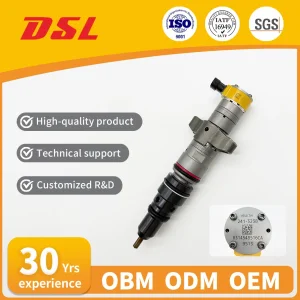
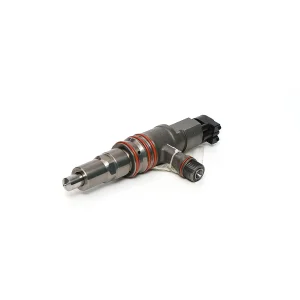
High-pressure common rail fuel injectors, pumps, and engine control nozzles.
Equipped with German CNC machining centers, automated robotic lines, and precise calibration testing systems.
Our casting foundry features automated molding machinery alongside low-pressure and gravity casting lines. With an annual capacity of over one million castings, we ensure structural integrity from the start. Advanced degassing treatments and spectrum analysis prevent porosity, guaranteeing raw caliper castings can handle intense pressure spikes.
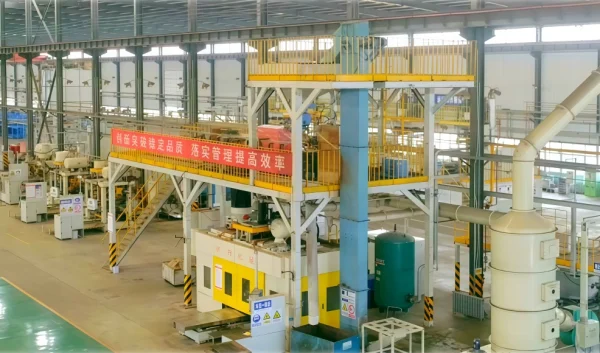
Precision machining is critical for caliper performance. We utilize 30 intelligent CNC lines with automated robotic loaders. Piston bores are machined to tolerances within 5 microns, ensuring a perfect seal interface. This level of precision prevents piston binding, fluid leaks, and uneven brake pad wear.
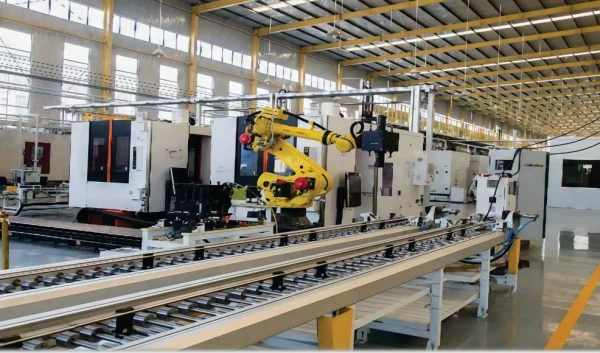
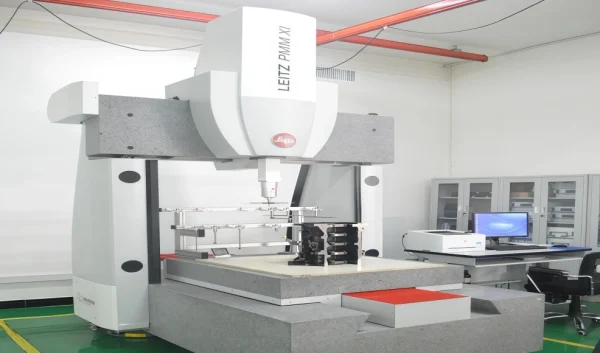
Quality control is fully documented in our metrology lab. Using German Leitz CMM coordinate measuring machines, Taylor Hobson roundness testers, and Hommel surface profilers, we verify that every caliper housing matches its structural drawing specifications before assembly.
The global automotive sector is undergoing a rapid transition toward electric powertrains and software-defined chassis. This evolution directly changes the role of brake calipers. In conventional vehicles, calipers act as hydraulic pressure receivers. In next-generation vehicles, they are becoming active components of electronic systems.
Brake-by-wire replaces mechanical and hydraulic linkages with electronic actuators. This shift enables dry calipers (electro-mechanical brakes) that use a compact electric motor directly mounted to the caliper body to move the piston. This design eliminates hydraulic fluid entirely, simplifies assembly, and reduces vehicle weight.
Dry calipers require highly reliable ball screw actuators and electric motors capable of delivering clamping forces up to 30 kN in under 100 milliseconds, operating reliably from -40°C to 150°C.
Drag torque—the residual friction between the brake pads and the rotor when the pedal is released—wastes energy. For combustion vehicles, this means higher emissions; for EVs, it reduces battery range. Manufacturers are refining caliper seal profiles and incorporating active pad retraction springs to keep drag levels below 0.5 Nm per wheel.
Under environmental regulations like REACH and RoHS, traditional hexavalent chromium coatings are banned. Suppliers must transition to eco-friendly zinc-nickel electroplating or thin-film organic protective finishes. These newer options offer excellent salt-spray corrosion protection without relying on hazardous heavy metals.
Operating a global automotive or industrial aftermarket company requires navigating local regulatory standards and shipping logistics. Working with a supplier that understands these regional compliance demands prevents customs delays and import penalties.
Products destined for North America must meet FMVSS 105 and FMVSS 121 requirements. Testing focuses on structural integrity under high pressure and thermal cycling. Structural parts are designed according to SAE J434 ductile iron standards.
The European aftermarket requires ECE R90 certification for brake assemblies. This standard ensures replacement parts perform within 15% of the original equipment. Additionally, German OEMs require auditing in line with VDA 6.3 production quality standards.
For logistics, leading manufacturers offer flexible freight options, including FOB shipping, DDP delivery (with duties paid directly to the destination warehouse), and EXW warehouse pickup. Regional distribution hubs and safety stock agreements (VMI) help protect buyers against maritime shipping delays and raw material price volatility.
Direct OEM replacements and severe-duty fluid transfer assemblies engineered for reliable operation.
Request a quotation on custom casting runs, direct replacement orders, or customized packaging options. Our engineering division will follow up with complete pricing and delivery solutions.